
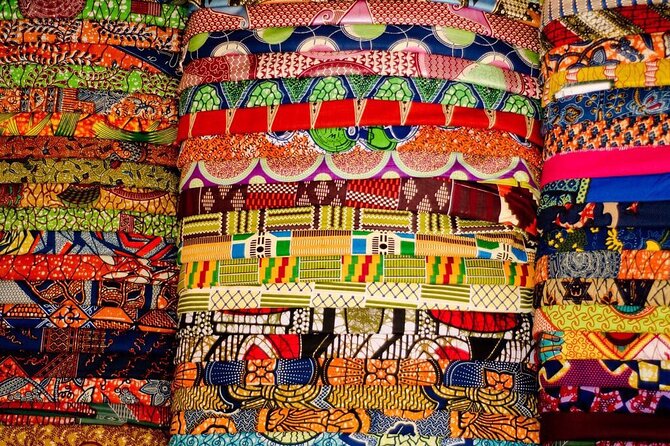
Reviewed · ASHANTI REGION TOURS
Kumasi Culture and Heritage Tours
Kumasi Culture and Heritage Tours is interesting because it turns Ghana craft traditions into a hands-on day, not a quick photo stop. You get Ntonso Adinkra stamping plus a kente weaving stop that helps you understand what the patterns mean and where the tradition begins.
I love that it is built around practical learning, like watching symbols being made and then trying the stamping process yourself. I also like that the day is handled for you, with an air-conditioned vehicle, lunch, and bottled water included. One possible drawback is the tour can run outdoors, so you will want to plan for heat and sun, and the operator notes it needs good weather.
Key things I’d put on your radar
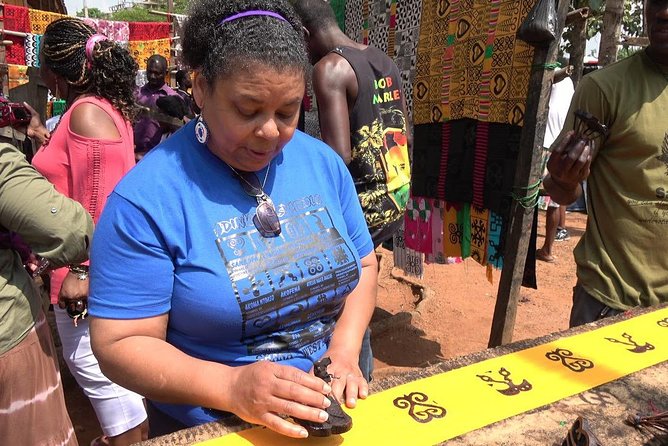
- Hands-on Adinkra stamping at Ntonso, including making sense of symbol meanings
- Buddy tree dye process and choosing your own colour before you stamp fabric
- Kente weaving experience, with time to learn how the cloth is made and why designs matter
- Fare well / goodbye symbolism in Adinkra, tied to how people mark the dead
- Lunch plus drinks so you are not hunting for food mid-day
- Private, group-only tour with pickup from a central meeting point in Kumasi
A 6 hour Kumasi heritage day built around Adinkra and kente
This is a craft-focused Kumasi day that helps you connect two of Ghana’s most recognizable traditions: Adinkra symbols and kente cloth. The format is simple. You ride in an air-conditioned vehicle, visit key stops around Kumasi, and spend enough time at the workshops to actually do something, not just watch from the sidelines.
The tour runs about 6 hours and starts at 9:30 am. That timing matters. You get to do the main activities before the late-afternoon heat, and you still finish back at the same starting point in Kumasi.
I also like the price structure for a cultural day like this. At $140 per person, you are not just paying for a guide, you are covering entry fees and a day package that includes lunch, bottled water, and drinks. It is the kind of day where you feel the value most if you plan to buy a few craft items or you want that workshop time.
More of the Ashanti region:
- Bonwire Namimg Ceremony and Kente Tourist Center
★ 5.0 · 40 reviews - Tour Kumasi City Like a Local
★ 4.5 · 34 reviews - Traditional naming ceremony For African Diasporas in Kumasi
★ 5.0 · 10 reviews
Getting picked up in Kumasi: where to start and what the schedule feels like
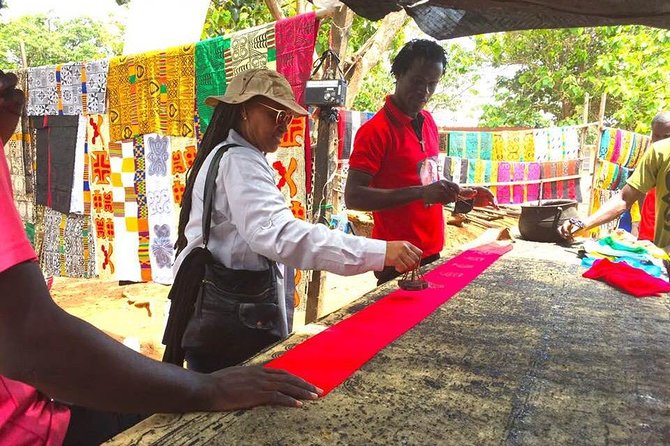
The tour begins at Lancaster Kumasi CityRain Tree St, Lesley Opoku-Ware Drive, Kumasi, Ghana, and it returns you to that same spot. If you like a clean start and finish, this helps. No second guessing neighborhoods, no long taxi negotiations at the end of your day.
Pickup is offered, and because you are in an air-conditioned vehicle, you are not baking between stops. That is a big deal on a half-day heritage program in Ghana, where you can lose energy fast if you are moving around by foot or in an overly warm car.
Pacing is the other thing to understand. This is not a “slow walk through a museum” experience. Expect a guided flow with a bit of waiting time, short transitions, and then focused time at the workshops. If you do well with that structure, you will enjoy the day. If you prefer totally free time, you might feel slightly scheduled.
Ntonso Adinkra stamping village: symbols, dye, and your turn to stamp
The heart of the day is the Ntonso Adinkra stamping village. This is where you go to understand the meaning behind the symbols, then get practical with the art. The experience is framed as culture and heritage, but it stays very real, because you see how the materials are handled and you learn what each step is for.
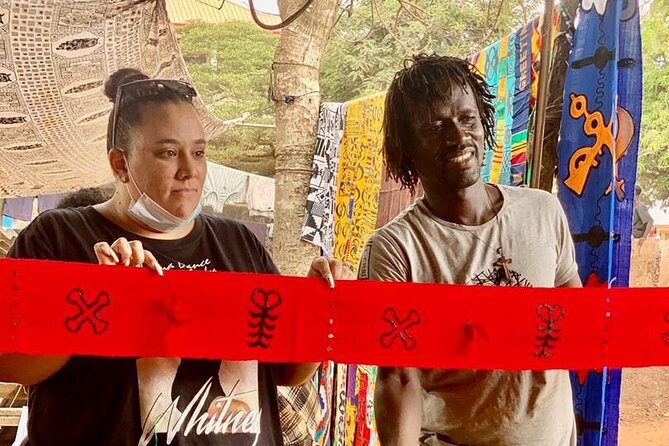
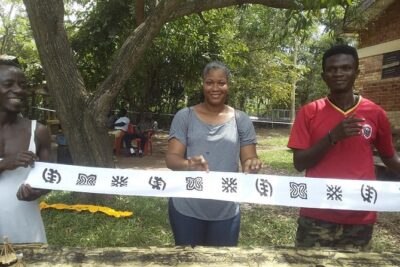
At the village, you learn about Adinkra as message-making. Symbols are not just decoration, they carry stories, wisdom, and emotional meanings. You also see how Adinkra work is made locally from scratch, including the connection between the stamping art and the dye process.
One part I would not skip, because it makes the whole workshop click, is the buddy tree into dye work. You hear the story of how the dye is created, and then you tie that knowledge to what happens next, stamping patterns onto fabric.
Then comes the fun part: you get to choose your favourite colour of textile and stamp like a local. This is exactly the kind of activity that turns a cultural lesson into something you can remember with your hands, not just in your photos.
What to watch for while you are there
- Symbol meanings, especially how they connect to grief and farewell
- Stamping technique, because it affects the final look of the design
- Colour choice, since different dyes change the character of the stamped pattern
A few more Kumasi days to weigh up
- Experience the Beauty, History and the Culture Of Accra in a Day
★ 5.0 · 323 reviews - Ghana Heritage Tours – Beyond The Return
★ 5.0 · 36 reviews - 10 Days Ghana Cultural and Heritage Trip
★ 5.0 · 31 reviews - Cape Coast Historical Day Tour
★ 5.0 · 24 reviews
The meaning behind Adinkra symbols: farewell good bye and the messages people carry
You do not just get shown symbols. You learn what they mean and why they matter. One of the most specific ideas in the day is the fare well / good bye symbolism. You hear how those symbols can appear carved on furniture and buildings, and how they show up in pottery and painted works too.
The key point is the function of symbolism. Adinkra marks are used to communicate with the living and honour the dead. That is why you see the connection to sorrow and why the symbols can act as a kind of farewell message.
If you are the type of traveler who likes context, this part is the payoff. You start noticing symbols as language, not just style. That makes it easier later when you are out shopping in Kumasi and you can recognize patterns by theme instead of treating everything as random design.
Also, the guide’s role matters here. You benefit from a person walking you through the meanings as you watch the stamping process. It would be easy to miss that message detail if you were there alone.
Kente weaving in Kumasi: learn the cloth story and try weaving-style moments
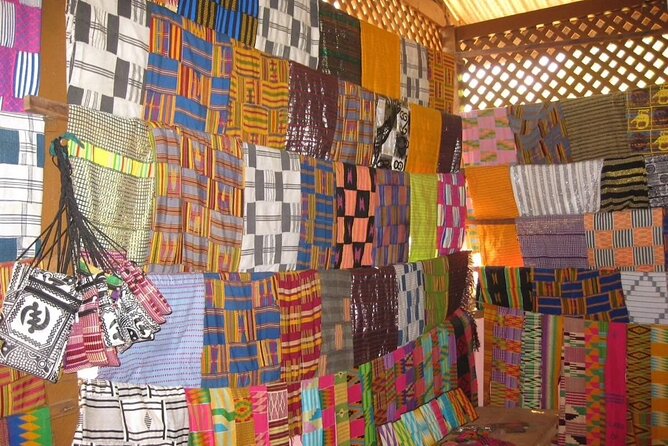
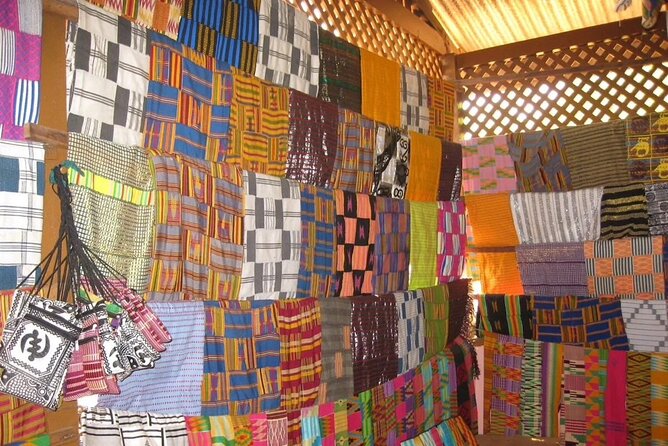
The tour also takes you to the place where kente weaving began in Kumasi, and it is designed to teach you what you are seeing. Kente cloth is not just woven, it is designed. Patterns often communicate status, identity, and values, and learning how that happens helps you read the fabric instead of just admiring the colours.
From the way the day is described, you get more than a look. You get a kente weaving experience, with time to learn how the fabric is made and then try activities tied to weaving. In one highlight, the experience includes learning about a pattern called the spider web, and getting a clear sense of how design details can stand on their own.
There is also a practical learning angle here. If you have ever wondered why kente looks the way it does, this is where you start to understand the craft logic behind the finished cloth.
A quick reality check about kente shopping
You will likely want kente at the end of a day like this, because you finally understand what you are buying. Just remember: the day includes entry, lunch, and the tour, but buying items is not included. So bring enough cash or a plan for payments if you want to take home cloth or Adinkra-related artwork.
Museums, markets, and craft context in Kumasi
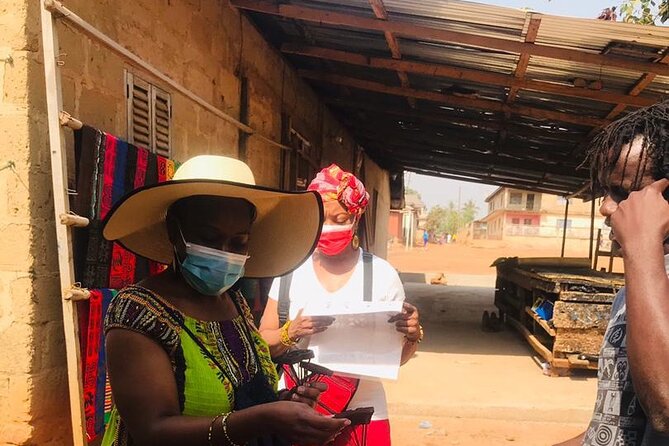
This tour is not only workshops. It is also a guided look at museums and markets in Kumasi that connect the crafts to daily life. That matters because Adinkra symbols and kente weaving are not just tourist products. They show up in how people decorate, celebrate, remember, and communicate.
The way the day is framed focuses on cultural pastimes and craft traditions. You see the city through the lens of textile work and symbol art. It is a smart approach, because it gives you a story arc that follows you from workshop to shop to memory.
If you are thinking about authenticity, this is where you can tell the difference between a generic cultural day and a craft-focused one. You are not just moving from one stop to another. You are learning why these symbols and textiles matter, then you get to see them represented in places where locals interact with them.
Lunch, drinks, and what the $140 really buys you

Let’s talk value, because this tour is priced like a small package deal, not like a cheap transfer with a guide. At $140 per person, you are paying for:
- Air-conditioned vehicle
- Entrance fees
- Lunch
- Bottled water
- Drinks
- Tour guide service
That is why it can feel like a fair deal. In many cities, the minute you add up guide time, transport, entry fees, and a decent meal, the total climbs. Here, the structure is built to keep you from spending the whole day calculating costs.
The “what is not included” part is also important. Buying your own item is separate. So if you want souvenirs, you should plan for that budget on top.
Also, since lunch and water are included, you do not need to interrupt the day with errands. That makes the schedule smoother, especially if you are coming in from elsewhere or you are not sure where to eat nearby.
Private tour with Bilson Tours GH: who it suits best
This is a private tour, meaning only your group participates. That helps if you want more interaction, more questions, and less crowd-pressure during hands-on activities.
The tour is offered by Bilson Tours GH, and one of the highlights from the experience is the guidance style. The name Bilson shows up in the descriptions as caring and helpful. You feel it when the workshop becomes more than a demonstration, because you get explanations that match what you are doing.
This tour is a great fit if you:
- Want cultural meaning, not just visual impressions
- Enjoy hands-on learning, especially crafts
- Like tours where a guide gives context you can use later while shopping
- Prefer a private, paced day rather than a packed bus group
It might be less ideal if you hate workshops. If you want only quiet museum time, you may find the practical crafting focus a bit intense. But if you enjoy making things and learning why symbols mean what they mean, you will probably love it.
What to bring so the day stays comfortable
The tour runs about half a day and includes workshop time, likely outdoors at least part of it. You will enjoy it more if you show up prepared for warmth and sun.
Bring:
- Comfortable closed shoes for walking around
- A hat or sun protection
- A reusable water bottle if you like, even though bottled water is provided
- A small amount of cash or payment plan for purchases, since items are not included
If you are sensitive to heat, plan for the possibility that parts of the day can be outdoors. The operator also flags that the experience needs good weather, which is another reason to dress for comfort.
Should you book Kumasi Culture and Heritage Tours?
I would book this tour if your goal is to understand Kumasi through Adinkra meaning and kente making, and to leave with more than photos. The biggest reason is the hands-on component: you choose colours, you stamp, and you learn the logic behind the symbols, including the very specific farewell good bye theme tied to how people mark the dead.
You might skip it or choose a different style of tour if you want a mostly indoor program, or if you are only interested in casual sightseeing. This is a craft day with workshops, not a fast highlights reel.
If the price feels right, and you like structured learning with some personal practice, this is the kind of cultural tour that makes Kumasi stick with you long after the day ends.
FAQ
How long is Kumasi Culture and Heritage Tours?
The tour lasts about 6 hours.
What time does the tour start, and where is the meeting point?
It starts at 9:30 am. The meeting point is Lancaster Kumasi CityRain Tree St, Lesley Opoku-Ware Drive, Kumasi, Ghana.
Is pickup included and do you travel by air-conditioned vehicle?
Yes, pickup is offered, and the tour includes an air-conditioned vehicle.
What is the main activity at the Adinkra stamping village?
You explore the Ntonso Adinkra stamping village, learn about Adinkra symbols and their meanings, see how they are made locally, and you get to stamp like a local after choosing your favourite colour.
Is there a kente weaving component?
Yes. The tour includes a stop connected to where kente weaving began in Kumasi, with cultural learning about the fabric and weaving.
What is included in the tour price?
The price includes entrance fee, air-conditioned vehicle, lunch, bottled water, drinks, and tour guide service.
What happens if the weather is poor or I need to cancel?
The experience requires good weather. If it is canceled due to poor weather, you will be offered a different date or a full refund. You can cancel for a full refund up to 24 hours in advance.
Newly reviewed around Kumasi
- Discover kumasi Tours★ 5.0 · 3 reviews
- Kumasi City Tour★ 4.5 · 3 reviews
- Full Day Tour with Traditional Naming Ceremony in Kumasi★ 5.0 · 4 reviews
- Traditional Naming Ceremony For African Americans In Kumasi★ 5.0 · 5 reviews
- One day tour at Kumasi★ 5.0 · 6 reviews
- Lake Bosomtwe Boat Cruisely and Kumasi City Tours★ 4.5 · 6 reviews
- Kumasi City Tour★ 4.5 · 7 reviews
- Kumasi: City Tour★ 5.0 · 3 reviews
Ashanti Region Tours, compared.

Bonwire Namimg Ceremony and Kente Tourist Center
Read our review →
Kumasi Heritage Tours And Naming Ceremony In A Day
Read our review →
Traditional naming ceremony For African Diasporas in Kumasi
Read our review →
Full-Day Tour to Ashanti Region, Kumasi and Ghanaian History
Read our review →
Browse the lists this tour appears in