
Reviewed · GHANAIAN NAMING CEREMONIES
Traditional Naming Ceremony For African Americans In Kumasi
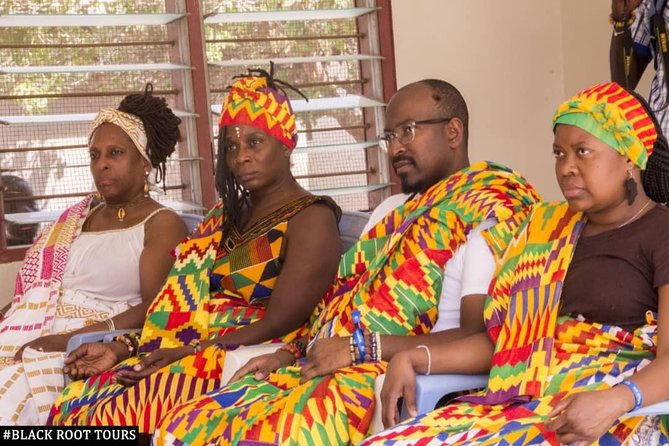
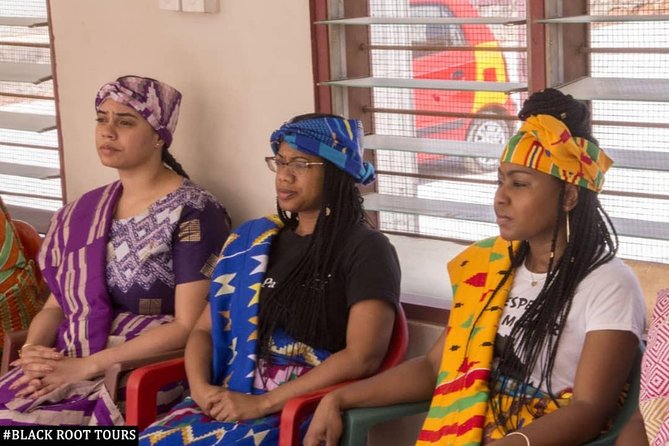
A traditional naming ceremony in Kumasi is interesting because it turns a personal milestone into a public, cultural moment. I like that you get a name chosen using the Asante tradition and the day you were born, and I also like that you leave with something tangible like a certificate and a woven kente script. One thing to keep in mind is that the village admission tickets for the craft stops are not included, so you may want to budget a bit extra.
You’ll also be in good hands with Maclean, who gets described as kind and patient, and who helps make an emotional experience feel respectful and organized. The private setup means you’re not squeezed into a crowd, and the 4-hour timing makes it realistic even if you have other plans in Ghana. If you’re the type who needs lots of free time to wander, this may feel a bit scheduled, but it’s paced well for first-timers.
Key Things to Know Before You Go
- Day-based Asante naming: your new name is selected based on the day you were born.
- Kente presentation and certificate: you’re given a woven kente script and a name certificate.
- Private group tour: only your group participates, with an air-conditioned vehicle.
- Two craft stops included: Ntonso Adinkra stamping and Adanwomase kente weaving plus cocoa farm time.
- Lunch is included: planned in, so you’re not hunting for food during the ceremony and village visits.
- Admission tickets not included: you may need to pay at the craft sites.
A Traditional Asante Naming Ceremony You Can Feel in Your Whole Day
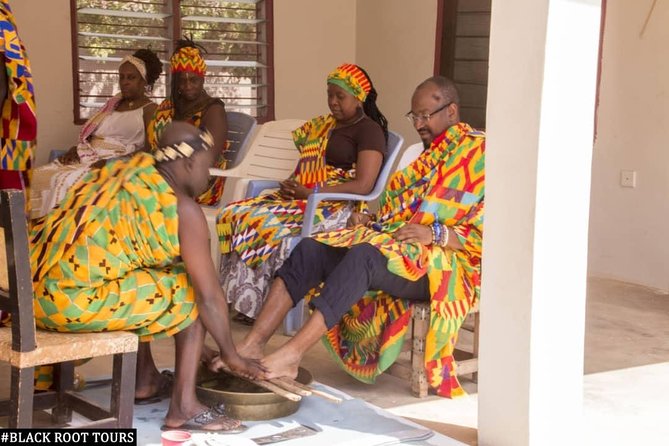
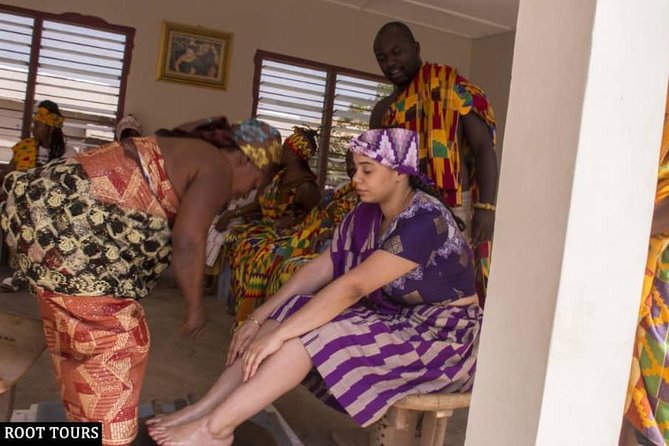
This is the kind of cultural activity that doesn’t just show you something, it gives you something. In the Asante tradition, names carry meaning, and here you’re given a new name that’s connected to the day you were born. That matters because it changes the mood from sightseeing to participation. You’re not standing at a distance, watching from behind someone else’s schedule.
You’ll also notice how much effort goes into the presentation. Part of the ceremony includes receiving a weaved kente script and being presented with a certificate that carries your name. Even if you don’t understand every word being said, the symbolism comes through: the name is treated as real, honored, and meant to travel with you after you leave Ghana.
The best mindset is simple. Come ready to be present, quiet enough to follow the moment, and open to learning. If you’re looking for a quick photo stop, this is longer and more meaningful than that. You should expect it to feel personal.
More of the Ashanti region:
- Bonwire Namimg Ceremony and Kente Tourist Center
★ 5.0 · 40 reviews - Tour Kumasi City Like a Local
★ 4.5 · 34 reviews - Traditional naming ceremony For African Diasporas in Kumasi
★ 5.0 · 10 reviews
Kumasi Logistics: Private Pickup, Air-Conditioned Comfort, and a Tight 4-Hour Window
The tour runs about 4 hours starting at 9:00 am, and it ends back where you started. That early start is helpful in Kumasi, because you get the ceremony and craft visits done without eating up your whole day.
You get pickup offered, and the transport is an air-conditioned vehicle that includes fuel. For me, that’s a big value point. Ghana road travel can be unpredictable, and having the comfort and fuel handled keeps the day smoother. It also means you can spend your energy on the cultural stops instead of figuring out rides.
Since it’s private and restricted to your own group, the flow can feel more respectful. There’s less waiting around for other parties, and it’s easier to move as a unit from one activity to the next. If you’re traveling with family, a small group of friends, or anyone who wants the experience to feel personal, the private format supports that.
One small consideration: the experience is weather-dependent. If weather is poor, you’ll be offered a different date or a full refund. So if your schedule is extremely tight, try not to book this as your only option for the day.
Ntonso Adinkra Stamping Village: Where Cloth Patterns Tell Stories
Your first craft stop is at Ntonso, specifically the Adinkra stamping village. Here, the focus is cloth and symbols. Adinkra is known for motifs that communicate ideas, and the stamping approach makes the connection between design and meaning very physical. You’re not just seeing patterns, you’re seeing how they’re made.
A key practical detail: admission to this village is not included. That doesn’t ruin the value, but it’s a heads-up. Budget for entry fees so you don’t feel surprised when you arrive. The good part is that the tour package keeps most of the day covered, including transport and lunch.
What I like about pairing this stop with the naming ceremony is the theme continuity. Your new name is about identity and meaning, and Adinkra is also about meaning expressed through symbols. Even if you’re not a craft expert, you’ll likely come away paying closer attention to the patterns and what they represent.
One more tip: if you plan to buy anything, give yourself a little energy for it. The tour doesn’t include personal shopping, so any purchases are on you. Still, this is the kind of place where shopping can feel purposeful, because the designs are tied to local craft traditions.
Adanwomase Kente Weaving Village and Cocoa Farm Time
Next you head to Adanwomase Kente Cloth and Tourism, a weaving village stop that also includes a cocoa farm tour. This combination is smart. Kente is instantly eye-catching, but linking it to local agricultural life helps you see the broader picture. You’re not only looking at the finished product, you’re getting a hint of the environment and everyday economy that supports the work.
Like the first craft stop, admission tickets are not included. Again, plan for that so the day stays smooth. Once you’re inside, you can expect kente weaving culture to be the main focus, and then you’ll shift to cocoa farm time for a different pace and a different kind of learning.
The ceremony part of the day already makes things personal. This stop reinforces the same idea with another kind of personal connection, because kente is often worn and used in meaningful ways. When you’ve just gone through the process of receiving a woven kente script during the naming ceremony, seeing how kente is made at a weaving village can feel especially satisfying.
A practical downside to consider: you’ll be on the move. You’re doing a naming ceremony plus two craft experiences, and that’s concentrated. If you like long unstructured wandering, you may want to balance this with more downtime later.
More naming ceremony experiences:
- Full Day Tour with Traditional Naming Ceremony in Kumasi
★ 5.0 · 4 reviews - The Ancestral Naming Ceremony and Home Coming Experience
★ 5.0 · 30 reviews - Naming Ceremony and Heritage Homecoming Experience for Diasporas
★ 4.5 · 15 reviews - Traditional Naming Ceremony and Boat Cruise Experience
★ 5.0 · 15 reviews
Lunch and Transportation: The Hidden Value in a Well-Planned Half Day
One of the most underrated parts of day tours is what happens between the big moments. Here, lunch is included, which matters more than it sounds. It keeps the day from turning into a hunt for food while your schedule is running. With the ceremony and craft stops packed in, having lunch built in helps you avoid the stress of deciding where to eat quickly.
Because you’re also traveling in an air-conditioned vehicle with fuel included, you get fewer operational headaches. That’s real value on a short tour. You don’t have to bargain for rides, switch cars, or think through cost and logistics mid-day. You just show up, follow the plan, and enjoy the experiences.
Also, the tour ends back at the meeting point, which is helpful if you’re continuing to other activities afterward. You get a clean landing instead of the uncertainty that sometimes comes with stand-alone transfers.
Your New Name: What to Expect from the Ceremony Moment
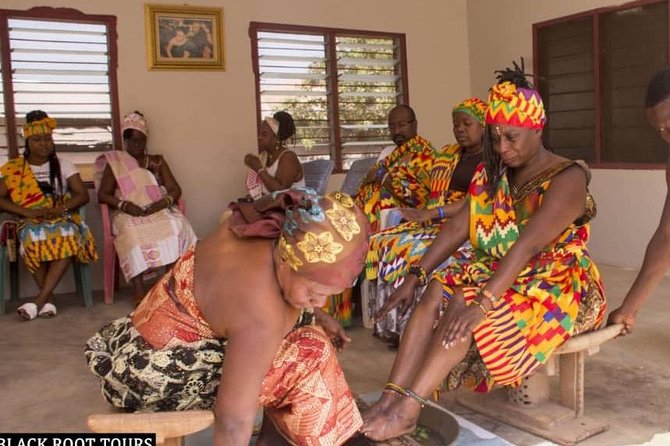
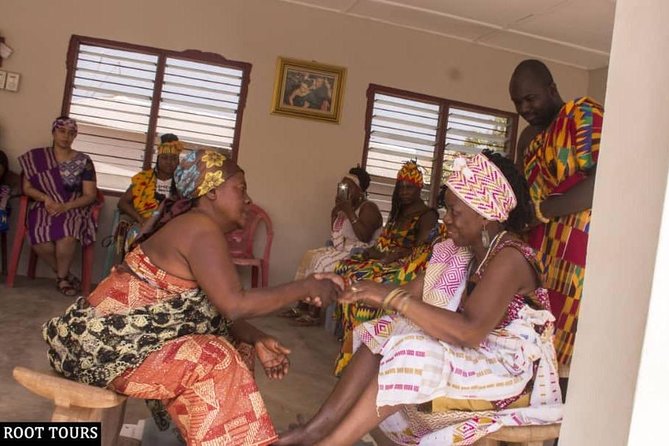
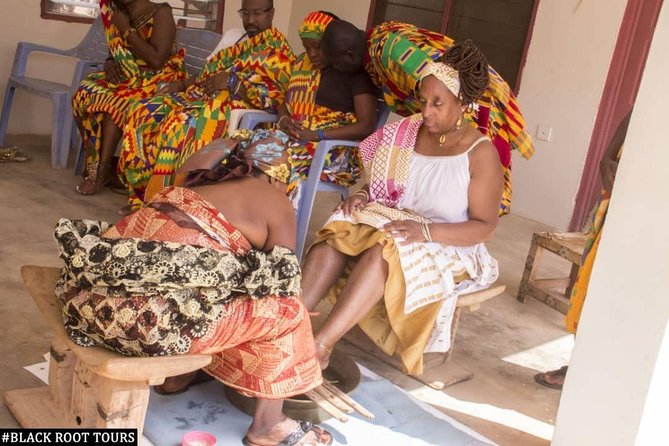
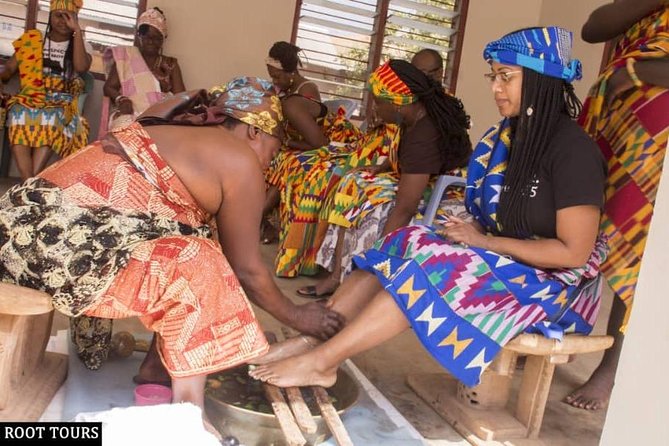
The naming ceremony is built around the idea that your identity gets honored through Asante tradition. You’ll be given a name selected personally for you based on the day you were born. That’s the core mechanism, and it’s what makes this more than a staged performance for visitors.
During the ceremony, the clan presents you with a weaved kente script, and you receive a certificate with your name. The way it’s described in participant stories is that it can feel emotional, because it isn’t just a label, it’s a formal recognition.
One guide name that keeps coming up is Maclean. People describe him as kind and patient, and they credit him with helping make the process meaningful and organized. That matters, because a ceremony can feel intense if you’re unsure what’s happening. A good guide helps you follow along, respect the moment, and translate what you’re seeing into something you can actually carry with you.
A personal detail you might find especially moving is how names and meaning can connect to real family stories. In one experience described, the chief named the person after his wife who had transitioned, Abena Agyemang. You might not have the same story in your naming, but it’s a reminder that names here can connect to family history, community relationships, and love expressed through tradition.
Price and Value: Is $180 Fair for This 4-Hour Private Experience?
At $180 per person for an approximately 4-hour private tour in Kumasi, the value comes from what’s included, not just from the price tag.
What you get that justifies the cost:
- Private group format, so you’re not sharing the ceremony and craft flow with strangers.
- Air-conditioned vehicle with fuel handled.
- Lunch included.
- Two major cultural craft stops built into the same day.
- A naming ceremony experience that ends with a certificate and kente script.
What can affect your final spend:
- Admission tickets are not included for the craft sites (Ntonso Adinkra stamping and Adanwomase kente village).
- Personal shopping is not included, so any souvenirs you buy are extra.
When I think about whether this is worth it, I focus on your outcome. You’re not just learning facts, you’re leaving with a personal identity marker tied to a community ritual. If that feels like the kind of souvenir you actually want, then the price makes more sense than it would for a standard museum visit.
If you’re traveling solo, the private aspect can feel like the biggest value. If you’re traveling as a small group, it can feel even better because you spread the cost across people who want the ceremony to stay personal.
Who This Tour Suits Best (And When to Rethink It)
This is a great fit if you:
- Want a meaningful cultural experience tied to identity, not only sightseeing.
- Prefer a private tour where you can focus on the ceremony and craft stops.
- Appreciate traditional crafts like Adinkra and kente, especially when you see the making process.
- Like structured days with an early start, because the itinerary is tight and runs efficiently.
It may be less ideal if you:
- Want a super relaxed schedule with long free time between stops.
- Don’t want to plan for additional on-site admission fees.
- Are very sensitive to a ceremony feeling emotional. Many people describe it that way, so coming with the right expectations helps.
If you’re doing a Ghana trip that includes Cape Coast and Accra alongside Kumasi, this acts like a grounding experience, because it’s rooted in community ritual and local craft traditions.
How to Prepare So the Ceremony Feels Respectful and Easy
You can’t over-prepare for a naming ceremony. You’re stepping into a cultural ritual, and the experience works best when you feel calm and ready.
Here’s what I suggest you do before you go:
- Bring a small amount of extra cash or a card for the craft-site admissions, since tickets are not included.
- Plan to be present during the ceremony portion. Don’t treat it like a stop you can half-watch.
- If you’re buying anything from the craft villages, decide in advance how much you want to spend. The tour does not include personal shopping, so keep the budget clear.
Also, remember that your name selection is based on the day you were born. So make sure you have that information handy when booking and at the time of the ceremony, so the process can go smoothly.
Should You Book Root Tour Ghana’s Naming Ceremony in Kumasi?
If you want an experience that feels personal, respectful, and directly connected to Asante tradition, I think you should seriously consider booking. The private format, air-conditioned transport, lunch included, and the end result of a new name plus a certificate and kente script make it a strong package for a half day.
Book it especially if you care about meaning, crafts, and doing something you’ll remember beyond the photos. Factor in that admissions for the craft sites are extra, and be sure your schedule can handle a 9:00 am start.
If you’re hoping for only casual sightseeing, then choose a different type of tour. But if you want to show up for a ritual and leave with something that feels like it belongs to you now, this is one of the better ways to spend time in Kumasi.
FAQ
How long is the traditional naming ceremony tour in Kumasi?
The tour lasts about 4 hours.
What is the price per person?
The price is $180.00 per person.
Is lunch included?
Yes, lunch is included.
Is pickup included?
Pickup is offered, and the tour uses an air-conditioned vehicle.
Is this tour private?
Yes, it is a private tour restricted to your own group.
Are admission tickets for the craft sites included?
No. Admission ticket fees are not included for the Ntonso Adinkra stamping village and the Adanwomase kente weaving area.
What if the weather is poor?
The experience requires good weather. If it is canceled due to poor weather, you will be offered a different date or a full refund.
Newly reviewed around Kumasi
- Discover kumasi Tours★ 5.0 · 3 reviews
- Kumasi City Tour★ 4.5 · 3 reviews
- Kumasi Culture and Heritage Tours★ 4.5 · 3 reviews
- Full Day Tour with Traditional Naming Ceremony in Kumasi★ 5.0 · 4 reviews
- One day tour at Kumasi★ 5.0 · 6 reviews
- Lake Bosomtwe Boat Cruisely and Kumasi City Tours★ 4.5 · 6 reviews
- Kumasi City Tour★ 4.5 · 7 reviews
- Kumasi: City Tour★ 5.0 · 3 reviews
Ghanaian Naming Ceremonies, compared.
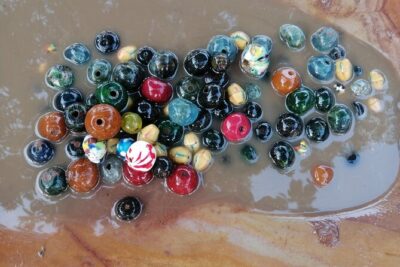
The Ancestral Naming Ceremony and Home Coming Experience
Read our review →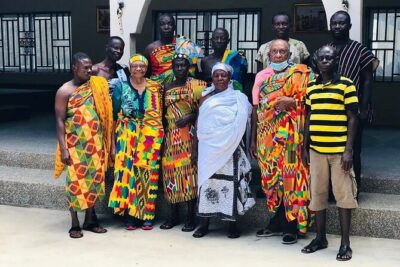
Naming Ceremony and Heritage Homecoming Experience for Diasporas
Read our review →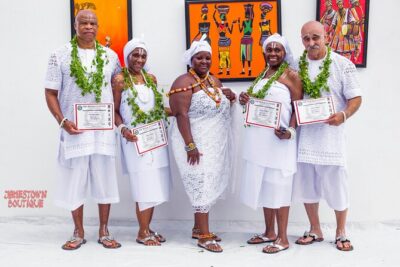
Traditional Naming Ceremony and Boat Cruise Experience
Read our review →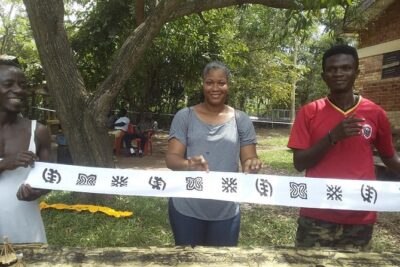
Kumasi Heritage Tours And Naming Ceremony In A Day
Read our review →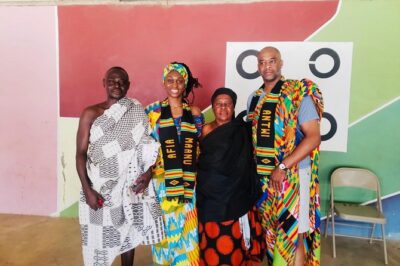
Traditional naming ceremony For African Diasporas in Kumasi
Read our review →
Naming Ceremony, Assin Manso Slave River and Cape Coast Castle
Read our review →
Cultural Village Tour: Traditional Naming Ceremony
Read our review →
Full Day Tour with Traditional Naming Ceremony in Kumasi
Read our review →Browse the lists this tour appears in