
Reviewed · GHANAIAN NAMING CEREMONIES
Traditional naming ceremony For African Diasporas in Kumasi
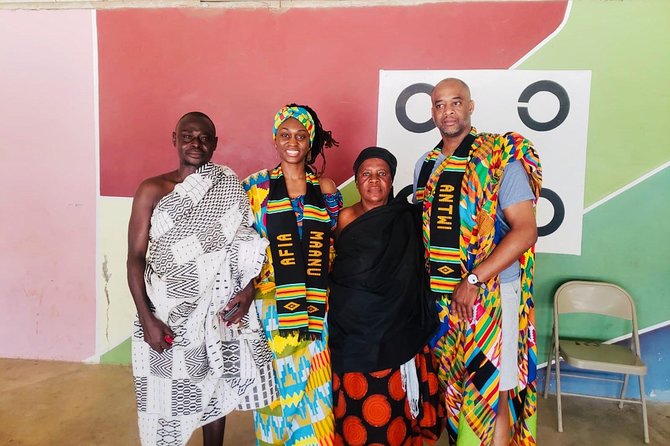
A traditional naming ceremony in Kumasi is one of those life-cycle rituals that feels bigger than a photo op. For African-American and Caribbean diasporas, this private Adawomase experience adds an important twist: you’re given a Ghanaian name tied to your date of birth, in a space designed for respect and meaning.
Two things I really like here are the way the day is structured around personal connection, not just sightseeing, and the strong emphasis on cultural learning beyond the ceremony. Bilson Tours Gh, led by guide Bilson, is praised for time, patience, and a calm, thoughtful approach, which matters when you want your questions answered and your moment to land right.
One possible drawback to consider is timing and conditions. It runs about 7 hours, starts at 9:30 am, and the experience requires good weather, so you’ll want a flexible mindset for the day’s pace.
Key highlights worth planning around
- Your date of birth becomes part of the ceremony, leading to a traditional name and recognition
- Private means only your group, so the ritual does not feel rushed or shared with strangers
- Ghanaian cloth is tailored for you, so you leave with a wearable piece of the experience
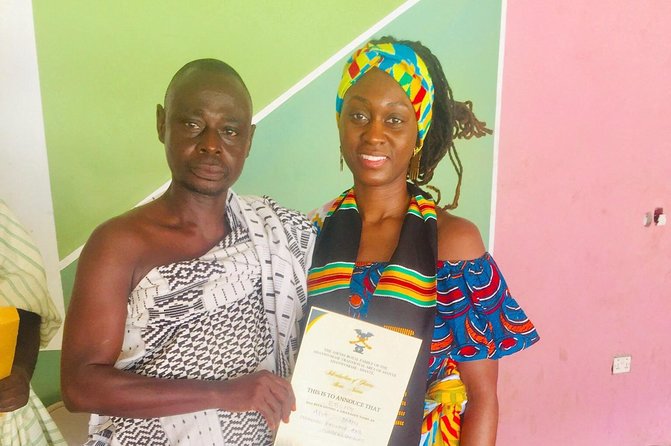
- Certificate of recognition adds an official, meaningful keepsake
- Kente weaving workshop and cocoa farm time give context beyond the naming moment
- Included lunch and entrance fees help you avoid hidden costs during the day
Why Kumasi’s Adawomase naming ceremony feels made for the diaspora
Kumasi is a powerful base for this kind of cultural experience because it sits in the living heart of Ghanaian tradition. Naming ceremonies are usually held within the first few days after birth, and this Adawomase setting keeps the idea intact, with a focus on identity, family, and the social importance of a name.
What makes this day special for African diasporas is that your story is included from the start. You’re not just learning about someone else’s tradition in theory. You’re participating in the process in a way that ties your personal details to the ritual, then you receive formal recognition afterward.
The private format is a big deal. It gives you space to ask questions, move at a respectful pace, and feel like your group is the only one being hosted. That matters in any ceremony setting, and it’s especially helpful if you’re coming from far away and want the day to feel intentional.
More of the Ashanti region:
- Bonwire Namimg Ceremony and Kente Tourist Center
★ 5.0 · 40 reviews - Tour Kumasi City Like a Local
★ 4.5 · 34 reviews - Kumasi City Tour
★ 5.0 · 8 reviews
When you share your date of birth, the ritual becomes yours
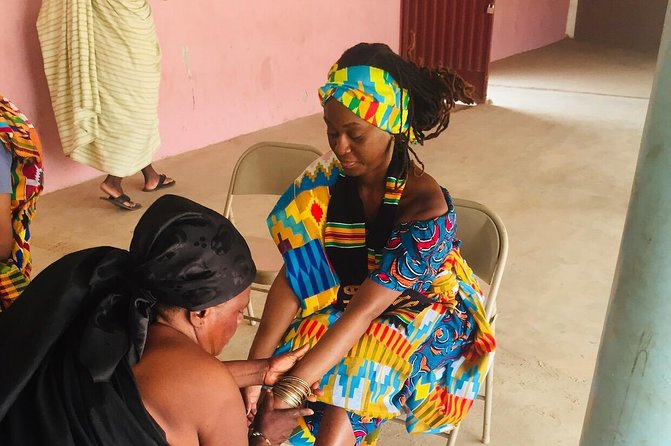
Here’s what to expect in the naming process. You’ll visit the Adanwomase area, and you’ll go through the traditional steps of naming. The key practical input is your date of birth, which is used to generate your Ghanaian name and recognition details.
This is not framed as a simple cultural performance. The day is guided as a process, including education about the origins and history of the naming tradition. That context helps the name feel grounded, not random. You’ll also see the ceremony through the lens of the community, which is where the respect shows.
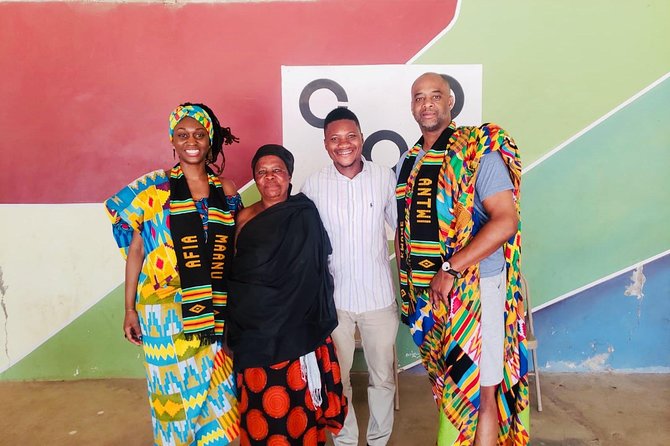
You’ll be adorned in Ghanaian cloth tailored for you as part of the ritual. That cloth element is more than decoration. It’s how the ceremony signals, in a very physical way, that you are being welcomed as part of a cultural moment, not just observing from the sidelines.
The Ghanaian name, cloth, and certificate of recognition
The keepsakes here are not just souvenirs. You receive a certificate of recognition, and you also take away your traditional name result from the ceremony itself. Those two items tend to hit differently than typical travel memorabilia because they connect to who you are and where your identity intersects with Ghanaian tradition.
The Ghanaian cloth is another meaningful piece. You’re not asked to pick something off a shelf. You’re adorned as part of the ceremony, which gives you a wearable reminder of the day’s role in your personal story.
One practical note: the experience does not include buying your own items. If you know you might want extra purchases such as additional cloth, you’ll need to plan for that. If you don’t, you can still get plenty from what’s included, especially the certificate and the ceremony clothing experience.
Cocoa farm and kente weaving workshop: more than added stops
A naming ceremony is powerful, but it can feel abrupt if it’s the only thing in your day. That’s why the cocoa farm visit and the kente weaving workshop matter. They turn your “one moment” experience into a broader understanding of Ghanaian daily life and craft.
The cocoa farm stop gives you a taste of the agricultural side of culture. You’ll also have time for cocoa-related tasting, which is often where people start to understand how familiar flavors are tied to local work and processing. It’s not just food. It’s context you can remember long after you leave Kumasi.
Then you move into kente weaving. Kente is one of the most recognizable Ghanaian textiles, and seeing the weaving process hands-on helps you understand why the cloth has status and symbolism. Even if you’re not a craft person, the workshop format tends to make the craft feel tangible because you can watch the making, not just buy the final product.
This combination also helps if you’re visiting with mixed interests. The day works both for people who want a spiritual, identity-focused experience and for people who want hands-on cultural craft time.
More naming ceremony experiences:
- Traditional Naming Ceremony For African Americans In Kumasi
★ 5.0 · 5 reviews - Full Day Tour with Traditional Naming Ceremony in Kumasi
★ 5.0 · 4 reviews - The Ancestral Naming Ceremony and Home Coming Experience
★ 5.0 · 30 reviews - Naming Ceremony and Heritage Homecoming Experience for Diasporas
★ 4.5 · 15 reviews
Bilson Tours Gh and the value of a calm, patient guide
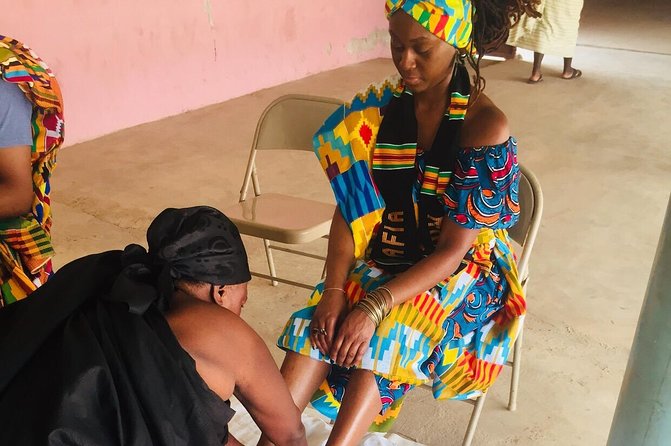
Guide quality can make or break a ceremony day. In this case, the messaging around Bilson is consistently about care, patience, and follow-through. One highlight from past experiences is how Bilson is willing to make things work, including long travel to ensure you make it to the tour when needed.
You’ll feel that kind of mindset in small ways. For example, ceremony days require time for questions, transitions, and respectful movement between activities. A guide who keeps things organized without rushing helps you stay present. It also helps your group understand what to do next without feeling lost.
Bilson’s role matters even more if you’re visiting Ghana for identity reasons. When you’re stepping into something personal, you want explanations, cultural framing, and a steady hand. The day is designed so your participation feels supported.
Pickup, timing, and how to plan for a 7-hour private day
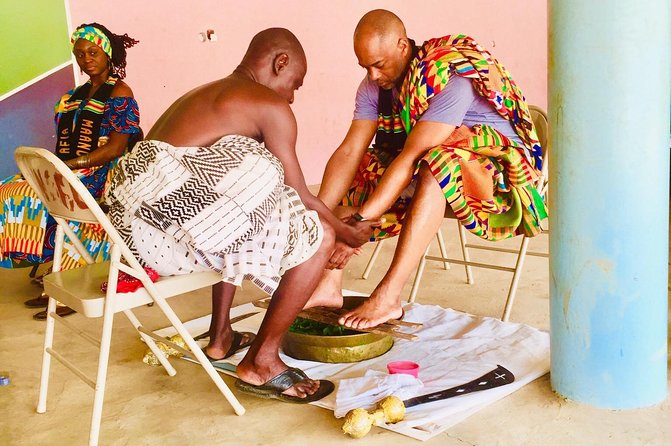
This experience runs for about 7 hours and starts at 9:30 am. Pickup is offered, and the meeting point is listed as Lancaster Kumasi City Rain Tree St, Lesley Opoku-Ware Drive, Kumasi, Ghana, with the tour ending back at the meeting point.
That “back to the start” setup is practical. You don’t have to coordinate transport at the end, and you can plan dinner later without worrying about getting stranded. It also helps if your hotel is near the meeting area.
The vehicle is air conditioned, and the day includes bottle water. Those small comfort details add up on a long cultural day, especially if you’re walking a bit between stops.
What to plan on for the day’s rhythm: ceremony first, then craft and food stops. You’ll be moving through experiences that each have their own pace. If you’re the type who likes to pack your schedule tightly, consider leaving open time after lunch. You may want a bit of recovery time to settle in and process what you just participated in.
Because it’s private, your group is the focus. That can feel slower in a good way, not because you’re waiting around, but because the host community and your guide can give you real attention without juggling multiple groups.
Price and value: what $175 per person actually buys you
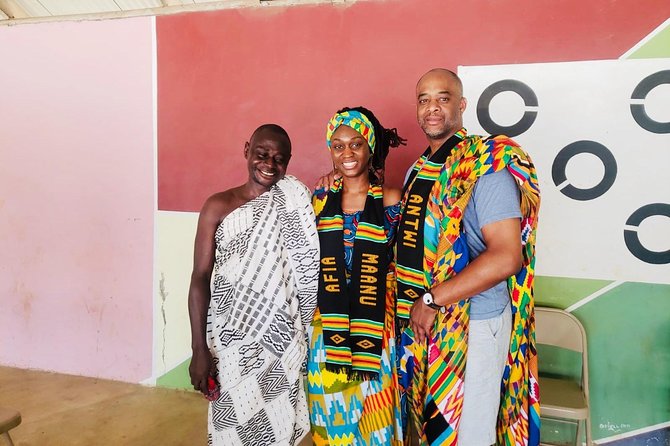
At $175 per person, you’re paying for more than transport and a couple of stops. You’re paying for a private, guided, ceremony-based experience that includes several cost categories you’d normally pay separately.
Here’s what’s included:
- Air conditioned vehicle and fuel surcharge
- Bottle water
- Lunch
- Entrance fees
- Tour guiding service
You also receive the recognition elements that come from the ceremony itself, including the certificate. When you price it against a typical half-day tour that only offers general cultural access, the value becomes clearer. You’re not just visiting a place. You’re being hosted in a ritual context, then taken through craft and food learning that deepen the meaning.
The best way to think about the cost is this: a naming ceremony is the centerpiece. Everything else supports that centerpiece by giving you a fuller picture of culture and everyday life in the region.
If you’re traveling with a family group, this day can be excellent value because private format can reduce the awkwardness of watching a ceremony from the back of a crowd. You’ll likely feel more connected when your group is fully engaged, not squeezed between strangers.
If you’re a solo traveler, it can still be worth it if the identity aspect of your trip matters to you. Just be sure you’re comfortable sharing your date of birth for the naming process and that you’re ready to participate rather than observe.
Who should book this ceremony day, and who should think twice
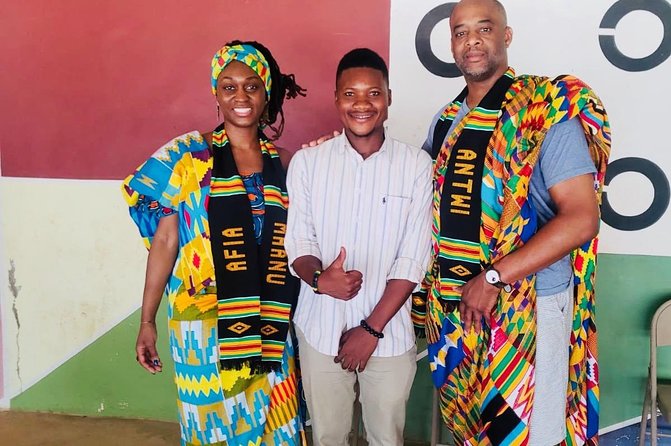
This is a strong match if you’re an African diaspora traveler who wants more than a cultural lesson. If you’re craving a personal connection to Ghanaian identity, a naming ceremony with recognition and cloth can feel like a real turning point.
It also fits you if you enjoy hands-on craft learning. The kente weaving workshop gives you that practical, visual learning angle, and the cocoa farm stop balances the day with something sensory and delicious.
You might think twice if you:
- Are only interested in quick, low-effort sightseeing
- Prefer to avoid sharing personal details, since you’ll give your date of birth for the naming process
- Have a rigid schedule that cannot flex if the day is adjusted due to weather
The day is designed to work for most travelers, and the private format makes it easier to personalize within the flow of the ceremony. But it still takes time, and it still follows a cultural pace.
Should you book the Adawomase naming ceremony with Bilson Tours?
My take: yes, if you want a genuinely personal Ghana experience. The combination of a private ceremony, the use of your date of birth, the Ghanaian cloth adornment, and the certificate of recognition is not the usual “see and move on” travel model. Add in kente weaving and cocoa farm time, and you get a full, meaning-driven day.
Book it if you’re excited by identity, ritual, and craft. Book it if you want a calm guide and a schedule that respects a ceremony’s rhythm. And book it if you like the idea of leaving Kumasi with more than pictures, you’ll leave with a name and recognition that actually belong to you.
If you want to keep this low risk, plan for good weather and keep your schedule open on the day after your tour in case you feel travel-fogged. Once you’re there, the private format and attentive hosting are exactly what make this feel worth the time and money.
FAQ
Where does the tour start in Kumasi?
The tour starts at Lancaster Kumasi City Rain Tree St, Lesley Opoku-Ware Drive, Kumasi, Ghana, and it ends back at the meeting point.
How long is the naming ceremony experience?
It runs for about 7 hours.
What is the price per person?
The price is $175.00 per person.
What is included in the tour?
Included are air conditioned vehicle, fuel surcharge, bottle water, lunch, entrance fee, and tour guiding service.
What do I receive during the ceremony?
You take part in the traditional naming process, you receive a traditional name based on your date of birth, and you get a certificate of recognition.
Is this a private tour?
Yes. It is private, and only your group participates.
What is the cancellation policy?
You can cancel for a full refund up to 24 hours in advance. The experience requires good weather, and if it’s canceled due to poor weather, you’ll be offered a different date or a full refund.
Newly reviewed around Kumasi
- Discover kumasi Tours★ 5.0 · 3 reviews
- Kumasi City Tour★ 4.5 · 3 reviews
- Kumasi Culture and Heritage Tours★ 4.5 · 3 reviews
- Full Day Tour with Traditional Naming Ceremony in Kumasi★ 5.0 · 4 reviews
- Traditional Naming Ceremony For African Americans In Kumasi★ 5.0 · 5 reviews
- One day tour at Kumasi★ 5.0 · 6 reviews
- Lake Bosomtwe Boat Cruisely and Kumasi City Tours★ 4.5 · 6 reviews
- Kumasi City Tour★ 4.5 · 7 reviews
Ghanaian Naming Ceremonies, compared.
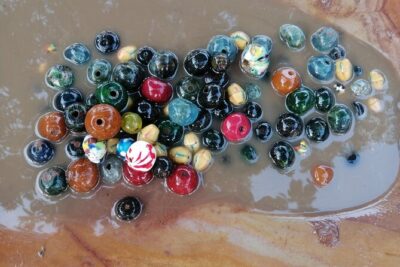
The Ancestral Naming Ceremony and Home Coming Experience
Read our review →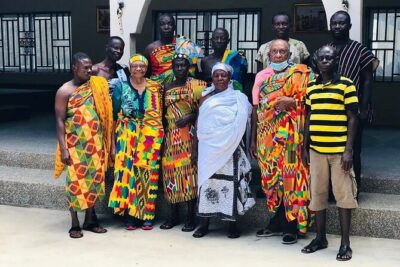
Naming Ceremony and Heritage Homecoming Experience for Diasporas
Read our review →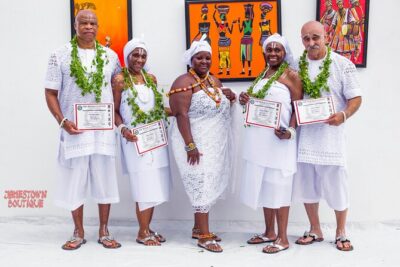
Traditional Naming Ceremony and Boat Cruise Experience
Read our review →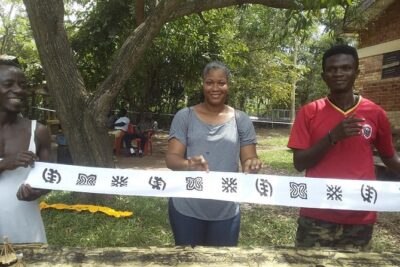
Kumasi Heritage Tours And Naming Ceremony In A Day
Read our review →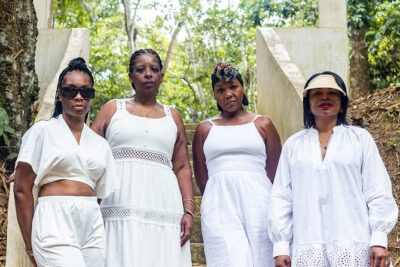
Naming Ceremony, Assin Manso Slave River and Cape Coast Castle
Read our review →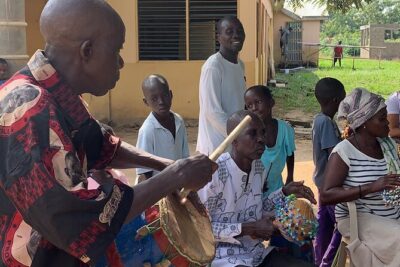
Cultural Village Tour: Traditional Naming Ceremony
Read our review →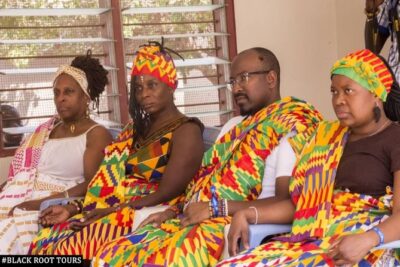
Traditional Naming Ceremony For African Americans In Kumasi
Read our review →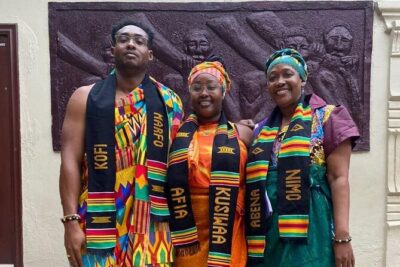
Full Day Tour with Traditional Naming Ceremony in Kumasi
Read our review →Browse the lists this tour appears in