
Reviewed · ASHANTI REGION TOURS
One day tour at Kumasi
This tour is interesting because it strings together three sides of Kumasi you do not always see in one day: royal power, conflict-era artifacts, and hands-on West African craft. I like the admission-included museum stops that keep the day moving, and I like the private format that lets you spend time at the places you care about most. One possible drawback, though, is that it is a long day and lunch is not included, so plan food or snacks unless you enjoy living on museum time.
The company behind it, BIBINIBA Kumasi City Tours, is known for a team that communicates well and adjusts when plans change. In past trips, people highlighted staff such as Kofi (owner), Josephine and Godfrey (guides), and Jones (driver) for flexibility, plus helpful recommendations once you are in Kumasi.
Key Points Before You Go
- Private pacing: Your group stays together, so you are not stuck waiting around for other schedules.
- Museums plus meaning: Short stops still include context, from war amulets to royal household items.
- Craft stops with real making: Ntonso for adinkra symbols, Adanwomase for kente patterns, and chances to learn how cloth is produced.
- A classic market finish: Kejetia is a practical place to shop and watch everyday life.
- Air-conditioned comfort: Transport is included, which matters in the warmer parts of Ghana.
A one-day Asante sampler: power, war, and craft in 4 to 8 hours
If you only have one day in Kumasi, this route is built for efficiency without turning into a speed-run. The tour runs about 4 to 8 hours depending on how much you shop and how long you linger at each stop. It starts at 8:00 am and ends at Kejetia New Market and Bus Terminal N8, so you finish where lots of local activity happens and you can continue on to other plans.
The main idea is simple. You start with Asante royal sites and museum collections that explain power, tradition, and conflict. Then you shift to cloth production, where symbols and patterns have names and meanings. Finally, you land at a major open-air market, which is where you can convert what you learned into real souvenirs.
This is also set up for comfort. You get an air-conditioned vehicle and the tour includes all fees and taxes. If you are thinking about value, that matters. The day is not just transport and doors, it is also admissions at most stops.
More of the Ashanti region:
- Bonwire Namimg Ceremony and Kente Tourist Center
★ 5.0 · 40 reviews - Tour Kumasi City Like a Local
★ 4.5 · 34 reviews - Traditional naming ceremony For African Diasporas in Kumasi
★ 5.0 · 10 reviews
Price and value: what $130 buys you in Kumasi
At $130 per person, you are paying for a private, structured day that includes transportation and admissions for several key sites. Many self-guided days in Ghana can end up costing you more in small ways, like paid entry here, paid entry there, plus the cost of figuring out timing on your own.
Here’s what makes the price feel more like value than just a ticket:
- Admissions are included for major stops such as the Manhyia Palace Museum, Ghana Armed Forces Museum, Prempeh II Museum, and the Okomfo Anokye Sword Site.
- You get a full pickup-and-route service (pickup is offered), plus an air-conditioned car that can reduce the fatigue of hot, stop-and-go city travel.
- The tour is private, so you are not sharing your day with strangers who want to race through the museums while you want to read every sign.
The main cost you still have control over is food. Lunch is not included, so build that into your budget. If you budget a reasonable meal and water for the day, the $130 price makes a lot more sense.
Entering the Manhyia Palace Museum: where Asante royal life is explained
Your first stop is the Manhyia Palace Museum, starting right where the tour begins. It is a smaller museum, but that is part of why it works on a one-day schedule. You spend about 45 minutes, and the focus stays on Asante artifacts you can actually connect to real royal life.
This palace museum opened in 1995 during the Silver Jubilee celebration of the accession of the Golden Stool. That detail matters because it frames the museum as a modern way to protect and present older authority. You will see historic artifacts, including war amulets and other items tied to the Asante Kingdom. Even when the building is modest, the collections point you toward the story behind them: symbols are not decoration, they are part of identity and power.
A practical note for your time at Manhyia: this stop can set your mental checklist for the day. If you want the museums later to make more sense, give yourself full attention here. I find it helps to treat this first museum like orientation, not just an early photo stop.
Kumasi Fort and the Ghana Armed Forces Museum: military items with context
Next is Kumasi Fort and the Ghana Armed Forces Museum, with about 1 hour on the clock and admission included. This museum focuses on military equipment, artifacts, and items used around the British Asante war era and World War II.
What you’re looking at here is not just weapons. You can expect war weapons, colors, medals, armored cars, portraits, and photographs. The way the museum is presented aims to help you understand how Ghana’s story developed from colonial-era conflict into the present day.
For me, this stop is the contrast that makes the morning feel complete. Palace museums help you see authority. This one helps you see what authority faced, and what people carried through conflict. If you are someone who likes history but dislikes long lectures, this museum’s format is usually easier to handle than something that runs too long.
A few more Kumasi days to weigh up
- Kumasi City Tour
★ 5.0 · 8 reviews - Kumasi City Tour
★ 4.5 · 7 reviews - Lake Bosomtwe Boat Cruisely and Kumasi City Tours
★ 4.5 · 6 reviews - Traditional Naming Ceremony For African Americans In Kumasi
★ 5.0 · 5 reviews
The Prempeh II Museum: small space, very specific court objects
Then you head to the Prempeh II Museum, about 25 minutes with admission included. The museum is described as small, but the tour format makes it feel more like a guided introduction than a quick glance.
The displays cover artifacts linked to King Prempeh II, including:
- war attire and ceremonial clothing
- jewelry and protective amulets
- personal items connected to bathing and dining
- furniture and royal insignia
- brass weights used for weighing gold
One of the most tangible elements is the building design. It is constructed to resemble an Ashanti chief’s house, with a courtyard in front and walls adorned with traditional carved symbols. That helps you understand the setting, not just the objects.
For this stop, I’d keep your phone use light. You will get more out of it by watching what your guide points out and by looking closely at the kinds of objects that seem ordinary until you realize they are markers of rank and tradition.
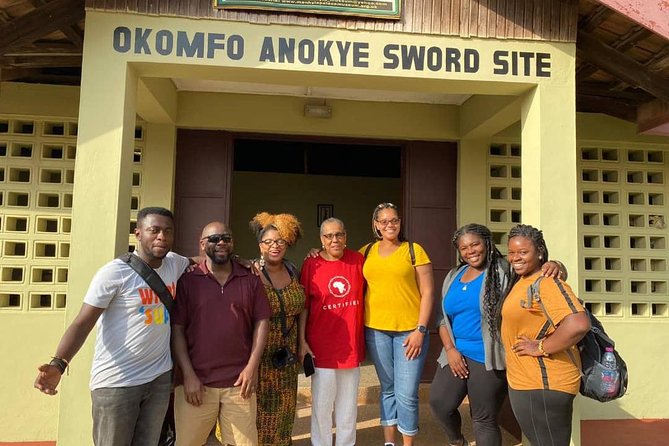
Okomfo Anokye Sword Site: the immovable sword and its small museum
After Prempeh II, you go to the Okomfo Anokye Sword Site. Expect about 15 minutes plus the small museum on-site, with admission included.
The main attraction is the site associated with the story of the immovable sword driven into the ground by Okomfo Anokye. Even with a short stop, this place tends to land in a different emotional category than the museums. The sword site feels like a point of spiritual and cultural reference, not just an exhibit.
Because the time is brief, I recommend you go in expecting a short visit with meaning, not a long lesson. If you want more detail, this is the moment to ask your guide what to pay attention to and why this particular site carries weight.
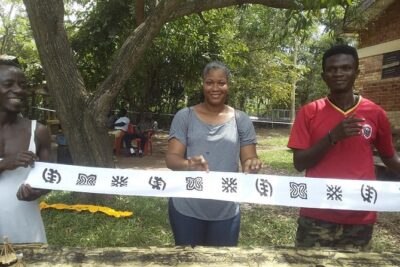
Ntonso for adinkra: symbol-making from scratch
Now the tour shifts from museums to making. First up is Ntonso Adinkra Craftsmen, with about 50 minutes and admission included.
Ntonso is described as the home of adinkra cloth, and the area is noted as the only place in Ghana where traditional adinkra is made locally from scratch. That sounds like a strong claim, but it is useful because it tells you what to look for. You should expect the process to be explained step-by-step, from symbol creation to how cloth gets its marks.
Adinkra matters here because symbols are not just patterns. They are tied to proverbial wisdom, and each design carries meaning. In practical terms, this is where you can buy souvenirs that feel connected to language and thought, not just decoration.
If you are a souvenir shopper, I love starting your “gift list” here because adinkra designs often make more sense once you have heard the meaning behind them. You can also ask how symbols are chosen and what to look for when you are comparing pieces.
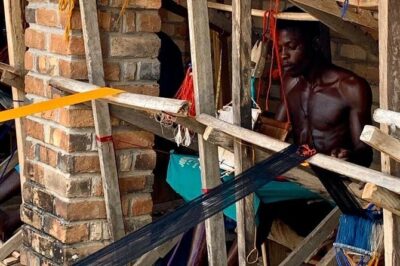
Adanwomase for kente: patterns, proverbs, and still-traditional weaving
Next comes Adanwomase, focused on kente cloth. This stop runs about 1 hour and it is listed as admission free.
Kente is described as a legendary fabric worn by African kings down the centuries, and it is still made in a traditional way in the Ashanti region. The standout detail is that there are over 300 patterns, each with its own name and meaning, often linked to proverbs, historical events, chiefs, and even important plants.
That is the part you should remember when shopping here. A kente pattern is closer to a message than a style. If you like the look but want the meaning too, ask about the pattern names. A good guide will connect the visual to the story, and that makes the purchase feel personal instead of random.
Also, there is a decent chance you may get to try something hands-on. In past experiences, people mentioned doing kente weaving. The tour details do not promise a class format, but the stop is set up around local craft production, so you might see practical demonstrations or get a chance to participate depending on timing.
Kejetia Market to end the day: shopping with context
Finally, you finish at Kejetia Market, with about 1 hour. Admission is not included here.
Kejetia is an open-air central market in Kumasi. The tour description adds some geography flavor too, noting the market sits in the rain forest bioregion of Ashanti and on the Ashantiland Peninsula. That may not sound important, but it helps explain why this is a lively place with natural shade and constant movement.
Kejetia is a smart last stop for two reasons. First, by now you know what you are looking for: adinkra symbols, kente patterns, and general Asante-themed souvenirs. Second, shopping at the end gives you a sense of how your earlier stops connect to real goods in the market.
Practical tips for this final hour:
- bring cash if you can, since markets often run on cash payments
- set a budget before you arrive so you do not get talked into a bigger spend than you planned
- if you want more specific items, ask your guide for what to look for based on the cloth meanings you learned earlier
Pickup, private routing, and why flexibility matters
This is a private tour, meaning it is just your group, not a shared bus load. For a city day like this, that matters because Kumasi visits can depend on time spent inside each museum and the pace of shopping at craft locations.
Pickup is offered, and you start at the Manhyia Palace Museum area, ending at Kejetia. The start time is 8:00 am, so build your morning around getting there early enough to relax and start on time.
One standout theme from how this service has been described is flexibility. People have praised the team for being accommodating, including recommendations once they are in Kumasi. There is even an example of adding an extra festival wish (Akwasidae) without trouble, which tells you something useful: if you have one extra request, the provider tends to work with you when possible.
That means this tour can be a better option than a rigid checklist if you are doing research, photography, or specific shopping. Still, keep expectations grounded. You have only one day, and the itinerary is already set with a museum-and-craft flow.
Food planning for a lunch-not-included day
Lunch is not included, so treat food as a planning job, not an afterthought. With a day that includes multiple admissions and craft stops, hunger can sneak up fast. I suggest you plan either a pre-packed snack or a set lunch option near your route.
Also remember the tour requires good weather. If weather becomes an issue, the provider can offer a different date or a full refund. So if you are scheduling other plans, keep some slack in your calendar.
Who this tour fits best (and who might want a different day)
This tour is a strong match if you want:
- Asante culture and objects connected to everyday meaning, not just broad sightseeing
- museum time that explains royal and military elements in a single day
- craft shopping where you can connect the souvenir to symbols and patterns
- a private guide-driven day with pickup and an air-conditioned vehicle
It may be less ideal if you:
- want a long, slow museum crawl with minimal shopping
- hate markets or do not want to shop at the end
- need a guaranteed lunch stop included in the price
If you are traveling with limited time but want a complete Kumasi picture, this is built for you.
Should you book this Kumasi city tour?
My take: this is a good one-day deal if you want structure and meaning in the same outing. The $130 price works best because admissions and transport are covered, and because the route balances three kinds of places: palace and royal artifacts, military-era items, and craft production you can actually shop.
Book it if your priorities are museum learning, adinkra and kente craft stops, and finishing at Kejetia. Consider another plan if you strongly prefer meals included in the tour price or you want a more relaxed day without market time.
If you do book, go in with one simple plan: decide what souvenir category matters most to you (adinkra, kente, or both). That way, when you reach Kejetia, you are shopping with purpose, not just wandering.
FAQ
What is the price of the Kumasi one-day tour?
The tour costs $130.00 per person.
How long is the tour in Kumasi?
The duration is approximately 4 to 8 hours.
Does the tour include pickup?
Yes. Pickup is offered, and the tour begins at Manhyia Palace Museum.
What does the tour cost include, and what is not included?
It includes an air-conditioned vehicle and all fees and taxes. Lunch is not included.
Are museum admissions included?
Admission is included for stops such as Manhyia Palace Museum, Ghana Armed Forces Museum, Prempeh II Museum, and Okomfo Anokye Sword Site. Kejetia Market does not include admission, and Adanwomase is listed as free.
Where does the tour end?
The tour ends at Kejetia New Market and Bus Terminal N8.
What is the cancellation policy?
You can cancel for a full refund if you cancel up to 24 hours in advance. If you cancel less than 24 hours before the start time, the amount paid will not be refunded. The experience also requires good weather, and if it is canceled due to poor weather, you will be offered another date or a full refund.
Newly reviewed around Kumasi
- Discover kumasi Tours★ 5.0 · 3 reviews
- Kumasi City Tour★ 4.5 · 3 reviews
- Kumasi Culture and Heritage Tours★ 4.5 · 3 reviews
- Full Day Tour with Traditional Naming Ceremony in Kumasi★ 5.0 · 4 reviews
- Traditional Naming Ceremony For African Americans In Kumasi★ 5.0 · 5 reviews
- Lake Bosomtwe Boat Cruisely and Kumasi City Tours★ 4.5 · 6 reviews
- Kumasi City Tour★ 4.5 · 7 reviews
- Kumasi: City Tour★ 5.0 · 3 reviews
Ashanti Region Tours, compared.
Bonwire Namimg Ceremony and Kente Tourist Center
Read our review →
Kumasi Heritage Tours And Naming Ceremony In A Day
Read our review →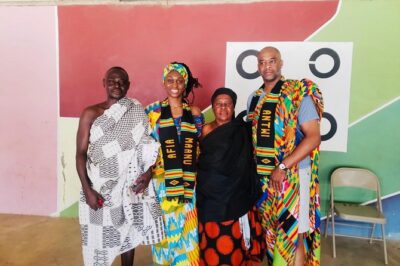
Traditional naming ceremony For African Diasporas in Kumasi
Read our review →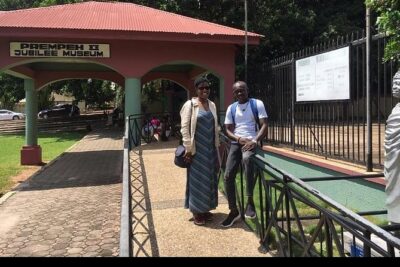
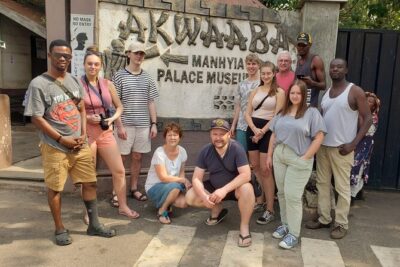
Full-Day Tour to Ashanti Region, Kumasi and Ghanaian History
Read our review →
Lake Bosomtwe Boat Cruisely and Kumasi City Tours
Read our review →Browse the lists this tour appears in