
Reviewed · MARKETS
Makola Market Walking Tour
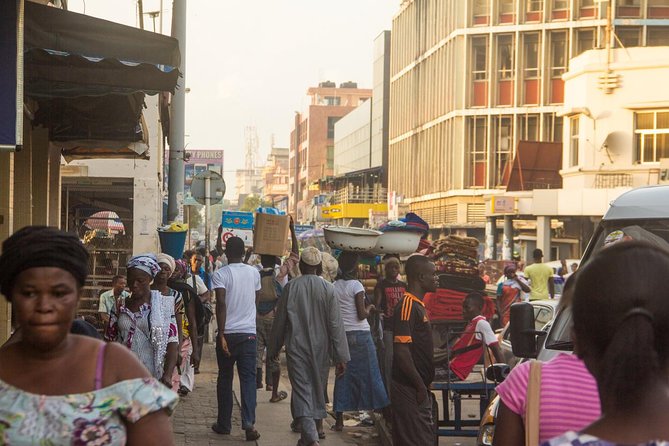
Makola Market is interesting because it is not a museum style stop. It is everyday Ghana, loud, crowded, and layered, with each part of the market selling a different slice of daily life. I like that the tour gives you a real walk through market sections, not just a quick look, and I also like the local guide support that helps you understand what you are seeing as you go.
One thing to consider is that this is a working market. Expect close quarters, lots of walking, and the kind of busy that can feel overwhelming if you hate crowds or shopping pressure.
Key Things to Know Before You Go
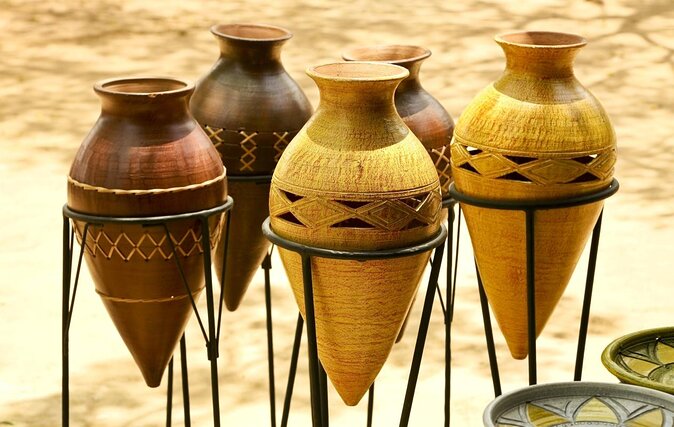
- You’ll start in the food area and learn how ingredients fit into Ghanaian daily cooking
- Expect stops beyond food, including oils, spices, textiles, jewelry, and electronics
- A good guide can save you time, especially for finding the right section and asking the right questions
- Extra areas may be added if you still have energy, including artisan and timber areas
- Agblobloshie and used clothing can be part of the route if time allows
- Bring your shopping brain, because bargaining and price-checking are part of the experience
Why Makola Market Feels Like Real Accra, Not a Photo Stop
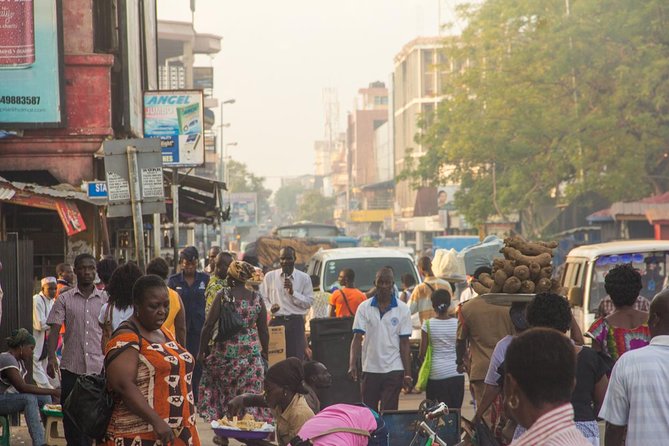
Makola Market is one of those places where you understand Ghana without a lecture. You walk in, and immediately you are surrounded by ingredients, tools, fabrics, household goods, and the everyday commerce that keeps a city running. The tour format helps a lot, because you are not left to wander at random through thousands of stalls. You get guided movement across the market’s different segments, so you actually connect what you see to how people live.
What I like is how the tour makes the market feel logical. You start with food and cooking basics, then you move into products for personal style and daily household needs. That flow makes the whole thing easier to process, even when the market is loud and crowded. It also turns your time into learning, not just shopping.
If you came to Accra craving cultural texture, this is a practical choice. You do not need to be a hardcore shopper. Even if you just want to look, the guided walk helps you read the place: what’s being sold, where it usually comes from, and why certain products show up together.
A few more Accra days to weigh up
- Makola Market Walking Tour
★ 5.0 · 14 reviews - Walking Tours In Cape Coast And Elmina
★ 5.0 · 9 reviews - Accra Zoo, Canopy Walk and Botanical Gardens Private Tour
★ 5.0 · 3 reviews
Meet Your Guide, and Why Ben or Prince Makes a Difference
This tour is built around a local expert guiding you through a complex open market. That part matters more than people think. A market like Makola has its own logic. If you go alone, you might see items but still miss meaning, because you do not know what each section is called or what questions to ask.
In particular, you will likely hear from guides who take navigation seriously. One experience included a guide named Ben, who helped a shopper find what they needed and get better prices. Another day paired the same style of guiding with history context, led by Prince, who explained lots of facts along the way and even helped with extra requests beyond the market walk.
You also get the human side of guiding. In one story, Ben went above and beyond when a client’s suitcase broke, spending extra time trying to help find a replacement. That kind of care is not guaranteed for every situation, but it tells you what kind of guide mindset this tour uses: helpful, patient, and tuned to real needs.
The tour is also English live guided, which helps you connect quickly with what you are seeing. You should still expect you will pick up more if you ask questions as you go, like what something is used for or how it is sourced.
First Stop: The Food Market, Oils, Snails, and Cassava Gari
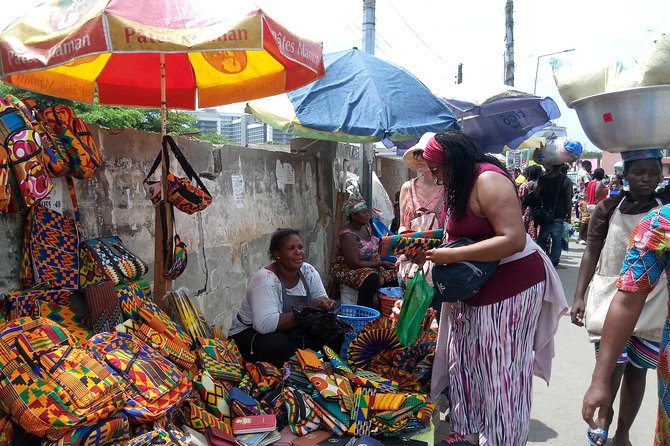
The best place to start is the food section. This is where you see how Ghanaian cooking starts. The tour begins in a typical food market area, and you learn about ingredients and what you will often find in Ghanaian kitchens.
You can expect to hear about local meats and seafood, including bush meat, fishes, giant snails, and edible cow hides. That may sound surprising if you are used to Western menus, but the tour’s value is that it gives context for what these foods mean locally. You are not being asked to judge. You are being shown a food system that is normal here.
Then the guide moves you through other staples and flavor builders. You’ll encounter red and white palm oils, which are a major part of many dishes. You may also learn about gari from cassava, plus local spices, fruits, and vegetables. Even if you do not buy anything, seeing the variety makes the later parts of the market easier to understand. Food products connect to household needs, and you start noticing patterns.
One practical takeaway: if you have dietary concerns, you should ask your guide what is used where. The tour is not positioned as a food tasting tour, but you may hear of guides arranging small snack moments. In one example, a shopper tried Agneli kaklo and tiger nuts, and that kind of add-on can make the food part more memorable.
A drawback here is sensory intensity. The food area can be intense in smell, sound, and crowding. If you are sensitive, tell your guide early. A thoughtful guide can adjust pacing so you do not feel rushed.
Moving On: Cosmetics, Jewelry, Textiles, Pharmacy, Groceries, Electronics
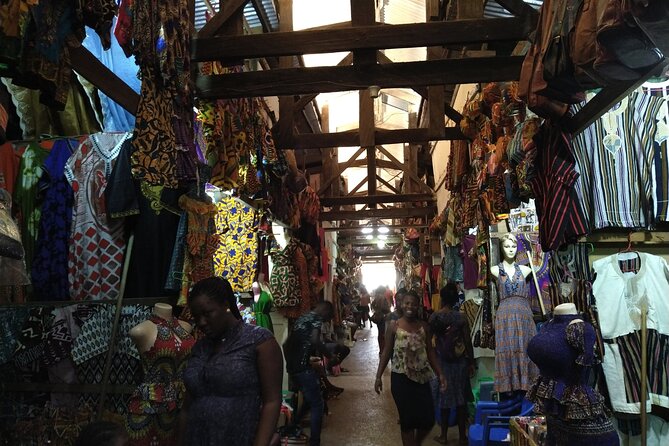
After you understand the cooking basics, the tour shifts to the parts of Makola where you shop for daily life. This is where you see how wide the market actually is.
You’ll explore sections that can include:
- Cosmetics
- Jewelry
- Textiles
- Pharmaceutical items
- Groceries
- Electronics
For many visitors, the biggest surprise is how much variety sits next to the food world. You might be looking at palm oil and cassava products one minute, then you’re facing fabrics and accessories the next. That is one reason the guided structure helps. Your guide helps you move between “categories” so you do not get lost in the chaos.
This is also the part of the tour where your shopping goals matter. If you want textiles, ask early which lane is best. If you came for jewelry or cosmetics, spend time here instead of trying to cover everything. One useful hint from the experiences shared is to go in with a plan so your guide can take you directly to the right area.
A reality check: Makola is a working market, so you will still face vendor talk and price back-and-forth. You do not need to buy. But you should be ready for conversation, since it’s how sales happen.
A slower Accra day, if you have one spare:
- The Cape Coast Day Tour
★ 5.0 · 525 reviews - Experience the Beauty, History and the Culture Of Accra in a Day
★ 5.0 · 323 reviews - The Cape Coast Tour
★ 5.0 · 177 reviews - From Accra: Cape Coast, Elmina Castle & Kakum Park Day Tour
★ 4.6 · 144 reviews
Going Farther: Artisan and Timber Areas If You Still Have Energy
Most market walks keep things close. This one offers a chance to go farther if your timing and energy allow it. If you want to see the sides of Makola that serve builders and makers, the route can extend to the Artisan and Timber market.
This area is known for supplies tied to construction and building, the kind of place where you can spot tools and materials that support local work. It is a different vibe from the food lanes. You’re not just shopping for home goods or style. You’re seeing how a city builds, fixes, and maintains itself.
The best way to approach this section is with the right expectations. If you arrived hoping for only arts and crafts for tourists, you might find more practical goods than you expected. If you like functional places and the hustle of real trade, you’ll probably enjoy it.
And yes, it can mean more walking. The tour is listed at 2 to 3 hours, and the farther you go, the faster that time can fill up. If you want the full experience, wear shoes you can trust and keep small breaks for water.
Agblobloshie Vegetable Market and Broni Wawu Used Clothing
Two optional additions can add major variety to your route.
First is Agblobloshie, described as the largest vegetable market in Ghana. Even if you have already seen plenty of produce in Makola, a separate vegetable-focused area helps you compare how produce is displayed and traded. It can also feel like a different energy pocket inside the larger market world.
Second is the used clothing section, sometimes called Broni wawu, also referred to as bend-down boutique. This is where you see items from used clothing lines, including clothing you might recognize, like shirts and shoes, and also used garments you might not want to think about too long. That is exactly why a guide helps. They can show you the layout and help you shop without losing time or getting turned around.
For some people, this used clothing area becomes a highlight because it turns shopping into discovery. You might find something you did not even know you were looking for. For others, it can feel awkward. If you are uncomfortable with that type of shopping, you can choose to focus on textiles and other new goods instead.
The key is that these sections are presented as add-ons. If time is tight, you do not have to force it.
Shopping Smart: How to Get Better Value in Makola
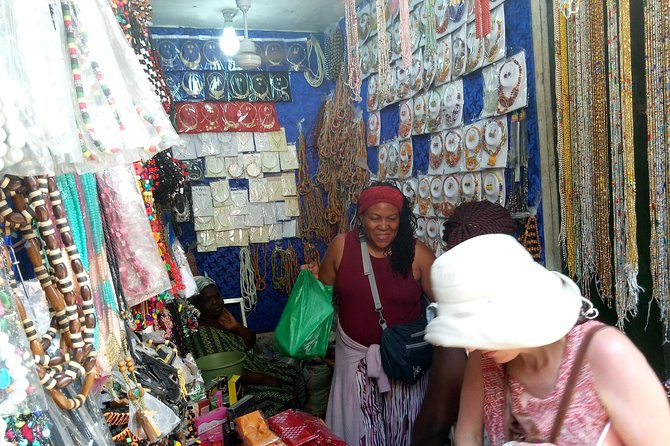
Makola Market is where bargaining is part of normal life. The tour does not promise miracle discounts, but the guided approach can help you shop smarter.
Here’s what works in real life:
- Ask what something is used for, especially for food ingredients and specialty items
- Compare within the same section before you commit
- Tell your guide your budget and priorities, so they can take you to the right stalls quickly
- Use your guide to negotiate if you feel stuck, since guides like Ben have helped negotiate in practical ways
If you want specific items, your best move is to say so early. One experience strongly suggested being clear on what you want so the guide can take you to the right part of the market instead of spreading your time out too thin.
Also remember that Makola is not about buying one perfect souvenir. It’s about seeing categories of goods and making decisions within that flow. The tour’s value is that it compresses that learning into a short walk.
And don’t ignore the small comfort details. Water is included, so you can plan short sips during the busiest parts. That might sound minor, but it makes the difference between enjoying the walk and feeling worn down.
Price and Timing: Is $58 Worth a 2 to 3 Hour Walk?
At $58 per person for a 2 to 3 hour guided market walk, the value depends on your style.
If you enjoy markets and you want structure, it’s usually a good deal. You are paying for two things: time saved and meaning added. Without a guide, you could spend hours wandering and still not know what section you just passed or how to ask the right questions. With a guide, you move through the market segments with context, and you can shop with more confidence.
If you only want a quick look and you hate crowds, you might feel the cost is too high. But if you want more than selfies, this is the kind of guided experience that turns a chaotic place into something you can actually understand.
For planning, think of this as a compact market education. Two hours gives you a solid overview. Three hours lets you push farther into extra sections like artisan and timber areas, or add Agblobloshie and the used clothing part. Your guide can help you decide what’s realistic based on your energy.
Also note that it is a private group and live guided in English. That usually means you can go at a pace that fits you instead of feeling like you are being herded.
Where It Ends: Back to Accra, Near Your Starting Point
You start from a meeting point that depends on your selected option. Your tour guide escorts you through the market and then you are returned to the meeting area to end the experience.
The booking details also list drop-off locations across the Accra Metropolis area and Accra Metropolitan Assembly. Practically, that means you should plan to be back in central Accra after the walk, ready for your next stop.
Because this tour is short, it pairs well with other Accra plans. Many people combine it with other guided experiences to fill a full day with context.
Should You Book the Makola Market Walking Tour?
I think you should book if you want a guided, category-by-category look at real Ghanaian commerce, from food ingredients to textiles and more. It’s especially worth it if:
- You want a local guide to help you navigate and interpret what you’re seeing
- You plan to shop but want help with direction and pricing conversations
- You like learning from real places, not only looking at them
You might skip it if you hate crowds, you strongly dislike negotiating, or you are looking for a calm, curated experience with minimal sensory intensity.
If you do book, wear comfortable shoes, bring small bills, and come with at least a rough shopping idea. Even a simple list helps your guide take you to the right parts faster. And if you get a guide like Ben or Prince, you’ll likely feel the difference right away in how quickly the market starts to make sense.
FAQ
How long is the Makola Market walking tour?
The tour runs for about 2 to 3 hours.
What is the price per person?
The price is $58 per person.
Is the tour private, and what language is the guide?
It is a private group tour, and the live guide speaks English.
What is included in the tour price?
Water and guiding services from a local expert are included.
Where does the tour start and end?
Pickup depends on the selected option. You will be returned to the meeting place to end the experience, and drop-off locations include Accra Metropolis and Accra Metropolitan Assembly.
What sections of Makola Market will we see?
You will tour multiple segments, starting with a food market area, then moving through sections such as oils, spices, fruits and vegetables, cosmetics, jewelry, textiles, pharmaceutical items, groceries, and electronics.
Can we visit Agblobloshie or the used clothing area?
Agblobloshie can also be visited, and the used clothing line called Broni wawu or bend-down boutique is included in the tour route. These can depend on time and energy.
Can the guide help with shopping and negotiating?
Yes. The tour includes shopping, and the guide can help you navigate the market and negotiate prices when needed.
What’s the cancellation policy and can I reserve now and pay later?
You can cancel up to 24 hours in advance for a full refund. You can also reserve now and pay later, keeping your plans flexible.
More Shopping Tours in Accra
- Private Accra Market Tour
★ 5.0 · 10 reviews - Accra Street Food Tour: Makola Market Tour With Full Lunch
★ 4.1 · 9 reviews - Accra Street Food Tour: Osu Night Market Tour Experience
★ 4.7 · 8 reviews - Accra, Ghana Guided Local Market Tour
★ 5.0 · 6 reviews
Newly reviewed around Accra
- Private Slave Castles and Dungeons Tour in Cape Coast, Ghana★ 5.0 · 3 reviews
- Day Tour to Kakum National Park, Cape Coast and Elmina Castles★ 5.0 · 3 reviews
- Half-Day Guided Fabric Tour in Ghana★ 5.0 · 3 reviews
- Cultural Tour Of Ghana And South Africa 12 Days★ 5.0 · 3 reviews
- Cape Coast Day Tour★ 5.0 · 3 reviews
- Experience the Culture of Ashanti Kingdom in 5days★ 5.0 · 3 reviews
- Full Day Accra Guided Tour★ 5.0 · 3 reviews
- Experience Aburi Botanical Gardens And Boti Water Falls In A Day.★ 5.0 · 3 reviews
Markets, compared.

Accra Street Food Tour: Makola Market Tour With Full Lunch
Read our review →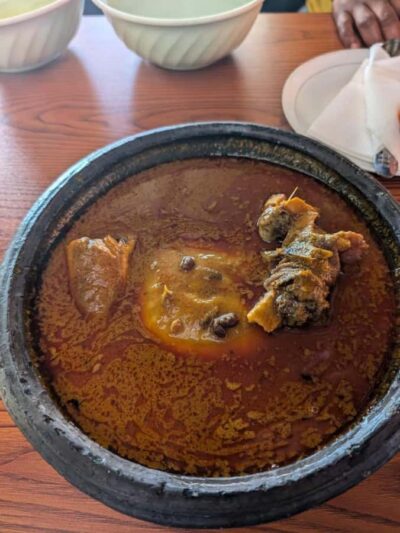
Accra Street Food Tour: Osu Night Market Tour Experience
Read our review →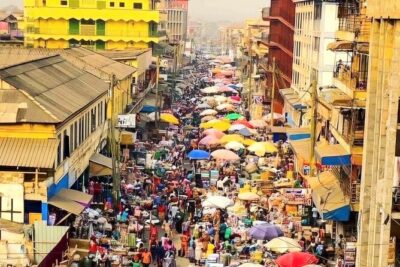

Browse the lists this tour appears in