

Reviewed · COOKING CLASSES
Home Cooking Class by Auntie K
This is the kind of activity that turns food into a real, practical story, because you cook at Auntie K’s home instead of in a classroom. I love that the teaching is hands-on, including grinding and blending with a pestle and mortar rather than relying on a blender. I also love the ingredient workflow, because you may get to pick supplies in a local market before you start cooking.
One consideration: the experience can vary from fully hands-on to more of a demonstration, and a few people noted that the cooking setup can be outdoors with other activity around in the yard. If you want zero watching and 100% cooking at every step, go in with that expectation in mind.
Key highlights before you go
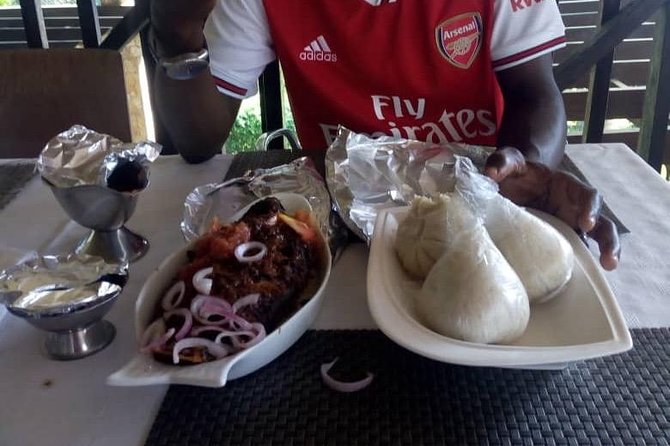
- Private home setting with a family-style vibe led by Auntie K and her team
- Charcoal cooking and manual spice blending, including pestle and mortar technique
- Optional market stop to buy foodstuffs for your meal
- Classic Ghanaian dishes like jollof rice, kelewele (spicy plantains), and soup pairings such as fufu
- Dietary/spice adjustments reported by multiple diners, including low-spice requests
- Big meal payoff, with lots of food and time built into the cooking day
Where You Meet in Osu and What That Means for Your Day
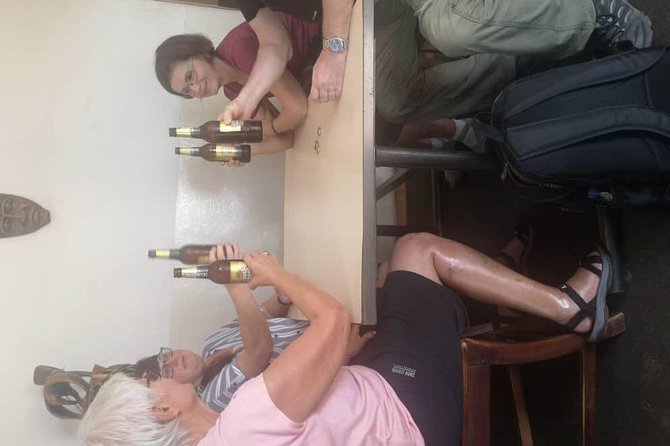
You start at CLUB 69 in Osu (La Crescent), Accra. That matters because Osu is one of the easiest areas to base yourself in, especially if you are already moving around town by foot, rideshare, or public transport.
The class is scheduled within a morning window (listed opening hours are Monday to Saturday from 9:00 AM to 12:00 PM), but the actual cooking block can run longer. The experience is described as about 5 hours overall, and the cooking time is often 3 to 6 hours depending on group size.
Also note that this is a private tour/activity, meaning it is only your group in Auntie K’s home kitchen. That usually translates into more flexibility, more questions, and less waiting around. The flip side is that if your group is larger, the pace may feel slower, since everyone’s prepping and cooking time has to share the same space and tools.
A few more Accra days to weigh up
- Local Ghanaian Cooking Class in Accra to help support wellness community center
★ 4.5 · 22 reviews - Authentic Ghanaian Cooking Class in Accra
★ 4.5 · 11 reviews - Authentic Ghanaian Cooking Lessons and Take Out Services.
★ 5.0 · 9 reviews
Choosing Between the Optional Market Run and Straight-to-Cooking
One of the genuinely useful parts of this class is the option to stop at a market to buy the foodstuffs. If you do it, you get to see the ingredients before they become dinner, and you end up learning what matters for flavor and texture.
Why I like this as a decision: the market option turns your day from just learning recipes into learning how Ghanaian kitchens actually source basics. It also gives you something to do right away, which helps if you prefer your first hour of a tour to be active rather than waiting.
If you skip the market stop, you will likely jump faster into prep. Either way, the big idea is the same: you are not working from a boxed mix. You are working with real ingredients that show up in Ghanaian dishes like jollof rice, soup, and sides and mains such as grilled chicken or grilled fish.
The Real-Deal Cooking Setup: Pestle and Mortar, Charcoal, and No Shortcuts
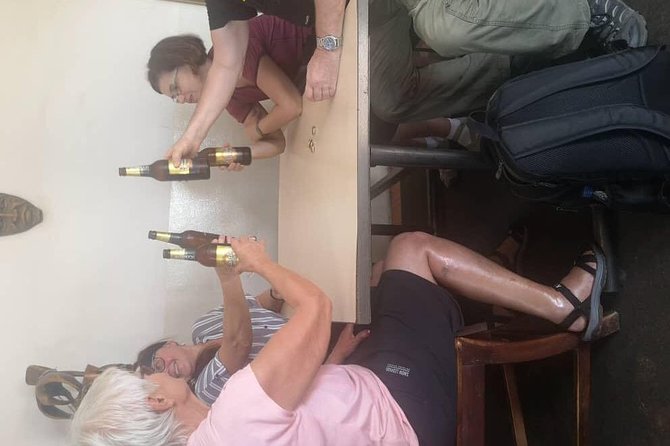
This is not a blender-and-batter class. Multiple people highlighted two signature techniques:
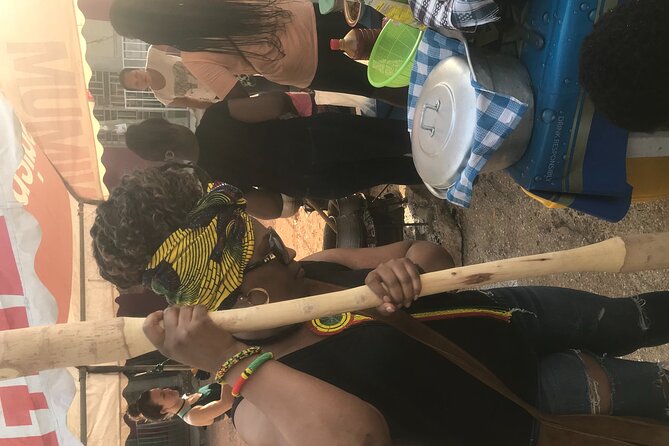
First, you will use a pestle and mortar to blend veggies and spices. That means you get practice with texture, not just taste. When you mash and grind by hand, you can feel when things turn smooth versus when they still have bite. That’s the kind of detail that makes your food closer to what you eat in Ghana, and easier to recreate later.
Second, you cook over a charcoal cooking stand. Cooking over charcoal changes the whole rhythm. Heat management matters, and you will likely feel how fast or slow things cook depending on the flame and the pot placement. It is also one reason the class feels more “real kitchen” than “demo kitchen.”
In the reviews, people specifically described challenges and satisfaction from things like making fufu (it is work), plus the classic arm-muscle tasks like peeling, chopping, and seasoning. So if you are the type who likes to be involved, this setup is a good match.
What You’ll Cook in Accra: A Menu Built Around Familiar Favorites
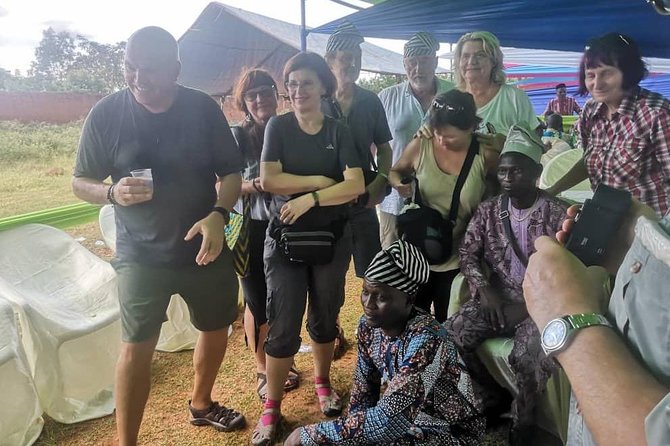
The menu rotates, but there are several dishes you should strongly expect to see. The overall class summary mentions jollof rice, soup, and dessert. The specific dish list in the feedback expands that with options like kelewele, goat soup with fufu, sauteed veggies, and grilled chicken.
From the experiences shared, here are dishes that commonly show up:
- Jollof rice, often paired with other dishes for a full plate
- Kelewele (spicy plantains), praised as a standout for flavor
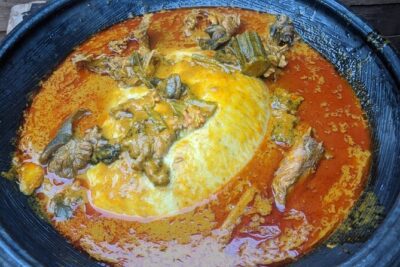
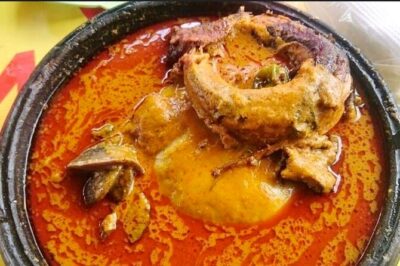
- Goat soup with fufu as a classic pairing
- Banku, mentioned as part of the meal in at least one experience
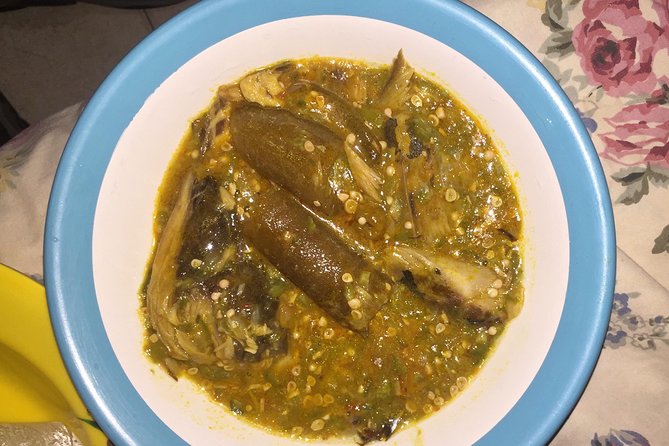
- Okra and fish stew, for that slow-simmer Ghanaian comfort feel
- Grilled fish and sometimes grilled chicken
- Vegetable sides such as sauteed veggies
- Dessert, included in the class concept (the exact dessert was not specified)
The teaching value here is that you are not just watching one dish. You get multiple components: starch, sauce, protein, and heat elements like spicy plantains or seasoned stews. That matters because Ghanaian food is often about how the parts work together, not just one recipe.
A slower Accra day, if you have one spare:
- The Cape Coast Day Tour
★ 5.0 · 525 reviews - Experience the Beauty, History and the Culture Of Accra in a Day
★ 5.0 · 323 reviews - The Cape Coast Tour
★ 5.0 · 177 reviews - From Accra: Cape Coast, Elmina Castle & Kakum Park Day Tour
★ 4.6 · 144 reviews
Lunch Results: What You Actually Eat After the Cooking
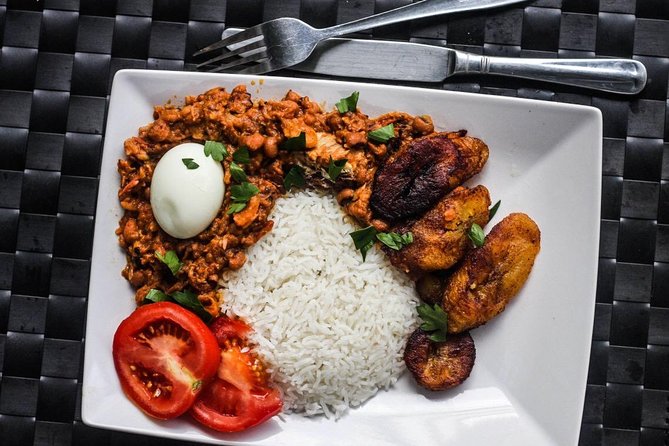
This experience is built around the idea that you cook, then you eat what you make for lunch. That is not a small detail. Many food tours hand you a snack and call it a day. Here, people repeatedly emphasized that they ate well and left full.
In multiple accounts, people described meals as plentiful and satisfying enough that they went back to their lodging satisfied and ready to rest. One person even noted taking notes and then trying a recipe later at home, which is a nice sign that the class gives you enough structure to repeat the flavors.
Also, the class includes homemade cooking with lunch, so you are paying for both instruction and the meal you will eat. When you compare that to paying for a normal restaurant meal, the cost starts to make more sense, because you are getting a full food day, not just a plate.
How the Teaching Feels: Family Warmth, Real Questions, and Spice Control
A big part of the appeal is the tone. People described Auntie K as welcoming, experienced, and generous with explanations. In the feedback, names that came up include her assistant Deborah (sometimes spelled Debra) and additional family members like Auntie Mary and Nicole assisting during the session.
Why that matters for you: if you have dietary needs or spice preferences, this is where the class can be especially helpful. Several accounts specifically mention spice level adjustments and accommodating dietary restrictions. One person even pointed out they kept things low spice.
At the same time, there is a variation in how hands-on the class feels. Some experiences were described as fully active, while one critical note said it leaned more toward demonstration, with sorting tasks and then watching. That does not mean every class is the same, but it does mean you should come ready to participate and ask early how involved you will be.
My practical advice: when you arrive, tell Auntie K what level of participation you want, and whether you need low spice or specific dietary changes. This kind of private setting usually makes those conversations possible.
Private Class Logistics That Affect Comfort (AC, Weather, and Outdoor Setup)
Two logistics details can shape how comfortable your day feels:
First, air-conditioned vehicle is not included. That sounds minor, but Accra heat can be real. If you are sensitive to heat, plan for it. Wear breathable clothing and bring a light layer, especially if you are walking or waiting outdoors.
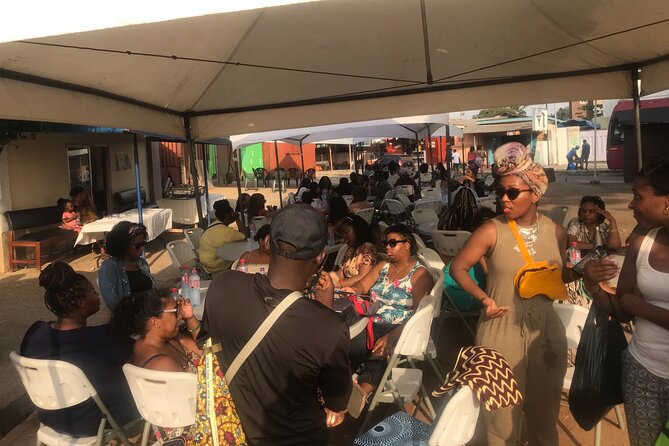
Second, the experience requires good weather. That means plan for possible weather-based date changes. Also, based on feedback, the cooking can happen in the front yard area, which can mean other people moving in and out nearby. That is part of a home setting, but it is also something to know if you are expecting a secluded, studio-like space.
If you prefer quiet and controlled conditions, this might not feel like a perfect match. If you like the energy of a real home and community space, it can feel lively and memorable.
Price and Value: Does $89 Buy Enough to Be Worth It?
At $89 per person, you are paying for a private home experience, cooking instruction, and a lunch built from the dishes you make. Whether it is a great value depends on what you want out of the day.
Here’s how I would judge the value:
- If you want to learn technique, not just taste food, this price starts to make sense because you are working with tools like pestle and mortar and cooking over charcoal.
- If you are hungry for a full meal, the class concept is designed around eating well, and multiple accounts described big portions.
- If your priority is only to sample Ghanaian food quickly, you could find cheaper meals. But you would miss the teaching, the market option, and the chance to cook.
The private part is the multiplier. In a group class, you might wait your turn for cutting boards and tools. In a private setting, you can generally expect more attention and more time to ask questions. That is what makes the price feel fair rather than expensive.
Who Should Book This Class, and Who Might Want Another Option
This class is a great fit if you:
- Want hands-on cooking with real techniques, especially spice blending and charcoal heat
- Like learning how ingredients are sourced, especially if you choose the optional market stop
- Prefer a welcoming home atmosphere with the kind of personal interaction where you can ask questions
- Need spice control or dietary accommodations, which have been reported in the feedback
It may be less ideal if you:
- Want a strictly structured, classroom-style cooking process where you control every step with no watching at all
- Dislike outdoors cooking areas with other household activity nearby
- Are short on time and cannot handle a day that can stretch toward the longer end of 3 to 6 hours for the cooking portion
Should You Book Auntie K’s Home Cooking Class?
Book it if you want your Accra day to be practical, food-focused, and teachable. The strongest reasons to choose it are the cooking methods (hand blending and charcoal), the private home vibe with Auntie K and her team (including helpers like Deborah), and the fact that you eat a real lunch, not just a small sampling.
Skip it or consider another style if you are expecting a fully choreographed cooking workshop with zero gaps. The experience can tilt toward demonstration depending on how the day is flowing. If you care about being hands-on at every stage, communicate that early, and choose the option that maximizes participation for your group.
FAQ
FAQ
Where is the meeting point for the cooking class?
You start at CLUB 69, Osu La Crescent, La Crescent, Accra, Ghana.
How long does the class last?
The experience is about 5 hours. The cooking portion is typically between 3 and 6 hours depending on the number of people.
Is the market stop included?
The market stop is optional. Sometimes you will meet and go to the market to buy foodstuffs for the class.
Is this a private class?
Yes. It is a private tour or activity, meaning only your group participates.
What dishes do you cook and eat?
The class centers on Ghanaian dishes such as jollof rice and soup, and the experience may include items like kelewele (spicy plantains), goat soup with fufu, sauteed veggies, grilled chicken, grilled fish, banku, okra and fish stew, and dessert.
What if weather is bad or plans change?
The experience requires good weather. If it is canceled due to poor weather, you will be offered a different date or a full refund. For refunds on cancellations, you can cancel up to 24 hours in advance for a full refund.
Newly reviewed around Accra
- Private Slave Castles and Dungeons Tour in Cape Coast, Ghana★ 5.0 · 3 reviews
- Day Tour to Kakum National Park, Cape Coast and Elmina Castles★ 5.0 · 3 reviews
- Half-Day Guided Fabric Tour in Ghana★ 5.0 · 3 reviews
- Cultural Tour Of Ghana And South Africa 12 Days★ 5.0 · 3 reviews
- Cape Coast Day Tour★ 5.0 · 3 reviews
- Experience Aburi Botanical Gardens And Boti Water Falls In A Day.★ 5.0 · 3 reviews
- Experience the Culture of Ashanti Kingdom in 5days★ 5.0 · 3 reviews
- Full Day Accra Guided Tour★ 5.0 · 3 reviews
Cooking Classes, compared.
Local Ghanaian Cooking Class in Accra to help support wellness community center
Read our review →
Authentic Ghanaian Cooking Lessons and Take Out Services.
Read our review →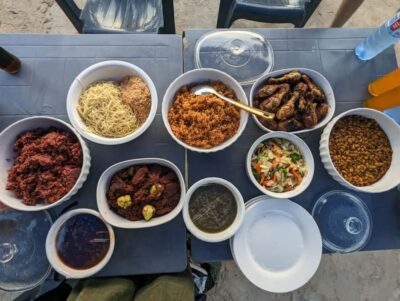
Browse the lists this tour appears in