
Reviewed · COOKING CLASSES
Local Ghanaian Cooking Class in Accra to help support wellness community center
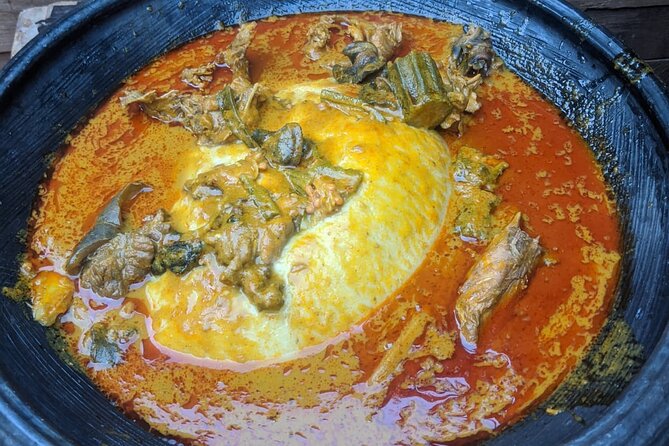
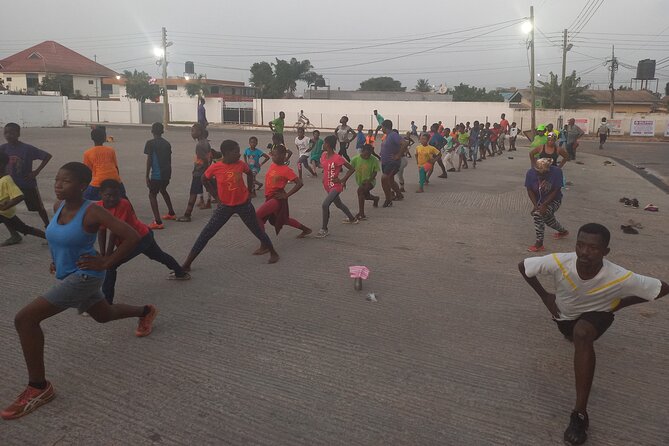
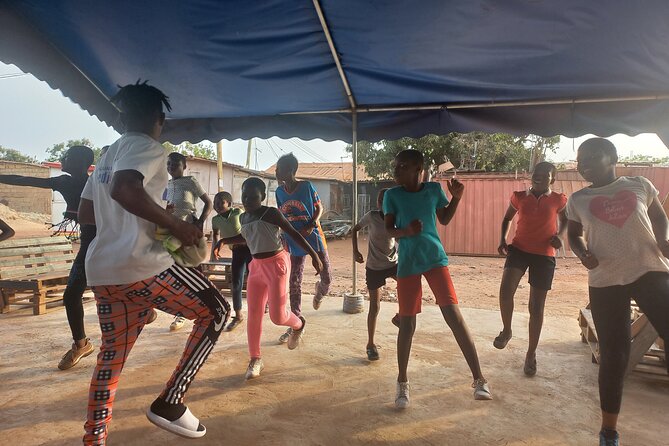
This Accra cooking class is interesting because it mixes real food skills with a community mission you can taste. You start with a local market run for your ingredients, then you cook Ghanaian staples and soups, with small-group attention and time to chat. Booking this class also supports the Wellness Community Center, which runs physical activity, nutrition education, after school lectures, health screenings, plus art and dance programs.
I love the market-to-meal flow, because shopping for ingredients in the neighborhood makes the cooking feel grounded, not like a demo. I also love the practical focus on staples such as banku and fufu, plus stew and soup choices, with plenty of back-and-forth so you learn what matters. One possible drawback to consider is that some classes may feel less hands-on than you expect, since some ingredient prep might already be done when you arrive.
Key points to know before you go
- Market shopping first, so you understand what goes into your meal before you start cooking
- Small group setup for more attention while you’re pounding, stirring, and tasting
- Local spirits included (Emergency, Hatso, Uwuba), made from akpeteshie and soaked with bark or tree leaf
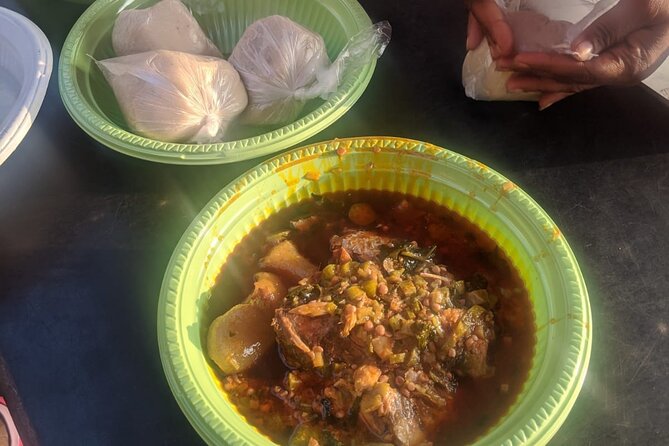
- Multiple soup choices like oakra, groundnut, palm-nut, light soup, or plain soup
- Donation with receipts, your booking supports a wellness center running health and youth programs
- Flexible dietary requests by request, if you contact ahead of time
From Global Wellness Mission to Accra’s market street
Your morning begins at Global Wellness Mission, CM7, Third Oloti St, Accra. From there, you’ll ride by car to the local market to buy ingredients for the dishes you’ll cook later. The class ends back at the same meeting point.
This start time matters. It’s offered in the morning window, Monday through Saturday, with opening hours listed from 8:00 AM to 12:00 PM. So you should plan for a lively start and a full morning meal.
The class is capped at a maximum of 20 people, which is big enough to feel social but small enough for you to actually ask questions. In real life, that can be the difference between watching someone cook and learning how to do it yourself.
A few more Accra days to weigh up
- Home Cooking Class by Auntie K
★ 5.0 · 62 reviews - Authentic Ghanaian Cooking Class in Accra
★ 4.5 · 11 reviews - Authentic Ghanaian Cooking Lessons and Take Out Services.
★ 5.0 · 9 reviews
Why the ingredient walk feels more real than a kitchen demo
The market stop is where this class becomes more than a cookbook session. You’re collecting ingredients for your meal, not just standing in a row while someone else handles everything. That changes your perspective, because you notice ingredients you might never buy on your own.
You also get a chance to talk with the people running stalls and moving goods. In the best versions of this experience, you’re not only shopping, you’re learning how locals think about food and timing.
There’s also a practical benefit for your future cooking. Once you know what you bought and why it’s used, you’re more likely to remember the steps at home, even if you need substitutions.
One caution: markets can be active, so wear shoes that can handle a bit of walking. If you’re sensitive to crowds, go in with patience. This part is the energy check for the whole morning.
Pounding fufu and learning banku, jiji, and rice balls
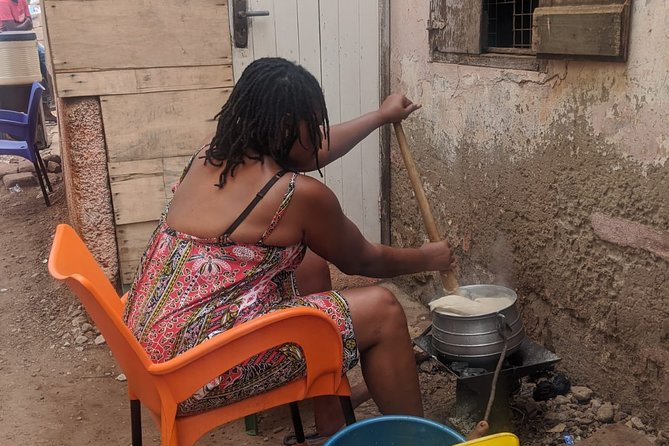
When you return from the market, the class shifts into hands-on production. You’ll learn how to pound staples such as fufu and banku, and you may also work with jiji or rice balls depending on the group flow and menu decisions.
This is the heart of the skill. If you want a meal you can explain to friends at home, this is where you practice the techniques that make Ghanaian staples feel distinct. And you’ll quickly understand why these foods are often made with care and muscle power.
In past experiences connected to this class, hosts like Ms. Gifty and Auntie Irene have been praised for teaching with warmth and clarity. Other names connected to the experience include Ms Pat, plus Pat and Maggie as the listed providers. In practice, that often means you get family-style guidance, not just a scripted lesson.
Skill level note: you do not need to be a home cook. But you should be ready to get a little hands-on. If you’re expecting a perfectly choreographed, every-step-from-raw-to-finished process, keep in mind that some ingredients may already be prepped when you start.
Picking your soup or stew, and tasting what changes the meal
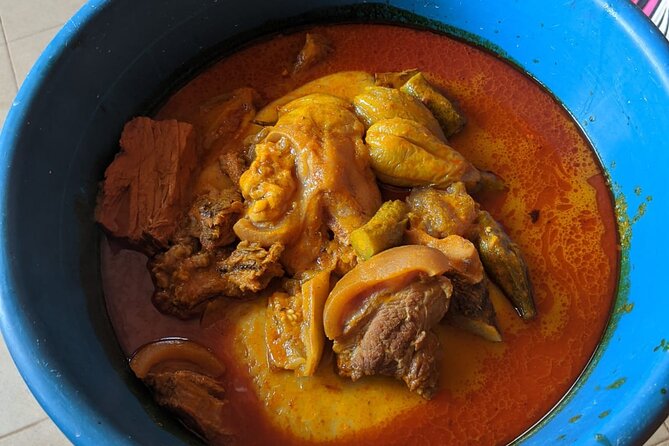
After your base steps, you’ll decide on the stew or soup you want to make. The options listed include oakra soup, ground nut soup, palm-nut soap, light soup, or plain soup.
This is smart menu design. In many cooking classes, you pick one dish and that’s the whole show. Here, you’re choosing the heart of the flavor while still learning staple technique alongside it.
Oakra soup is the one many people come hungry for, especially if you like thick, satisfying textures. Ground nut soup is a comfort-food style choice that leans into richness. Palm-nut soap, light soup, and plain soup give you different routes to understand how Ghanaian cooking balances depth, heat, and body.
When the soup and staple come together, you’ll understand why people keep mentioning the combos. In one strongly positive experience, the person highlighted jollof rice as the best they’d had and loved the range of foods taught, including fried fish and chicken. That points to how varied the end result can be, based on what the host is guiding that day.
So ask questions while you’re cooking. What makes one soup different from another? What do you watch for in thickness? Those answers are what you’ll take home.
A slower Accra day, if you have one spare:
- The Cape Coast Day Tour
★ 5.0 · 525 reviews - Experience the Beauty, History and the Culture Of Accra in a Day
★ 5.0 · 323 reviews - The Cape Coast Tour
★ 5.0 · 177 reviews - From Accra: Cape Coast, Elmina Castle & Kakum Park Day Tour
★ 4.6 · 144 reviews
Local spirits with meals: Emergency, Hatso, and Uwuba

A signature part of the experience is the chance to sip local spirits when you’re back from the market. The spirits listed are Emergency, Hatso, and Uwuba, made from akpeteshie, soaked with local bark or tree leaf.
This is not a random party add-on. It’s tied to local food culture, and it also sets the tone for conversation. You’ll likely taste in a relaxed, social way while you’re transitioning from buying ingredients to actually cooking.
Practical point: alcohol is included, but sodas or beer are not. If you want soda with your meal, you may need to plan for it since it isn’t listed as included. Also, take it at your pace, especially if you’re doing hands-on pounding and stirring after tasting.
If you prefer to skip or limit alcohol, communicate that early. The class includes local spirits, but how it’s handled in your specific session is something you can clarify with your host ahead of time.
Lunch, conversation, and why the small-group size matters
Lunch is included. That means you’re not only learning, you’re also eating what you made at the end of the session. Good conversation is part of the package, and the best sessions feel like you’re cooking with a family, not attending a show.
Small group size changes the vibe in a real way. With fewer people, the host can notice when you’re stuck on a step, when your mixture looks too thick or too thin, or when you need the technique repeated. It’s easier to ask, easier to correct, and faster to feel confident.
Many positive experiences emphasize the host and family warmth, plus the laughter and easy talk that keeps you comfortable. That matters more than it sounds. Cooking is physical and repetitive, and having a relaxed group reduces stress.
The other side of the coin is expectation management. One person noted that the experience felt less hands-on than they expected because some prepping was already done. That doesn’t mean it’s bad, but it does mean you should arrive ready to participate where you can, and be ready for a paced flow rather than a start-to-finish raw instruction for everything.
Value check: what you pay, what you get, and where it goes
The price is $45 per person, and it often gets booked about 36 days in advance on average. At first glance, that could sound like a simple local class. But the value is stronger when you look at what’s included and what your booking supports.
Your included items are lunch plus local alcoholic beverages, specifically local spirits. Not included are soda/pop and beer or soda. So if you want non-alcoholic drinks beyond water, you’ll likely need extra planning.
Then there’s the community piece. This class is explicitly linked to supporting the Wellness Community Center. That center provides physical activity programs, nutrition education, after school lectures for kids, health screenings, plus art and dance programs. If you care about practical, local impact that helps families week after week, this donation angle is a major part of the appeal.
For value, I also look at group size. With a maximum of 20 people, and a small group format emphasized, your money is more likely to translate into learning time, not just a seat at the counter.
If you want the cheapest option, this may not be it. If you want meaningful food education, plus a local mission, it’s a strong deal for the time you spend.
Practical tips to make your cooking class morning go smoothly

Here’s how I’d set yourself up for success with this kind of session.
First, arrive ready to get involved. You’ll likely be learning hands-on skills like pounding and shaping staples such as fufu, banku, and rice balls. Closed-toe shoes help. Bring a light layer if you get cold in shaded areas.
Second, tell the host about dietary requests when you book. Dietary requests can be accommodated upon request, so you should make that part of the conversation early. Don’t wait until the last minute.
Third, go in knowing you’ll taste local spirits. Emergency, Hatso, and Uwuba are included, and they’re made from akpeteshie soaked with bark or tree leaf. If you drink, pace yourself. If you don’t, clarify your comfort level before you begin.
Fourth, be flexible about timing. The duration is listed as approximately 6 hours. Some sessions may feel shorter depending on group flow, kitchen pace, and what you’re making that day. Keep your day after this morning clear.
Finally, keep your expectations aligned with how practical classes work. Some ingredients might already be prepped when you arrive. What you still learn is how the process comes together, how the staple texture should feel, and how soup consistency changes as it cooks.
Who this class suits best
This experience is a great fit if you want real Ghanaian food skills, not just a quick tasting. If you enjoy markets and want to understand ingredients before you cook them, you’ll get a lot out of the market segment.
It’s also ideal for wellness-minded travelers who like supporting a local institution directly. The Wellness Community Center programs are concrete and varied, from health screenings to youth education and physical activity.
If you’re traveling as a couple, you might especially like the conversation and group attention. Solo travelers also do well here because the talk tends to flow naturally during cooking and eating.
If you’re the type who needs every second to be intensely hands-on, you may want to ask in advance how prep is handled in your session. That single detail can shape your whole experience.
Should you book this Accra cooking class?
Book it if you want a morning with hands-on Ghanaian cooking, a market ingredient hunt, and local spirits, all tied to real community support. The strongest reason to go is the combination of food learning plus the Wellness Community Center impact, plus the small-group attention that makes teaching more personal.
Consider passing or asking extra questions if you’re expecting a fully raw, every-minute hands-on process with zero prep done ahead. One negative experience mentioned that the class was less hands-on than expected due to ingredient prep already being done.
My practical recommendation is simple: if you want to learn flavors and technique and you’re okay with a paced, local family style flow, this class is worth it.
FAQ
FAQ
Where do I meet for the cooking class in Accra?
You meet at Global Wellness Mission, CM7, Third Oloti St, Accra, Ghana. The activity ends back at the same meeting point.
How long is the experience?
The experience is listed at approximately 6 hours.
What is included in the $45 per person price?
Lunch is included, along with alcoholic beverages, specifically local spirits.
Are dietary requests accommodated?
Yes. Dietary requests can be accommodated upon request.
Are sodas or beer included?
No. Soda/pop and beer or soda are not included.
Can I cancel for a full refund?
Yes. You can cancel up to 24 hours in advance for a full refund. If you cancel less than 24 hours before the start time, the amount you paid will not be refunded.
Newly reviewed around Accra
- Private Slave Castles and Dungeons Tour in Cape Coast, Ghana★ 5.0 · 3 reviews
- Day Tour to Kakum National Park, Cape Coast and Elmina Castles★ 5.0 · 3 reviews
- Half-Day Guided Fabric Tour in Ghana★ 5.0 · 3 reviews
- Cultural Tour Of Ghana And South Africa 12 Days★ 5.0 · 3 reviews
- Cape Coast Day Tour★ 5.0 · 3 reviews
- Experience Aburi Botanical Gardens And Boti Water Falls In A Day.★ 5.0 · 3 reviews
- Experience the Culture of Ashanti Kingdom in 5days★ 5.0 · 3 reviews
- Full Day Accra Guided Tour★ 5.0 · 3 reviews
Cooking Classes, compared.

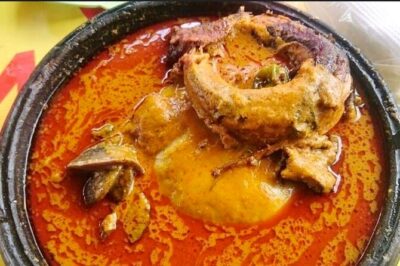
Authentic Ghanaian Cooking Lessons and Take Out Services.
Read our review →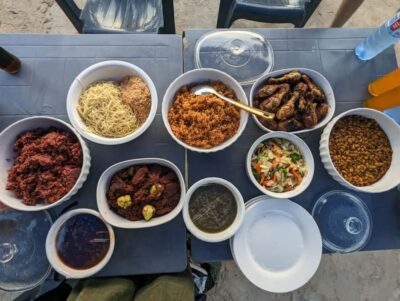
Browse the lists this tour appears in