
Reviewed · GHANA
Nature Thrills
This nature day trip out of Accra is interesting because it mixes three different kinds of Ghana in one 7 hour route: botanical gardens, cocoa history, and an easy hike to cool forest pools. I like how the day is built for walking, smelling, tasting, and looking slowly, not rushing from one photo spot to the next. It is the kind of outing that makes the city feel far away.
What I really like is the Aburi stop, which is more than pretty plants. The garden connects living species to real people and real eras, including historic figures like Sir Gordon Guggisberg and even mentions of Queen Elizabeth II and Prince Charles among the plantings. Second, I like the cocoa farm angle, especially seeing the chain from plantation work to fermentation, and learning why Ghana is known for quality cocoa.
One possible drawback: the day does include walking and a hike, so you need comfy shoes and light clothes, and you should expect some uneven ground near the waterfall area. If you prefer mostly flat, totally low-effort sightseeing, this might feel like more movement than you want.
Key things to know before you go
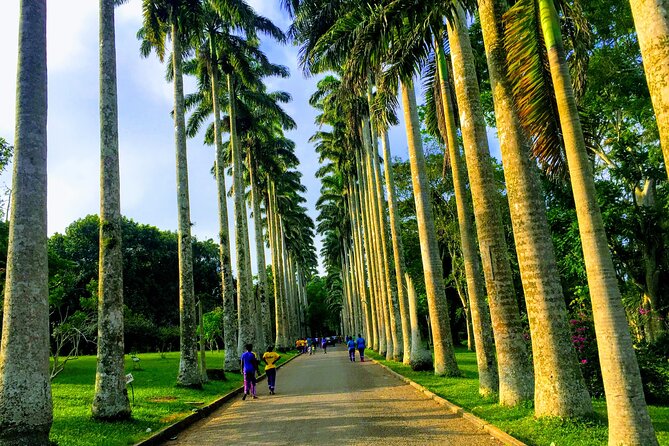
- Aburi Botanical Gardens opened in 1890, with plants from around the world plus species tied to famous Ghana and global figures
- Cocoa farm history focused on Tetteh Quarshie’s original plantings from 1870 and how beans go from farm to fermentation
- Adom Waterfalls is a short hike (about 20 minutes), with two sections and natural pools that are made for slowing down
- You will spend part of the day walking in gardens and farms, so wear shoes you trust
- This tour runs in English with guide support, and the guides I have seen praised for being friendly, organized, and photo helpful include Suwauba, Suwaiba, and Gian
Aburi Mountains reset: how this day tour changes your pace
If Accra is your energy right now, this outing is a reset button. You leave the city and head into cooler, greener Aburi Mountains territory, where the schedule is built around nature spaces you can actually move through. The vibe is not a fast city tour. It is a slow day outdoors where you stop to learn, pause to breathe, and then end at water where you can cool off.
I like that it is structured like a story: start with plants, then shift to agriculture, then land at a waterfall in a forest setting. You get context instead of just checkmarks. Even better, the Aburi Botanical Gardens and the cocoa farm are the kind of places where you can ask questions and get details back.
The day is also long enough to feel satisfying, but not so long that you feel ruined afterward. At 7 hours total, it is a realistic option for a single day without requiring you to restructure your whole trip. It is best if you enjoy guided explanations and you do not mind a little walking.
Still building the Aburi plan? These fit:
- Visit Aburi Garden, Tetteh Quarshie Cocoa Farm & Waterfall
★ 4.0 · 4 reviews
Aburi Botanical Gardens: plants, people, and why it matters
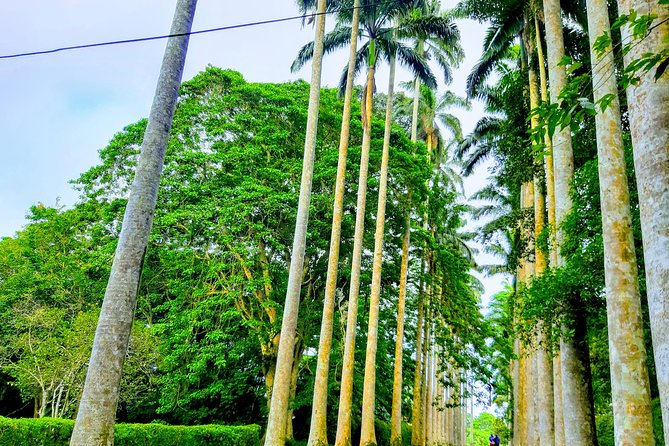
The Aburi Botanical Gardens are famous for a reason. They are not only a pleasant place to stroll. They also have an eco-minded purpose focused on protecting plant and animal species. The garden opened in 1890, and it shows how long people have been shaping and studying plant life here.
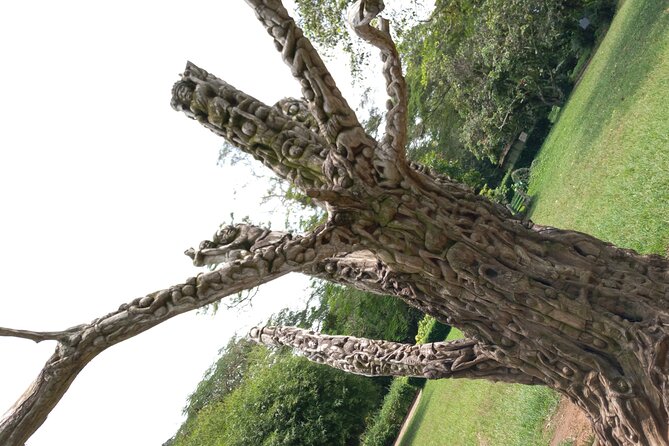
When you walk through, you are not just seeing greenery. You are seeing origins. The gardens include botanical plant species from different parts of the world. That alone is interesting because you can connect Ghana’s climate with what grows well there. But the more human detail makes it stick: the garden has plantings associated with historic leaders such as Sir Gordon Guggisberg, General Olisengo Obasanjo, H.E Jerry John Rawlings, and references that include Queen Elizabeth II and Prince Charles among the people linked to plant history.
You also get a practical theme for why gardens matter. Plants are discussed in terms of food, medicine, spices used in cooking, and beautification. In other words, this is not nature as decoration only. It is nature as a toolkit.
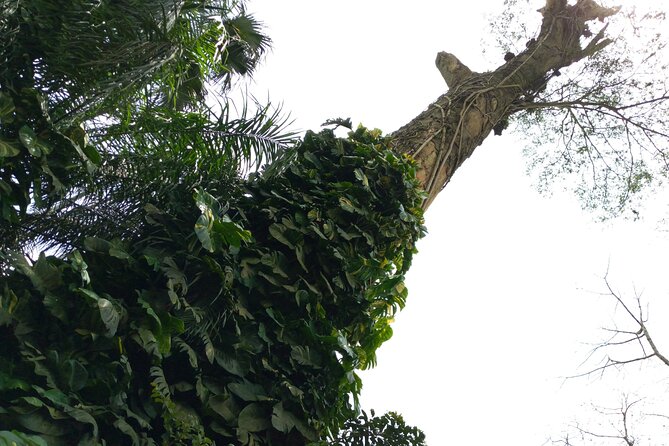
What to expect on your walk: you will spend around an hour sightseeing and moving through the grounds with a guided tour. You will likely have chances to step aside, look closely, and take photos when the light is good. In some cases, guides may even point out small, hands-on details like interesting plants or how pests and parasites affect trees. It is the kind of commentary that turns a stroll into a learning moment.
Tip: slow down on the garden paths. If you rush, you miss the point. Bring water, and wear breathable clothes so you do not feel sticky during the walk.
Tetteh Quarshie Cocoa Farm: Ghana’s cocoa story in real steps
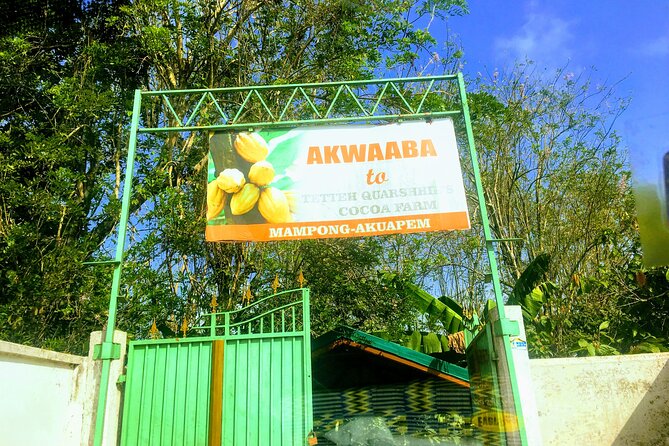
After the garden, the tour shifts from wild and planted species to a working agricultural landscape. The cocoa farm stop is one of the main reasons this itinerary feels grounded. It is tied to the start of cocoa cultivation in Ghana through Tetteh Quarshie, who planted cocoa there in 1870.
You visit the Tetteh Quarshie Cocoa Farm in Akuapim Mampong, and the focus is not only on cocoa pods. You are taken through the process in sequence, from planting and growing through harvesting. Then the tour moves into fermentation, which is crucial for developing chocolate flavor. That step matters because many people only think of cocoa as the pod and the bean. Fermentation is where the magic starts, and it is the part that explains why quality varies.
One reason this stop is valuable is that it turns a product into a chain of decisions. You can see that cocoa is labor, timing, and handling. You also learn the broader context: Ghana is known as a leader in quality cocoa, and second in quantity after Ivory Coast. That makes the farm feel less like a local curiosity and more like part of a national identity and export story.
You might also get small sensory moments that make the story memorable. In at least some guided experiences, you may encounter extra, guide-led tastings like unripe cocoa or spice notes such as cinnamon from bark. Some days include off-the-beaten-path viewpoints near the waterfall area too, so the day can feel a bit more personal than a strict script.
Practical note: the walk here is shorter, about 35 minutes, but it still happens on farm ground. Wear shoes with grip and expect some uneven patches.
Adom Waterfalls: what the hike feels like and where to relax
The waterfall stop is where the day becomes about cooling down. The hike is short, around 20 minutes, but it is a hike through forest and around natural terrain. The waterfall flows through a wooded area and runs on stratified rocks, which creates a cool, calm sensation as the water moves. That description matters because it hints at the sound and temperature you will feel. This is not a loud, chaotic spray zone. It is a more soothing waterfall setting.
Adom Waterfalls is in two parts: a lower section and an upper section. Each area feeds naturally formed pools where you can relax. That is why this stop can feel special even if you are not a big hiker. You are not just walking to see water. You are also walking to have a moment.
What I would plan for: comfortable shoes for the hike, light clothes, and ideally bring a swimsuit. Even if you do not swim, the option changes how you enjoy the pools. You can dip your feet, rinse off, or just sit in the cool air with your day slowing down.
A quick reality check: because the day includes walking and then a waterfall area, you want to manage your energy. Do not sprint at the start of the day, and keep some stamina for the final section.
Also, if you want better photos, this is the moment. The forest shade plus mist from the falls gives interesting lighting. And if your guide is like the ones known for photo advice, you will get direction on where to stand for the best views.
How the 7-hour flow works from Accra
The tour is designed as a single day loop that starts with pickup in Accra and ends back in Accra. Total duration is 7 hours, which is a solid length: enough time to enjoy all three settings without feeling like a rushed bus ride.
Transportation is included, along with hotel pickup and drop-off. That matters in Ghana because driving between areas can eat into your energy. Removing that stress is a real value, especially when your focus is nature.
The itinerary rhythm is simple:
- a garden visit and walk,
- a cocoa farm guided tour and short walk,
- then a hike and relax at Adom Waterfalls.
That rhythm is what makes the day work. It is variety without whiplash. The garden trains your eye for plants. The cocoa farm trains your eye for process and agriculture. The waterfall then gives you a sensory payoff with water, pools, and a calmer pace.
If you get motion sensitive, plan for some road time. The ride involves getting out of Accra and up toward the Aburi region. The routes can include bumpy dirt roads in places, so a skilled driver and a calm attitude help. In guided experiences, the driving skill has been praised for feeling safe even on rougher stretches.
Price and value: is $150 per person worth it
At $150 per person, the key question is what you are paying for. In this case, the list of inclusions is what justifies the price. Transportation is included, entrance fees are covered, and you get guide support plus the cost of activities tied to the day.
You are also getting three paid, guided stops in one route: botanical gardens, a cocoa farm tour, and a waterfall experience with guided hiking and sightseeing time. If you were to piece this together yourself, you would spend money on transport and likely on separate entry arrangements. You would also spend time coordinating guides and timing between stops.
Is it expensive? It depends on your travel style. If you love independent exploration, you might find ways to reduce costs by hiring a driver for the day only. But if you want a smooth, guided, story-connected day with someone handling the flow, $150 can feel fair.
The biggest tradeoff is what is not included. Meals are not included, and you do not have international airfare or visa and immunization coverage, and travel insurance is not listed as included. So you should budget for food and plan your water and snacks accordingly.
My take: if you want a guided nature day that ties plants to cocoa to a waterfall, without the hassle of logistics, this is a strong value.
Who this tour suits best, and who should think twice
This tour is a good fit for you if you like guided walks and you enjoy learning from local context, not just sightseeing. It suits families too, because the walking is present but not described as extreme, and the waterfall pools make it fun to slow down.
It is also a good fit for you if you care about food origins. The cocoa farm stop gives you a clearer picture of how Ghana’s cocoa works, especially the fermentation part.
You might want to think twice if you dislike hikes, even short ones. The waterfall area includes walking through forest terrain, so shoes matter. Also, if you are the type who wants a guaranteed meal included, note that meals are not listed as included, so you should plan for your own breaks.
Picking the right guide moment, and what to ask
A big part of the quality here is the guide. I have seen specific names associated with standout guiding such as Suwauba and Gian. The common theme in praise is friendly guidance, organized timing, and care for comfort during the ride and walks.
If you book, here are smart questions to ask your guide at the start:
- Which plants should I focus on first in the garden?
- What part of the cocoa process changes flavor the most, especially around fermentation?
- For the waterfall, what footwear works best on the hike path today?
- If there are any hands-on moments like tastings or close-up looks, when do you recommend we fit them in?
Guides often tailor how much you slow down for photos and explanations. The best days happen when you communicate what you want, easy pace or extra learning.
Should you book Nature Thrills?
Book Nature Thrills if you want a single day that blends three nature experiences with guided context: Aburi Botanical Gardens, Ghana’s cocoa farming roots tied to Tetteh Quarshie, and a short hike to Adom Waterfalls with pools for relaxing. The combination is what makes it feel more than a checklist.
Skip it or adjust expectations if you dislike walking or you want a day with no hiking at all. The day does include some movement, and the waterfall part is the most active section.
If your goal is to feel a real break from Accra, learn something tangible about plants and cocoa, and end the day cooling off in a forest waterfall setting, this is an easy recommendation.
FAQ
How long is the Nature Thrills tour?
The tour duration is 7 hours.
Where does pickup happen?
Pickup and drop-off are in Accra.
What does the tour include?
It includes transportation, fuel surcharges, entrance fees, guide support, the cost of activities in the itinerary, and hotel pick-up and drop-off.
What is not included in the price?
International airfare, visa fees and immunization, travel insurance, and meals are not included.
What stops are part of the tour?
You will visit Aburi Botanical Gardens, the Tetteh Quarshie Cocoa farm, and Adom Waterfalls.
Is the tour guided?
Yes. The tour includes guide support, with guided tours at each stop.
How much walking is involved?
There is some amount of walking through the park and farms, plus a hike to the Adom Waterfalls (about 20 minutes).
What should I bring?
Wear comfortable shoes and bring comfortable clothes. A swimsuit is preferable for the waterfall pools.
Is cancellation allowed, and how far in advance?
Free cancellation is available up to 24 hours in advance for a full refund.
Is this tour offered in English?
Yes, the host or greeter language is English.
Newly reviewed around Aburi
- Visit Aburi Garden, Tetteh Quarshie Cocoa Farm & Waterfall★ 4.0 · 4 reviews