
Reviewed · ASHANTI REGION TOURS
Kumasi: City Tour
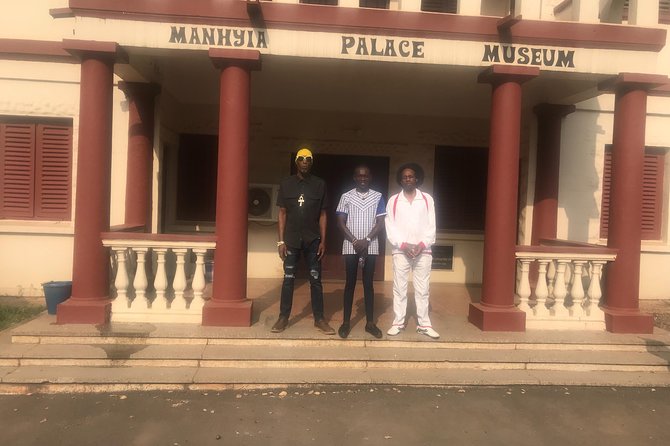
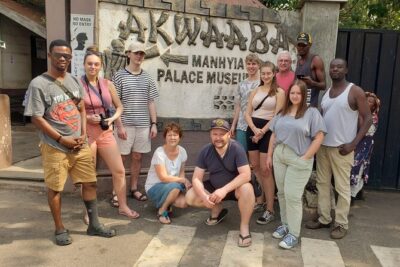
Kumasi has a special rhythm, and this city tour gives you a tight way to catch it, from royal Ashanti spaces to the big open-air market. I especially like how the day starts at the Manhyia Palace, so the rest of the sights make more sense as you go.
Next, I really like the hands-on feel of walking through Kejetia Market and then shifting into story-driven stops like the Okomfo Anokye Sword site and the museum. The main consideration is simple, you are on your feet for hours, so plan on comfy shoes and note it is not suitable for people with mobility impairments or for pregnant women.
Kejetia, Royal Ashanti, and the Sword Mystery, in One Half-Day
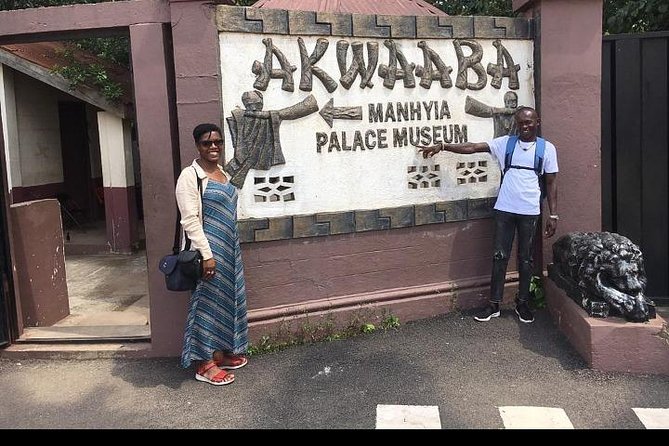
- Manhyia Palace context first, so you understand what you are looking at before you hit the market
- Kejetia Market walking time, giving you a real sense of daily life and trade in Kumasi
- Okomfo Anokye Sword site mystery, explained in a clear, guided way
- Cultural Center art stops, focused on local artisans and what they make
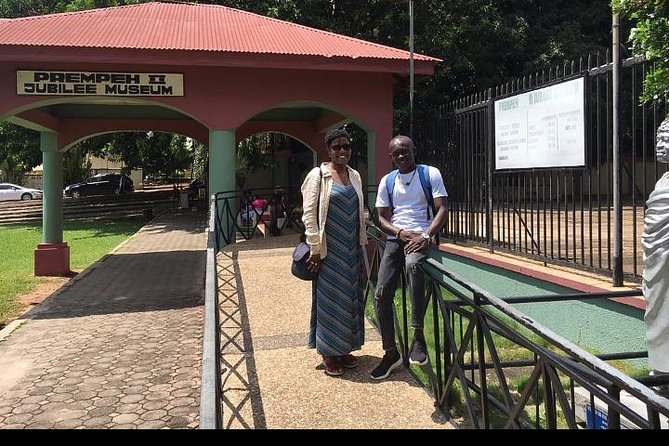
- Prempeh Museum as the payoff, with insight into how Ashanti people lived
Finding Your Pace at the Manhyia Palace Meeting Point
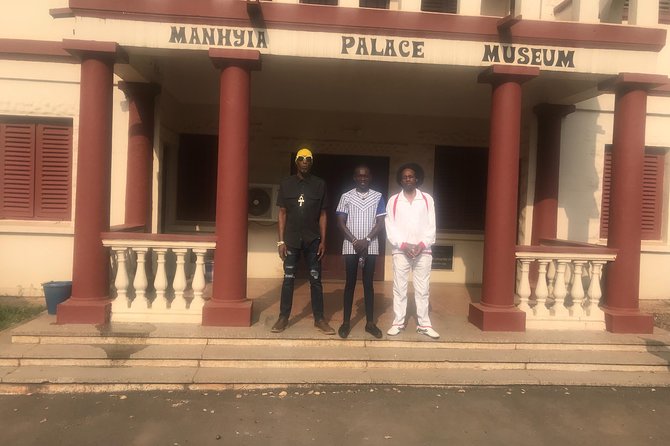
The tour is built around a straightforward meeting plan. You meet at the Manhyia Palace, which is also where the experience truly begins. If you like to get your bearings fast, this is a smart setup. You start with a central anchor, then everything else in Kumasi feels less random.
Once you meet your English-speaking guide, you jump into the story of the Ashanti kingdom right away. That matters because Kumasi is not laid out like a single tidy museum campus. It is a living city. Starting at a key cultural site helps you connect the dots between royalty, marketplaces, belief, and daily life.
This is also a good tour length for people who want a lot in 5 hours without feeling dragged from one location to the next all day. You will be moving through multiple stops, but the day is still compact enough to keep your energy.
More of the Ashanti region:
- Bonwire Namimg Ceremony and Kente Tourist Center
★ 5.0 · 40 reviews - Tour Kumasi City Like a Local
★ 4.5 · 34 reviews - Traditional naming ceremony For African Diasporas in Kumasi
★ 5.0 · 10 reviews
Manhyia Palace: Understanding the Ashanti Kingdom Before the Market
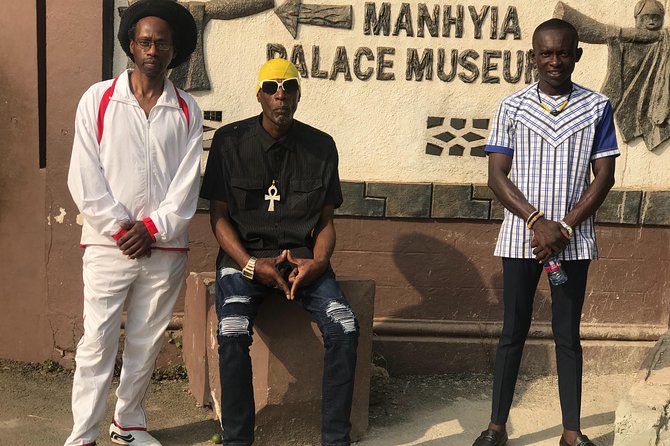
The first major stop is the Manhyia Palace, described as the seating area of the Ashanti kingdom. Even if you have only a little background before you arrive, the guide framing helps you see the palace as more than a photo opportunity. It becomes a starting point for how the Ashanti people organized leadership, identity, and authority.
I like this approach for a couple reasons. First, it keeps you from treating the rest of the sights like separate checklist items. Second, it gives you cultural context before you plunge into a busy place like Kejetia. When you walk into the market later, you are not just seeing activity. You are seeing the social energy of a city shaped by centuries of Ashanti life.
A practical note: your feet will get plenty of use during the day. If you are the type who needs time to pause and read every sign, give yourself a bit of patience. This tour moves at the speed of a guided half-day.
Kejetia Market Walk: The Big Open Market Side of Kumasi
After the palace, you walk through Kejetia Market and the central business area. This is where Kumasi feels most like Kumasi. You see commerce at full volume, with lots of people, goods, and everyday decisions happening right around you.
What I like about this stop is that it is not presented as a quick drive-by. The itinerary specifically includes walking through the market area. That gives you time to notice patterns, from how stalls are arranged to how people move and interact. You will also get the guide’s perspective on what you are seeing, which can turn a chaotic space into a readable one.
Possible drawback: markets can be visually intense. If you are sensitive to crowds or strong activity levels, plan to take short breaks. Keep water handy and expect your senses to work overtime. The good news is that the guide can help you filter what to look at first, so you do not end up overwhelmed.
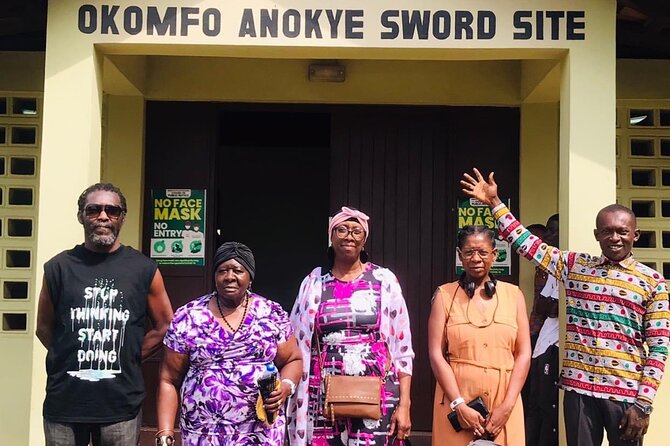
Okomfo Anokye Sword Site: Following the Story Behind the Sword
Next comes the Okomfo Anokye Sword site, with the focus on the mystery behind the sword. This is the part of the tour that feels more like a guided explanation than a standard sight stop. You are not just looking at a location, you are being walked through why it matters.
This kind of stop is valuable because it turns a famous name into something you can actually understand. Instead of leaving with only a landmark photo, you end up with a clearer picture of the significance tied to Ashanti belief and tradition. It is the kind of moment that makes the earlier palace visit feel connected.
Timing-wise, it is a natural midpoint before the tour shifts more fully into arts and museum learning. If you like your Ghana travel to be more than scenery, this is where the day gains meaning.
More Accra city days:
- Kumasi City Tour
★ 5.0 · 8 reviews - Kumasi City Tour
★ 4.5 · 7 reviews - Kumasi City Tour
★ 4.5 · 3 reviews - Accra Detailed City Tour
★ 4.5 · 118 reviews
Cultural Center: Art Works by Local Artisans
After the sword site, you head to the Cultural Center to admire art works by local artisans. This stop is a helpful contrast to the market. The market shows you how people live and trade. The Cultural Center shows you how people create and express.
I like that the itinerary is explicit about the focus being on arts and crafts. It keeps the visit from turning into a generic craft-shop stop. You are there to look closely at what local artisans make and how that ties to cultural identity.
If you enjoy meeting makers and paying attention to materials and craft details, you will get more out of this. Keep an eye out for the small things, the technique, the theme, the way designs reference tradition. Even if you do not buy anything, you can still treat it like a visual lesson.
Prempeh Museum: Ancient Ways and Everyday Ashanti Life
Your last stop is the Prempeh Museum, where you learn more about the ancient ways and how the people of the Ashanti kingdom lived. This is a great ending point because it turns the day’s themes into something you can slow down and absorb.
By the time you arrive at the museum, you have already seen:
- A royal seat, so you understand leadership and identity
- A major market area, so you understand daily social energy
- A sacred landmark, so you understand belief and mystery
The museum gives you a way to stitch those together. It becomes less about “what did I see” and more about “what did it mean.”
Practical tip for your visit: wear comfortable shoes and plan for standing and walking inside. The tour is 5 hours total, so you will still move through the museum with guidance, but you should expect enough time to make the stop feel real, not rushed.
Price and Value: Is $70 for a 5-Hour Kumasi Tour Fair?
At $70 per person for a 5-hour private tour, the value comes down to what is included. Here is what you get: entry tickets to all sites and all taxes. You also get a live tour guide in English.
That combination matters. Tickets and taxes can quietly add up on city tours, especially when multiple stops are included. By having those entry costs handled, you keep the day simpler. You are paying for your time, access, and the guide’s explanations.
What is not included is also important. Food and drinks are not included, and hotel pickup is listed as not included. So you should budget for a drink break and sort out how you reach the meeting point. The tradeoff is that you likely spend less time dealing with logistics and more time actually seeing the sights.
If you like private touring, this price also makes sense because you get a more tailored pace and a direct question-friendly guide interaction. This is a solid option if your goal is to cover Kumasi essentials in one focused half-day.
Who This Tour Fits Best in Kumasi
This tour is a good match if you want:
- A structured first visit to Kumasi
- A guided explanation of Ashanti culture, not just photos
- A blend of market life, royal context, sacred mystery, crafts, and museum learning
It is especially suited to people who appreciate clear sequencing. Starting at the palace and ending with the museum is a logical flow. It helps you absorb the story instead of sampling it randomly.
If you are traveling with limited time, the 5-hour length is friendly. If you want to slow down and linger for hours at one location, this may feel a bit fast. The itinerary is built for efficient coverage.
And do not skip this note: it is not suitable for pregnant women or people with mobility impairments. The tour includes walking through the market and moving between multiple sites.
Booking Smart: Making the Most of Your 5 Hours
A few small choices will make a big difference on a day like this:
- Bring water and drink regularly, especially around market areas
- Wear comfortable shoes, because you will be walking and standing
- Bring your passport or ID card, since that is specifically requested
- Plan to travel light so you can move easily through busy spaces
Because the tour is private, you can also use the guide time well. Ask questions that connect stops, like how royal life connects to market life, or why the sword site is explained as a mystery rather than a simple artifact. That is where the day can feel most satisfying.
Also note that the guide is English-speaking. If English is your comfortable language, you will likely get the most out of the explanations at each stop.
Should You Book the Kumasi City Tour?
I think this is a strong choice if it is your first time in Kumasi and you want a guided, story-driven half-day that hits the essentials. The lineup is well balanced, palace context first, market energy second, sacred mystery in the middle, crafts for cultural texture, then a museum finish.
Book it if you value:
- Context over random sightseeing
- A private, English-guided pace
- Multiple major stops without spending the whole day on transit
Skip it if you cannot handle walking and standing for hours, or if you prefer to travel at a slower tempo with minimal crowds. If your priority is one or two locations only, you might enjoy a more relaxed plan.
If you want a compact Kumasi experience that helps the city click in your mind, this tour is an easy yes.
FAQ
Where is the meeting point?
The central meeting point is Manhyia Palace, or the tour notes pickup from your destination.
How long is the Kumasi city tour?
The duration is 5 hours.
What does the $70 price include?
Entry tickets to all sites and all taxes are included.
Is hotel pickup included?
No. Hotel pickup is not included.
Are food and drinks included?
No. Food and drinks are not included.
What language is the tour guide?
The live tour guide speaks English.
What should I bring?
Bring water, a passport or ID card, and comfortable shoes.
Is the tour suitable for everyone?
It is not suitable for pregnant women or people with mobility impairments.
Newly reviewed around Kumasi
- Discover kumasi Tours★ 5.0 · 3 reviews
- Kumasi City Tour★ 4.5 · 3 reviews
- Kumasi Culture and Heritage Tours★ 4.5 · 3 reviews
- Full Day Tour with Traditional Naming Ceremony in Kumasi★ 5.0 · 4 reviews
- Traditional Naming Ceremony For African Americans In Kumasi★ 5.0 · 5 reviews
- One day tour at Kumasi★ 5.0 · 6 reviews
- Lake Bosomtwe Boat Cruisely and Kumasi City Tours★ 4.5 · 6 reviews
- Kumasi City Tour★ 4.5 · 7 reviews
Ashanti Region Tours, compared.

Bonwire Namimg Ceremony and Kente Tourist Center
Read our review →
Kumasi Heritage Tours And Naming Ceremony In A Day
Read our review →
Traditional naming ceremony For African Diasporas in Kumasi
Read our review →
Full-Day Tour to Ashanti Region, Kumasi and Ghanaian History
Read our review →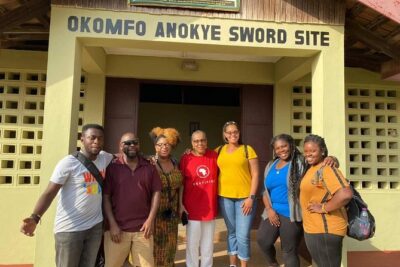
Browse the lists this tour appears in