
Reviewed · ASHANTI REGION TOURS
Kumasi City Tour
Kumasi has a knack for putting the Asante story right in front of you, and this half-day private tour is a neat way to do it without wasting time. You’ll move from a powerful legend tied to unity, to royal artifacts, and then into the daily pulse of Kejetia Market.
I love how the itinerary pairs big symbols with real objects. You get the Okomfo Anokye Sword Site plus the Manhyia Palace and Prempeh II museums, and you will see admissions are included at every stop.
One consideration: it runs about 4 hours with four fixed sights, so you should keep your schedule flexible and be ready for weather, since the experience requires good conditions.
Key Highlights You Should Care About
- Okomfo Anokye Sword Site: The famous sword planted for unity, with the legend that even Muhammad Ali could not uproot it.
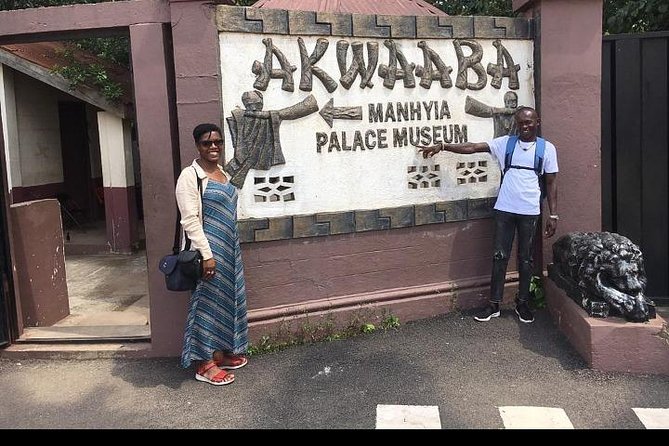
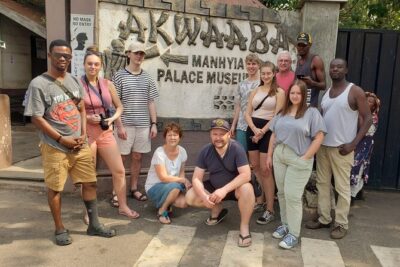
- Manhyia Palace Museum: A British-era building story turned into a museum, used by multiple Asante kings before 1996.
- Prempeh II Museum: Museum rooms shaped like a traditional Asante palace, plus displays like bath and kitchen set ups.
- A mysterious royal artifact: A bag associated with the legendary priest, described as made and kept unopened.
- Kejetia Market scale: Roughly 11,000 stalls and about 44,000 people visiting daily, with many traders being women.
- Private, practical touring: Pickup offered, mobile ticket, and private transportation with all fees included.
Why This Kumasi City Tour Feels Efficient (and Not Rushed)
This is one of those days that makes sense if you only have a half day in Kumasi. In about four hours, you hit four distinct places that cover belief, power, home life, and commerce. It is the kind of structured route that helps you get your bearings fast.
You’ll also like that it is private. That means the pace can work better for your group, and you are not stuck playing follow-the-leader with strangers. Pickup offered and a mobile ticket mean you spend less time guessing and more time looking.
The day has a clear rhythm too: each stop is about an hour. That gives you enough time to see what matters, without turning it into a marathon.
More of the Ashanti region:
- Bonwire Namimg Ceremony and Kente Tourist Center
★ 5.0 · 40 reviews - Tour Kumasi City Like a Local
★ 4.5 · 34 reviews - Traditional naming ceremony For African Diasporas in Kumasi
★ 5.0 · 10 reviews
Okomfo Anokye Sword Site: The Unity Legend in One Exact Spot
Your first stop is the Okomfo Anokye Sword Site, tied to the legend of how the Asante kingdom began and how unity was symbolized. The story here is specific: a priest planted a sword to help ensure unity among the Asantes and to start the kingdom.
This site is compelling because it is not an abstract history lesson. It is literally about one location that is treated as significant, and the legend adds a memorable detail. The information shared includes the claim that nobody has been able to uproot the sword, including the late heavyweight boxer Muhammad Ali.
What to do with that on-site context is simple: pay attention to what you are told about meaning, not just the object itself. When you understand the why, the site becomes more than a photo stop. It becomes a living explanation of how identity can be tied to a physical marker.
Potential downside? Because it is the first stop, you want to arrive ready to focus. If you start the day distracted, you might miss the backstory that gives the sword site its power.
Manhyia Palace Museum: When Colonial Compensation Becomes Asante Ownership
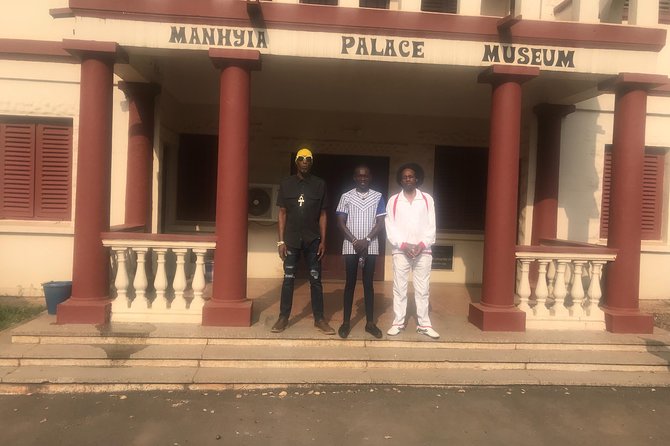
Next up is Manhyia Palace Museum, and this is where you see history pushed into architecture. The building is described as originally British-built as compensation after an Asante king returned from exile in Seychelles.
Then the story shifts in an Asante direction. The Asantes rejected the British offer of compensation, and instead made payment to the British before using the building as their palace. That twist matters, because it frames the museum not just as a collection of objects, but as a record of decisions and resistance.
The museum’s timeline also matters for how you interpret what you see. The information provided says three Asante kings used the building as their palace, and it was converted into a museum in 1996 by Otumfuo Opoku Ware II.
Here’s how I think about this stop as a visitor: museums can be either neat or meaningful. Manhyia works well because it is grounded in the place itself, not only in what is displayed inside.
If you want to make this hour count, ask yourself what kind of power a palace building represents. Then look for details that fit that idea, even if you cannot name everything on the wall. The architecture and the setting help do some of the explaining.
Prempeh II Museum: Royal Life in Rooms Designed Like a Palace
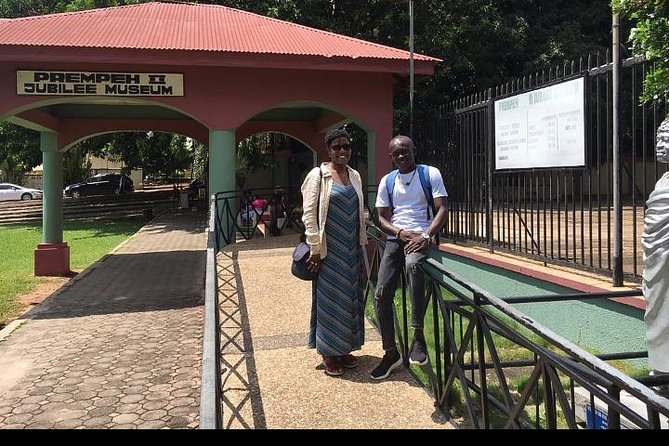
Prempeh II Museum, also described as the King Prempeh II Jubilee Museum, leans even more into the feel of royal daily life. The museum houses Asante items said to go back to the 16th century, and the plan is built to reflect traditional Asante palace design.
That palace-like design is one of the best reasons to include this stop. When a museum’s layout resembles the space it represents, the objects start making more sense. You are not just looking at items, you are imagining how they were used.
The displays highlighted include bath set ups and kitchen set ups, which is a smart choice if you want more than crowns and ceremonial pieces. It is easier to connect with royal life when you understand practical routines alongside high-status symbols.
There is also a mysterious element that gets attention: a bag associated with the legendary priest of the Asantes. The description says it is a mysterious bag the priest made for them, and that it is not open. That kind of unanswered or protected detail can actually make a visit more memorable, because it leaves space for curiosity instead of over-explaining everything.
One consideration: museum interpretation can vary depending on what you are most interested in. If you prefer only big outdoor monuments, this stop may feel slower. If you like objects, rooms, and the feel of place, Prempeh II is often the kind of stop people talk about after the tour ends.
More Accra city days:
- Kumasi City Tour
★ 5.0 · 8 reviews - Kumasi City Tour
★ 4.5 · 7 reviews - Kumasi: City Tour
★ 5.0 · 3 reviews - Accra Detailed City Tour
★ 4.5 · 118 reviews
Kejetia Market: A Giant Open-Air Snapshot of Daily Kumasi
Then you head to Kejetia Market, the biggest open-air market in West Africa according to the tour details. The scale is hard to ignore: about 11,000 stalls and around 44,000 people visiting every day. Most of the traders are women, which gives the market a clear human center.
This is the part of the tour that shifts from story and artifacts to everyday life. Museums explain what power and belief meant. Markets show what people need, trade, and negotiate right now.
What I like about placing Kejetia at the end is that it gives you a full-circle feeling. You start with a unity legend tied to kingdom beginnings. Then you learn about royal spaces and items. Finally, you stand in a place where thousands of people make the city function each day.
A practical note: markets can be crowded and noisy. Keep your expectations realistic. If you plan to shop, consider setting a small budget and decide in advance what you want to look for, so you do not lose time in a sea of choices.
Pace, Pickup, and How the Private Format Helps
This is designed as a half-day, about 4 hours total. Each stop is set for around an hour, so you will not spend your time waiting around for a long lunch break that is not included.
Pickup is offered, and the tour uses private transportation. For most people, that matters more than you think. It reduces friction, especially when you are trying to fit multiple sights into limited time in Kumasi.
There is also a practical tech element: you get a mobile ticket. That is helpful when you are moving quickly, and you do not want to juggle paper confirmations.
One feedback thread that stands out from real guest experiences is the value of seeing things using local transportation. In a city setting, that extra texture can make the day feel less like a checklist and more like Kumasi itself. You should still expect a private setup, but if you enjoy street-level realism, this style can be a plus.
Price and Value: What $65 Covers in Real Terms
The price is $65.00 per person, and it is private with all fees and taxes included. Admission tickets are included for every stop: the sword site, Manhyia Palace Museum, Prempeh II Museum, and Kejetia Market.
That inclusion is the core value point. It means you are not doing math on the fly, or worrying about separate entrance costs that inflate the final bill. For a half-day with multiple ticketed locations, that is a strong deal.
Think of it this way: you are paying for guided context plus private movement between four major stops. If you were to piece it together alone, you would likely spend more time coordinating transport and entry costs, and you would lose the interpretive layer that helps these places click.
You do not have to buy anything beyond the tour price. Personal shopping is not included, so if you want souvenirs or crafts, treat that as optional and plan for it.
Who This Tour Is Best For
This works especially well if you want Asante culture in a focused format. The sword site plus the two museum stops give you a good mix of belief, royalty, and objects. Then Kejetia Market adds the human scale of everyday commerce.
I’d also point out that this is a good choice for people who prefer a guide to help connect the dots. The explanations offered here matter, because a lot of what you see only lands fully when you understand the story behind it.
If you love museums and you like markets, you will probably feel satisfied without needing extra days. If you hate crowds, be a little cautious with Kejetia, since it is described as extremely high volume every day.
Should You Book This Kumasi City Tour?
Book it if you want a clean, half-day plan that hits major Asante sites with admissions handled and transportation included. The mix is practical: a legendary unity marker, two royal museums with palace-linked context, and a market that shows daily life at massive scale.
Skip it only if you want a lighter pace with lots of free time. This tour is structured, about 4 hours, four stops, about an hour each. If you like wandering without deadlines, you might feel mildly boxed in.
If your goal is to get real understanding of Asante symbols, royal spaces, and market life without turning your day into logistics, this is a solid bet.
FAQ
How long is the Kumasi City Tour?
The tour lasts about 4 hours.
How much does the tour cost per person?
It costs $65.00 per person.
Is pickup offered?
Yes, pickup is offered.
What ticket types do you get?
You receive a mobile ticket.
Are admissions included for the stops?
Yes. Admission tickets are included at each stop listed on the itinerary.
Is this a private tour?
Yes. It is private, and only your group will participate.
What is the cancellation policy?
You can cancel for a full refund up to 24 hours in advance. The experience also requires good weather, and if it is canceled due to poor weather, you will be offered a different date or a full refund.
Newly reviewed around Kumasi
- Discover kumasi Tours★ 5.0 · 3 reviews
- Kumasi Culture and Heritage Tours★ 4.5 · 3 reviews
- Full Day Tour with Traditional Naming Ceremony in Kumasi★ 5.0 · 4 reviews
- Traditional Naming Ceremony For African Americans In Kumasi★ 5.0 · 5 reviews
- One day tour at Kumasi★ 5.0 · 6 reviews
- Lake Bosomtwe Boat Cruisely and Kumasi City Tours★ 4.5 · 6 reviews
- Kumasi City Tour★ 4.5 · 7 reviews
- Kumasi: City Tour★ 5.0 · 3 reviews
Ashanti Region Tours, compared.
Bonwire Namimg Ceremony and Kente Tourist Center
Read our review →
Kumasi Heritage Tours And Naming Ceremony In A Day
Read our review →
Traditional naming ceremony For African Diasporas in Kumasi
Read our review →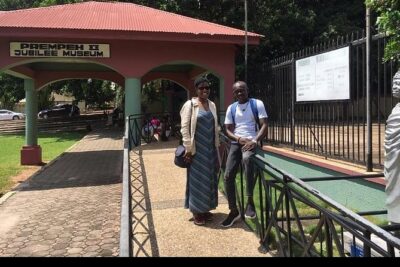
Full-Day Tour to Ashanti Region, Kumasi and Ghanaian History
Read our review →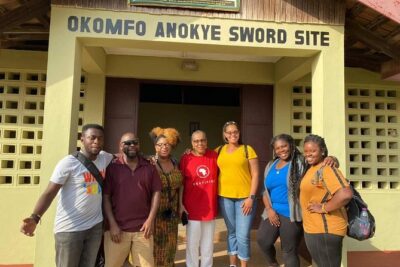
Browse the lists this tour appears in