
Reviewed · ASHANTI REGION TOURS
Lake Bosomtwe Boat Cruisely and Kumasi City Tours
Lake Bosomtwe is one of those places you instantly get, because the story is physical. A meteor impact millions of years ago left you with a crater lake, villages around the shore, and a calm enough mood that your brain finally slows down. This tour stacks that lake time with Ashanti landmarks and then adds horseback riding, so you get nature plus culture in one half-day-plus outing.
I especially like the private format, meaning you are not stuck with strangers setting the pace. I also like the included lunch and transfers, because it turns a long day into something you can actually enjoy without constant budgeting and guessing. One caution: the schedule depends on partners, and if the horseback stop gets squeezed or canceled because of timing, you may end up with less ride time than you planned.
Quick hits (what you will remember)
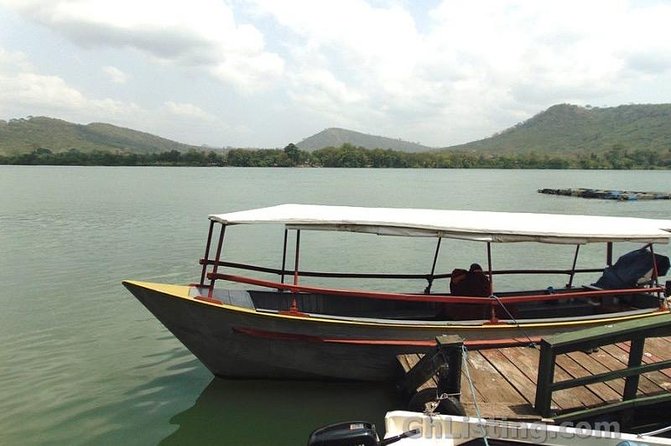
- Meteor-scarred Lake Bosomtwe by boat: a guided cruise with village views and plenty of time to relax.
- Ashanti royal sites, not just photos: Manhyia Palace Museum, Prempeh II Museum, and the sword site tied to the Golden Stool story.
- Okomfo Anokye Sword Site details: see the spot linked to Osei Tutu I and the belief that the sword cannot be removed.
- Kejetia Market first-hand energy: huge market area with thousands of stalls and a surreal-feeling walk.
- Horseback riding with local handling: guided riding at a stable before you head back.
- One ticket, many stops: air-conditioned round-trip ride from Kumasi plus entrances and guiding.
Price and logistics: what $185 buys you, and what to watch
At $185 per person for about 6 to 7 hours, the value is mostly in what they bundle together. You get round-trip transfers from Kumasi in an air-conditioned vehicle, entrance fees, bottled water, lunch, and a guide who keeps the day stitched together. On top of that, you are paying for two activity types in one sweep: boat time on Lake Bosomtwe and horseback time.
That bundling matters because Kumasi days can get messy if you have to coordinate transport, tickets, and guides across multiple stops. A single guided plan reduces the mental load, especially early in the morning.
The one thing I would pay attention to is the order and timing between partners. There is an example in the provided information where the boat portion happened but the horseback riding portion got canceled because the group arrived later than planned. That tells me to treat the day like a relay race: if one handoff runs late, the next activity can lose time. My practical advice is simple. When you confirm, ask the operator to confirm your real pickup time and the expected arrival time at the horse stable, not just the overall start time.
More of the Ashanti region:
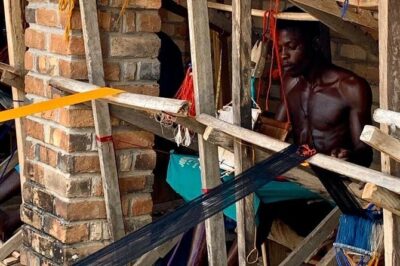
- Bonwire Namimg Ceremony and Kente Tourist Center
★ 5.0 · 40 reviews - Tour Kumasi City Like a Local
★ 4.5 · 34 reviews - Traditional naming ceremony For African Diasporas in Kumasi
★ 5.0 · 10 reviews
Morning start from Kumasi, and why the car ride is part of the experience
Your day starts at 7:00 am, and you should build your morning around that. You get pickup, and the drive is in an air-conditioned vehicle. That matters more than it sounds, because Lake Bosomtwe and the Ashanti sites are not “just around the corner” from central Kumasi.
On this kind of route, a comfortable car can be the difference between arriving cheerful and arriving wiped out. You are doing museum walking, then market wandering, then a lake boat, then horseback riding. Even if you are fit, your energy depends on how you start.
This is also a private tour, meaning it is only your party. In plain terms, you get a day paced for you, with the guide adjusting the stops based on your group size and energy level. If you are traveling as a family, that private pacing can be gold.
Lake Bosomtwe boat cruise: the meteor crater you can feel
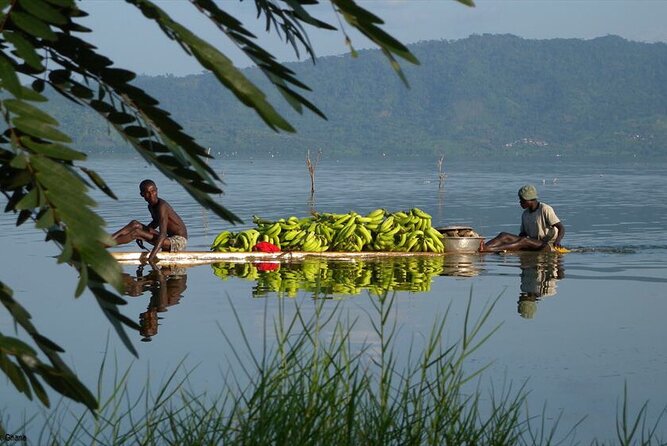
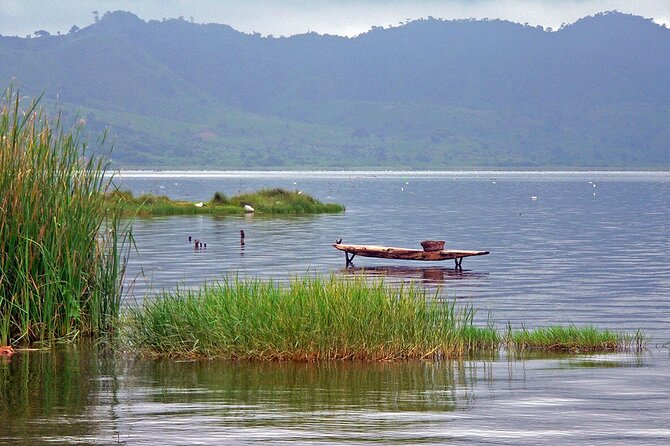
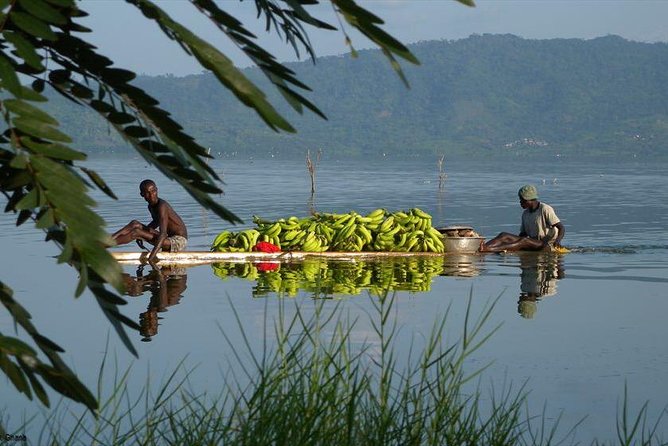
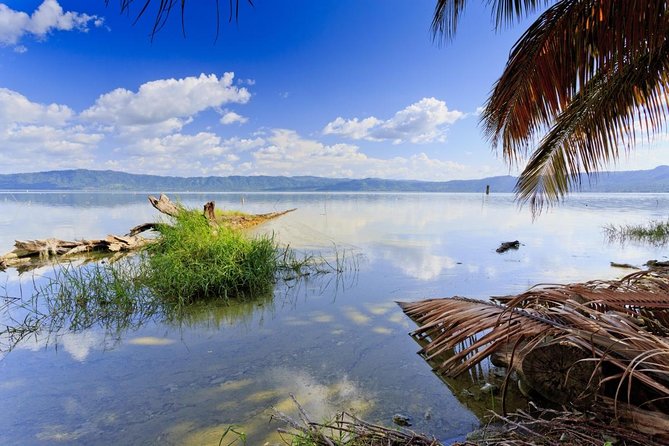
The centerpiece is the boat ride on Lake Bosomtwe, and the guide perspective here is important. This is a crater lake connected to an ancient meteor impact, with the surrounding area shaped by that deep-time event. You also get the human layer: fishing and farming villages along the water, so the lake is not just a postcard, it is a living shoreline.
The boat portion is timed for about 2 hours. That length is long enough to settle in. You are not doing a rushed point-and-shoot cruise. You get to watch daily life from the water, see the tree-and-bush covered sides, and take in how villages cluster around the shore.
The story element also matters. Oral tradition connects the lake’s name to a hunter pursuing an antelope, injuring it, then choosing not to return to his town. The legend version places the event at 1648, and the name is linked to the antelope as a kind of god. Whether you treat it as legend or history, hearing it with the landscape in front of you helps it stick.
One practical note: some descriptions hint at how the tour can include a “big loop” feel around the lake, and that it might not be easy to reach all viewpoints. Translation: expect some stretches that feel like travel time, but the reward is quieter, more relaxing lake views and a sense that you are far from the city machine.
Ashanti history stops: museums plus sacred-site storytelling

After the lake, the day turns into Ashanti landmarks with guided context. You are not just touring rooms, you are learning how power, symbols, and royal life connect.
A few more Kumasi days to weigh up
- Full-Day Accra Safari and Boat Cruise Private Tour
★ 5.0 · 32 reviews - Traditional Naming Ceremony and Boat Cruise Experience
★ 5.0 · 15 reviews - Accra Safari at Shai Hills and Boat Cruise + Cedis Beads
★ 5.0 · 14 reviews - Accra: Shai Hills and Volta River Cruise Day Trip with Lunch
★ 4.8 · 11 reviews
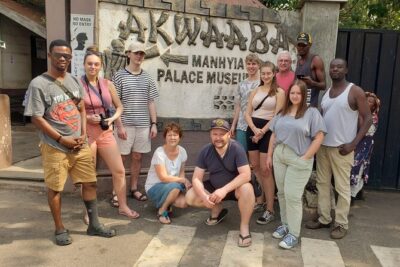
Manhyia Palace Museum: video first, then artifacts and royal meaning
One hour here starts with a video about Ashanti history, then moves into guided rooms with original artifacts. You will hear how the Ashanti empire is understood through figures such as Yaa Asantewaa, the war queen. You will also learn about the symbolism tied to kingship, including the current king sitting on the stool, a detail that connects political authority to cultural identity.
A small but useful reality check: the museum is not directly next to the field where the Akwasidee tribal chiefs gather every six weeks. So if your timing matches a gathering cycle, you might hear about it, but don’t assume you can “catch” it on a random day.
What I like about this stop is that the guide likely helps you read what you are seeing. In museums like this, it is easy to stand in a room and just look. With a guide, you get “why that matters” instead of only “what it looks like.”
Okomfo Anokye Sword Site: the Golden Stool origin story in one place
This is another hour and a serious story stop. You are shown the exact place associated with the Golden Stool descending into the laps of Osei Tutu I, the founder of the Ashanti nation. You then learn about the chief priest Okomfo Anokye, who is linked to driving the sword into the ground.
The belief tied to the site is that the sword cannot be removed, even after attempts, and the time reference given is about 300 years ago. Hearing that while standing at the location makes it feel less like a myth you read once and forget, and more like a living cultural claim.
I also appreciated that the day includes a pop-culture thread, even if it is brief: there is a mention of Mohammed Ali and his connection as an all-time best boxer. That kind of reference can help you connect with the site even if you did not grow up with this story.
Prempeh II Museum: royal clothing, objects, and the daily reality of kingship
This is also about an hour, and it leans into detail. You will see artifacts connected to Prempeh II, including war attire and ceremonial clothing, jewelry, protective amulets, and personal equipment for bathing and dining. Even furniture and royal insignia are part of the display.
There is also a fascinating note that some items are related to a chiefs house setup, with protective and everyday objects shown in context. This is the kind of museum where you learn that royalty is not only crowns and ceremonies. It is also clothing, personal protection, and the physical routines of life.
If you like museums but hate ones that feel like empty rooms, this one should work better because the objects are tied to specific roles and practices.
Kejetia Market: the world’s size in one circular maze
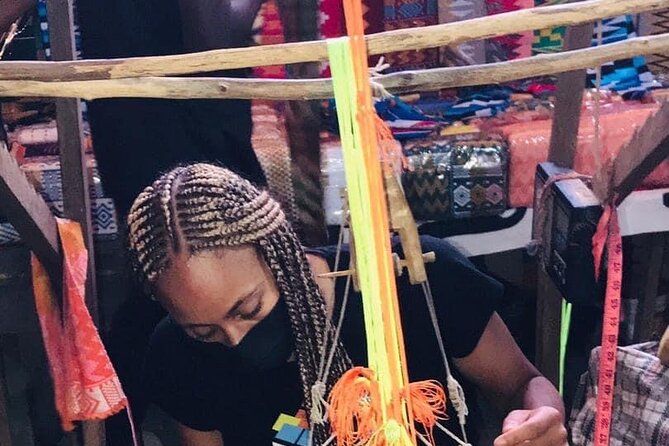
Kejetia Market is where the day gets louder, less orderly, and more real. You spend about an hour walking around. From far away, the market is described as looking like a kind of mothership, due to the massive scale and the rusting tin roofs.
Closer up, it is mind-bending in a practical way. There are said to be 11,000 stalls and at least four times as many people working, which gives you a sense of the human engine inside. It is also described as a circular shanty town, and that is a good mental model. You will likely feel slightly disoriented, because it is huge and visually dense.
What I like about this kind of stop is that it is not staged. A market visit is a snapshot of how people earn money, trade goods, and keep daily life moving. It also helps you balance the earlier sacred and museum stops. After you learn about symbols and power, you get to see the symbol of everyday survival and commerce.
My advice: keep your shopping simple. Your tour includes the time to walk and learn, but buying is optional. If you want to shop, do it with a calm pace, and agree on prices before handing over cash. If you just want to absorb it, that is a perfectly good way to do Kejetia.
Horseback riding at the local stable: what to expect, and how to protect your ride time
The horseback portion is built into the tour after the lake and before returning. The key part here is that your guide meets you and then you head to a local horse stable for a bit of riding.
Because timing is part of the day’s risk, I would treat this section as the “must not miss” activity for anyone who came for the ride. The provided information includes a situation where the boat happened but the horseback riding was canceled due to timing issues when the group arrived later than planned. So you should ask a clear question when you book or confirm: What is your cut-off time for the horseback riding slot?
If you are confident you will get that riding time, this can be a fun contrast to the slower lake pace. The riding also adds a hands-on, physical connection to the region, instead of only standing and looking.
Good to know: the tour is described as suitable for most travelers. That likely means they can match you with what you can handle. Still, if you have mobility issues, ask directly what they can accommodate, because the data only says most travelers can participate.
What is included: the details that reduce friction
This tour includes a lot, and that is where the value comes from:
- Air-conditioned car and fuel surcharge
- Bottled water
- Entrance fees
- Lunch
- Tour guiding service
It is also listed as private, mobile ticket, and confirmation at booking. That matters because it suggests you will not be scrambling for entry passes at each site.
Not included is simple: you buy your own items. That can mean snacks, souvenirs, and anything beyond what is provided at lunch.
Who this tour fits best
This works best if you want a single guided day that hits multiple sides of Kumasi: nature with Lake Bosomtwe, culture with Ashanti royal and sacred sites, and city life with Kejetia Market.
It is a strong match for:
- Families who want variety without changing hotels or planning multiple guides
- First-time visitors to Kumasi who want the main Ashanti story points explained
- Travelers who enjoy boats and also want at least one active moment with horseback riding
It is less ideal if you dislike tight scheduling or if horseback riding is your one non-negotiable item. In that case, I would confirm timing hard, and I would be ready for the day to run according to partner availability.
Tips to make your day smoother
A few small moves help a lot on days like this.
- Bring sun protection. You will be outside at the lake, around markets, and at outdoor sites.
- Wear shoes you can walk in on mixed surfaces. Markets and museum grounds can be uneven.
- Don’t plan a late departure the same day. You might come back closer to the upper end of the 7-hour window, especially if traffic or site pace shifts.
- If horseback riding matters to you, confirm the stable timing before you go. Ask what happens if you arrive late, so you know how the day will adapt.
Should you book Lake Bosomtwe Boat Cruise plus Kumasi city tour?
I think you should book if you want a compact, high-variety day with included transfers, entrances, lunch, and guiding, and you like the idea of pairing Lake Bosomtwe’s meteor-crater story with Ashanti sites that explain the Golden Stool and royal symbolism.
I would hesitate or at least confirm carefully if horseback riding is your main reason for the tour, because the day depends on handoffs with partners. If you go in with that awareness and verify your riding window, you can end up with a memorable mix of calm lake time, meaningful cultural stops, and real city energy at Kejetia.
If you want one sentence of advice: treat this like a well-paced day trip, but check the one moving part that can change, the horseback schedule.
FAQ
How much does the Lake Bosomtwe and Kumasi city tour cost?
The price is $185.00 per person.
How long is the tour?
The tour duration is about 6 to 7 hours.
Is pickup included, and where does the tour start?
Pickup is offered, and the tour starts at 7:00 am. It ends back at the meeting point.
Is this a private tour?
Yes. It is listed as a private tour/activity, so only your group participates.
What activities are included in the tour?
The tour includes a guided boat experience on Lake Bosomtwe, horseback riding at a local stable, and city visits including Manhyia Palace Museum, Okomfo Anokye Sword Site, Prempeh II Museum, and Kejetia Market.
What is included in the price?
Included items are air-conditioned car, fuel surcharge, bottled water, entrance fee, lunch, and tour guiding service.
What is not included?
You purchase your own items.
Do I need good weather for this tour?
Yes, the experience requires good weather. If it is canceled due to poor weather, you will be offered a different date or a full refund.
What is the cancellation policy?
You can cancel for free up to 24 hours in advance for a full refund, and cancellations within 24 hours of the start time are not refunded.
Newly reviewed around Kumasi
- Discover kumasi Tours★ 5.0 · 3 reviews
- Kumasi City Tour★ 4.5 · 3 reviews
- Kumasi Culture and Heritage Tours★ 4.5 · 3 reviews
- Full Day Tour with Traditional Naming Ceremony in Kumasi★ 5.0 · 4 reviews
- Traditional Naming Ceremony For African Americans In Kumasi★ 5.0 · 5 reviews
- One day tour at Kumasi★ 5.0 · 6 reviews
- Kumasi City Tour★ 4.5 · 7 reviews
- Kumasi: City Tour★ 5.0 · 3 reviews
Ashanti Region Tours, compared.
Bonwire Namimg Ceremony and Kente Tourist Center
Read our review →
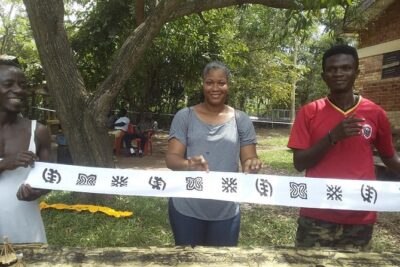
Kumasi Heritage Tours And Naming Ceremony In A Day
Read our review →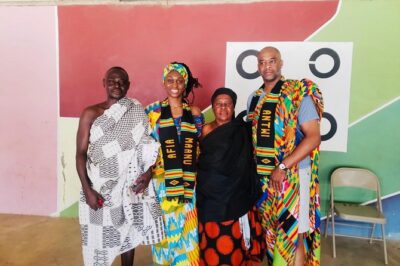
Traditional naming ceremony For African Diasporas in Kumasi
Read our review →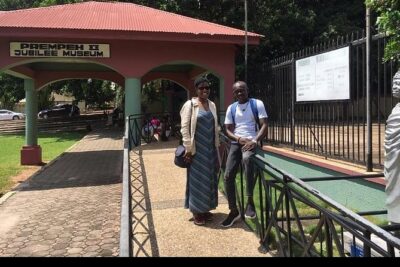
Full-Day Tour to Ashanti Region, Kumasi and Ghanaian History
Read our review →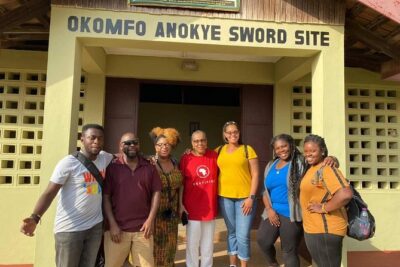
Browse the lists this tour appears in