
Reviewed · ACCRA TOURS
Nima Experience
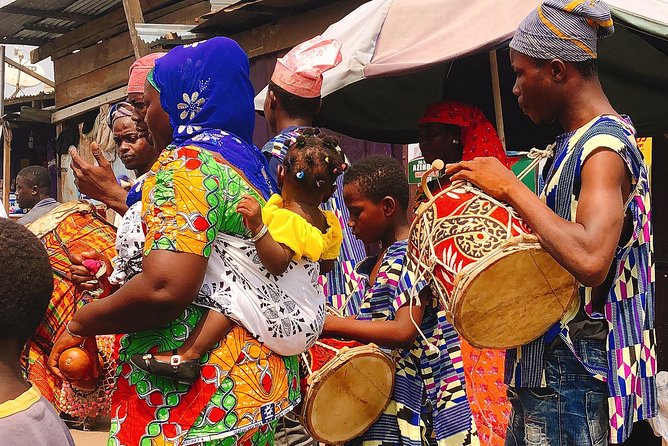
A trip to Nima is interesting because you see how Accra works when you step off the postcard route and into daily life. I like that this walk includes Nima Market energy, plus chances to interact with people in a way that feels normal, not staged. You also get a more personal feel with a private tour format that can flex to your group.
What I really like is the focus on practical details, like where people shop for food and spices, and how those routines shape community life. I also love that you are guided by someone who can connect what you are seeing to the real stories behind it, including migration paths into the area.
The one drawback to weigh is comfort and expectations. This is a neighborhood walk, so you should be ready for busy streets, lots of walking over 2 to 3 hours, and the need for good weather since the tour can be rescheduled if conditions are poor.
Quick reasons this Nima Experience makes sense

- Hotel round-trip transfers mean you spend less time figuring out how to get there
- Nima Market is built into the route, with food and spice browsing as a core part of the morning
- Local homes and resident stories add context beyond just looking from the outside
- Private group touring keeps the pace personal instead of rushed
- Mobile ticket keeps the day simple
- Guide Hassan is specifically mentioned for making the experience feel real and human
Why a Nima walk tells a truer Accra story
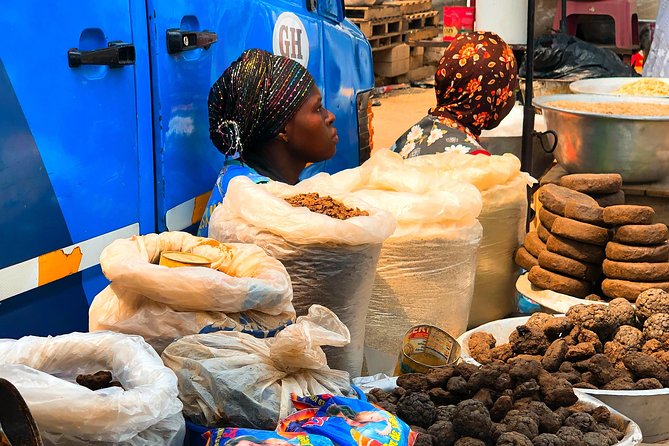
Nima is the kind of place where life keeps moving. People are working, shopping, carrying things, and raising families right in the middle of everyday traffic. If you want Accra that feels lived-in, this is the approach: walk with a guide, stop where people actually gather, and listen long enough to understand what you are seeing.
This kind of tour can change your mental map of a city fast. Instead of treating Nima like a single image, you learn it as a neighborhood made of different tribes and backgrounds, where migration shaped the community. That matters because it turns a place name into people, routines, and choices.
I also appreciate how this tour stays practical. You are not asked to sit and watch a performance. You get time at the market to see ingredients, spices, and everyday meals, and you can ask questions as you go.
More trips leaving Accra:
- The Cape Coast Day Tour
★ 5.0 · 525 reviews - Experience the Beauty, History and the Culture Of Accra in a Day
★ 5.0 · 323 reviews - The Cape Coast Tour
★ 5.0 · 177 reviews
Price and what $135 covers in real terms
At $135.00 per person, the cost sits in the middle of what you might expect for a focused private experience in Accra. The value gets better when you count what is included.
You get a walk that runs about 2 to 3 hours, with admission ticket support, and round-trip transfers from your Accra hotel. That matters more than it sounds, because getting around can eat time and energy in any city. For a short morning like this one, saving transportation friction is real value.
You also get a private setup for only your group, which usually means less waiting and more ability to ask questions. Group discounts can help if you are traveling with others, so check how pricing works for your party size when you book.
Getting to Nima without burning your morning
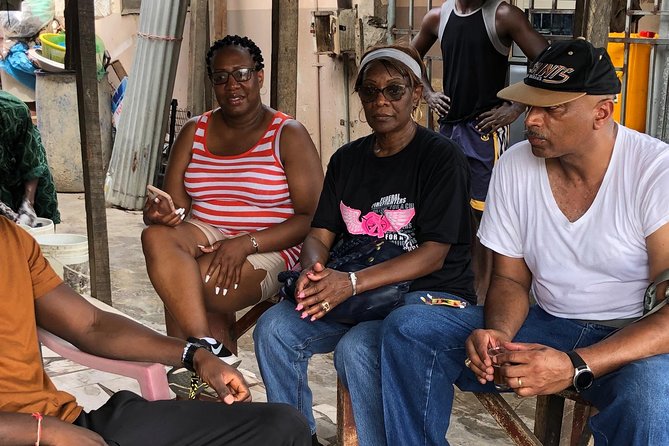
This starts at 8:00 am, which is a smart time for a market-oriented neighborhood walk. Earlier hours tend to feel more navigable, and you get a chance to see daily work while it is still fresh.
Pickup is offered, and the tour includes round-trip transfers from your Accra hotel. So you can treat this like a planned outing rather than a logistics puzzle. The meeting point is also described as being near public transportation, which gives you a backup option if you need it.
Because the tour is private, your timing matters less in the sense that you do not have to match a larger group’s rhythm. Still, plan to be ready right at the pickup time so you do not rush the early part of the walk.
Nima Market: where shopping turns into a lesson
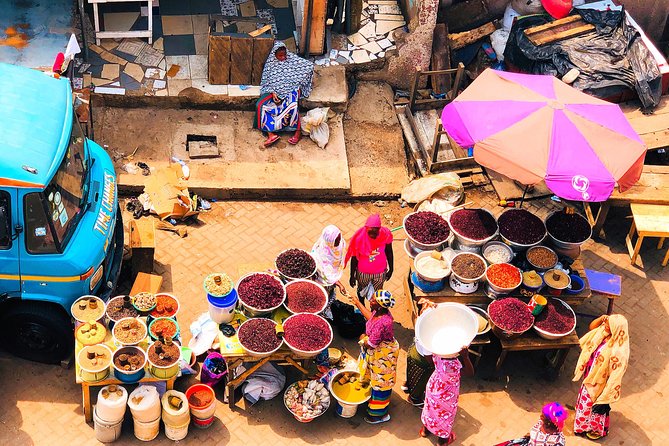
The Nima Market stop is the heart of the experience. Expect a walking flow that includes markets, local homes, food, and different spices, with time to hear stories from residents about how some families migrated into the area.
This is where you see the everyday economy up close. Food is not an afterthought here. It is part of how people live, plan meals, and support family routines. You can also purchase local food and spices, which makes the stop more than sightseeing. If you like cooking, this is one of the easiest ways to bring something back that actually belongs to the place you visited.
A specific detail from the guide feedback stands out: the market work is often done with babies present. One review mentions women working hard with a baby on their backs, described as a childcare option. That kind of observation is hard to capture from photos, but it explains how tightly family life and work life can overlap in neighborhoods like this.
Just be ready for interaction. The guidance notes that you can feel free to interact with women at the market. That means you should come with a polite, curious mindset, and keep your questions respectful and simple.
A slower Accra day, if you have one spare:
- From Accra: Cape Coast, Elmina Castle & Kakum Park Day Tour
★ 4.6 · 144 reviews - Accra Detailed City Tour
★ 4.5 · 118 reviews - Accra Guided City Tour Experience
★ 4.7 · 88 reviews - Accra Guided City Tour Experience
★ 5.0 · 76 reviews
What to watch for at the market
You will likely notice a few things quickly:
- Spice choices and food basics that show up in everyday cooking
- A lively flow of people moving in and out of stalls
- Conversations that are more helpful than performative, because you are there to learn how daily life works
If you go in thinking you will be able to quietly observe from a distance, you might miss the best part. The experience works when you engage at a comfortable level.
Local homes and migration stories that add meaning
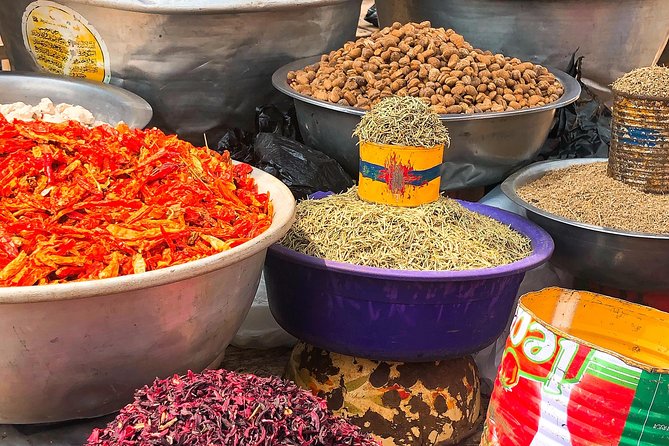
Beyond the market, the tour includes time around local homes and resident storytelling. The key promise is context. You are not only shown what the neighborhood looks like, you hear why people ended up there, and how community life grew around those moves.
That migration element matters because it reframes what you might expect from the phrase slum. Nima becomes less about a label and more about a living mix of tribes and backgrounds. You start to understand the neighborhood as a destination that formed through individual decisions and shared settlement over time.
The tone you want from this part is listening. The guide helps you connect the dots as you walk, and you learn how residents describe their own choices and experiences. In the strongest moments, it feels like you are being taught the neighborhood by someone who actually knows it.
This is also where a private guide can be especially helpful. If your questions are more personal, or if you want to focus more on family life versus food, the guide can usually steer the conversation in a way that matches your interests.
A gentle reality check
Home visits can vary in how they are handled, and you should expect that people may not be able to treat visitors like a museum setting. Keep your expectations flexible. The best approach is respectful curiosity, and letting your guide set the tone.
How the private format changes everything
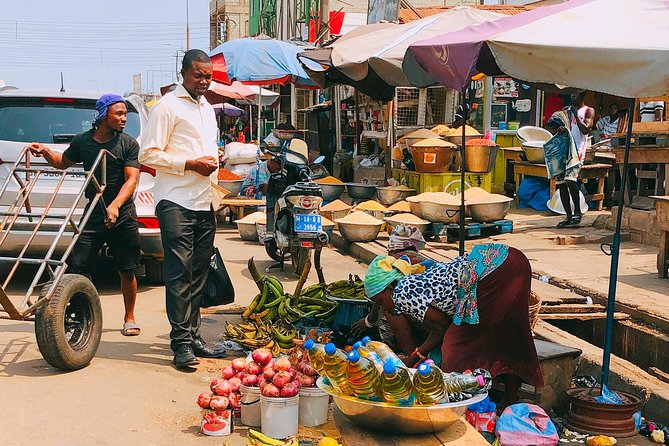
The tour is private, meaning only your group participates. That is a big deal for a walking neighborhood experience, because group tours can turn into a line you cannot step out of.
With private pacing, you are more likely to get:
- Time to ask follow-up questions without feeling rushed
- A route that matches how your group walks and how long you want to linger in the market
- More direct interaction with your guide, instead of balancing the pace of strangers
In the feedback, the guide named Hassan is mentioned as making the tour feel genuinely real. That lines up with what private tours do best, the guide becomes a translator between what you see and what it means.
If you want a more personal, human-style morning in Accra, this format fits that goal.
What to bring and how to stay comfortable
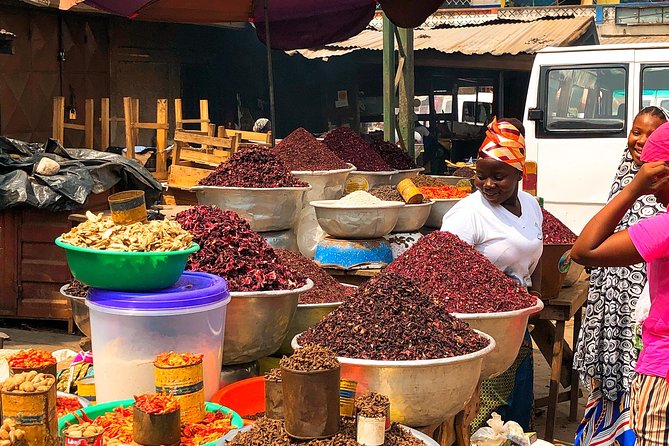
Because this is a 2 to 3 hour walking tour, wear shoes you can move in. You will be on your feet through market activity and neighborhood streets, and “comfortable” matters more than fashion.
Bring cash for small purchases if you want to buy food or spices at the market. The tour notes that purchasing is possible, and you will have an easier time if you are not scrambling.
Also consider sun and water. The tour requires good weather, which suggests you should plan for typical morning conditions in Accra. Even when the day is pleasant, the walk can feel warm once you are in the market flow.
Finally, bring a respectful attitude. In a neighborhood setting, your behavior affects how comfortable people feel. Ask before taking photos, keep voices calm, and remember you are walking through someone’s daily life.
Who this Nima Experience is best for
This tour is a strong match if you want:
- A practical introduction to Nima through market life and local stories
- A short, guided morning rather than a long day trip
- A more human view of Accra, where you talk with residents instead of only looking
It is also a good fit if you like food travel. The chance to see and buy spices and local foods makes the visit useful, not just educational.
You may enjoy it less if you want large monuments, famous landmarks, or a totally low-interaction experience. This is about people, routine, and conversation.
Should you book the Nima Experience?
I would book it if your goal is to understand Accra by walking through neighborhood life with a guide who can explain what you are seeing. The biggest reasons to choose it are the included hotel transfers, the structured market time, and the private pacing that helps stories land.
Skip it or reconsider if you hate walking, dislike markets, or you want a purely sightseeing style day. Also keep an eye on weather, since the tour requires good conditions and can be rescheduled if conditions are poor.
If you want your morning in Ghana to feel real, practical, and guided by local context, this is a solid choice.
FAQ
How long is the Nima Experience tour?
The tour runs about 2 to 3 hours.
What time does the tour start?
The start time is 8:00 am.
Is hotel pickup included?
Yes. Round-trip transfers from your Accra hotel are included.
Is this tour private?
Yes. It is a private tour, so only your group will participate.
What do we do during the tour?
You take a walking tour that includes visiting Nima Market, exploring markets and local homes, seeing local foods and different spices, and listening to stories about how some residents migrated to the area. You can also interact with people at the market and purchase local food and spices.
Do I need a physical ticket?
No. The tour uses a mobile ticket, and an admission ticket is included.
What is the cancellation policy, and what if the weather is bad?
You can cancel for free up to 24 hours in advance for a full refund. If it is canceled due to poor weather, you will be offered a different date or a full refund.
Newly reviewed around Accra
- Private Slave Castles and Dungeons Tour in Cape Coast, Ghana★ 5.0 · 3 reviews
- Day Tour to Kakum National Park, Cape Coast and Elmina Castles★ 5.0 · 3 reviews
- Half-Day Guided Fabric Tour in Ghana★ 5.0 · 3 reviews
- Cultural Tour Of Ghana And South Africa 12 Days★ 5.0 · 3 reviews
- Cape Coast Day Tour★ 5.0 · 3 reviews
- Experience Aburi Botanical Gardens And Boti Water Falls In A Day.★ 5.0 · 3 reviews
- Experience the Culture of Ashanti Kingdom in 5days★ 5.0 · 3 reviews
- Full Day Accra Guided Tour★ 5.0 · 3 reviews
Accra Tours, compared.


Experience the Beauty, History and the Culture Of Accra in a Day
Read our review →

Cape Coast, Elmina Castle & Kakum Park Day Tour
Read our review →
Browse the lists this tour appears in