
Reviewed · GHANAIAN NAMING CEREMONIES
Kumasi Heritage Tours And Naming Ceremony In A Day
This day tour is interesting because you get Ashanti culture in motion, not just in a photo. You’ll spend time in working textile workshops, see the plant that feeds chocolate culture through a cocoa farm visit, and then take part in a naming ceremony that assigns a local name based on the day you were born.
I love that the schedule is built around hands-on making, first with kente weaving and then with Adinkra cloth. I also love the format of having a private guide and round-trip transport so you can focus on learning instead of figuring out routes. One drawback to think about: lunch is not included, so you’ll want to plan food before and during the long day.
Key Things You’ll Notice on This Kumasi Heritage Day
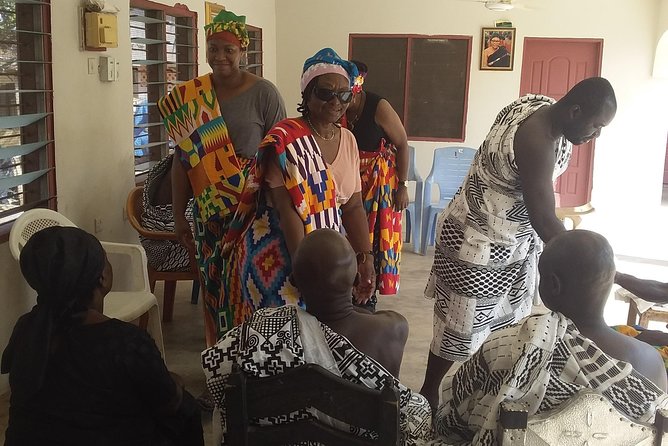
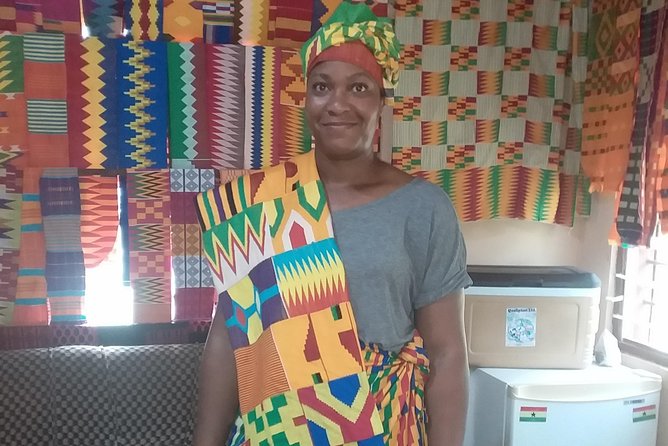
- Hands-on kente at Adanwomase, plus time with the makers at a community weaving centre
- A working cocoa farm stop that connects everyday agriculture to wider Ghanaian culture
- Your own Ashanti day-name, given during a traditional naming ceremony linked to your birth day
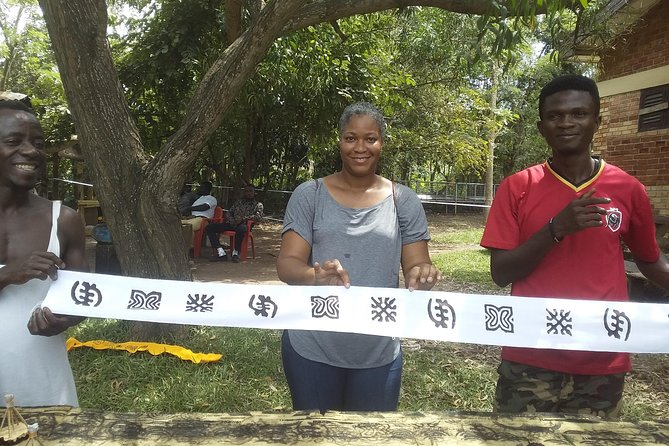
- Adinkra symbols and meaning at Ntonso, with a chance to make your own cloth
- Private, low-stress logistics, with an air-conditioned vehicle and pickup offered
A Full Day of Ashanti Naming, Cloth-Making, and Cocoa on the Kumasi Route
If you want a cultural day that feels practical and personal, this tour hits the right notes. It’s structured for one outcome: you leave with an experience you can explain, not just souvenirs you can’t connect to a story. The format is simple, two main stops, and each one includes active participation.
The day starts early, with pickup and a 7:00 am meeting time. From there, you’ll head to Adanwomase for kente weaving and an Ashanti naming ceremony, then continue to Ntonso Adinkra Craftsmen for Adinkra cloth making. The total time runs about 10 hours, so build the day like a real outing, not a quick hop.
A private guide makes a difference here. Instead of being rushed through a “look and go” style stop, you get the chance to ask questions while you’re working with cloth and symbols. And because the tour includes round-trip transportation in an air-conditioned vehicle, you’re less likely to lose your energy to heat and navigation.
More of the Ashanti region:
- Full-Day Tour to Ashanti Region, Kumasi and Ghanaian History
★ 5.0 · 8 reviews - 4 Days Trip in Accra, Cape Coast,Kumasi culture & heritage tours
★ 5.0 · 5 reviews - Accra: Tafi Kente Village, Monkey Sanctuary &Wli Waterfalls
★ 4.5 · 4 reviews
The 7:00 am Start and How to Plan for a 10-hour Culture Day
A 10-hour day can be wonderful, but only if you prep a bit. This tour is designed around two roughly two-hour village segments, plus travel and ceremony time. That means you’ll likely be on the move for much longer than the on-site activities.
Here’s how I’d plan it:
- Eat a solid breakfast before pickup so you’re not hungry during the early workshop hours.
- Bring water and something light for snacking, since lunch is not included.
- Dress for craft work and warm weather. You may be standing, watching, and learning in active spaces.
- Wear comfortable shoes. Some village areas can be uneven and you’ll want stable footing.
One more practical note: it’s a private tour/activity, so it’s only your group. That often means the guide can adjust pacing a little for your questions and comfort level, which is exactly what you want for ceremonies and hands-on making.
Stop 1, Adanwomase Kente Weaving and the Day-Name Ceremony
Adanwomase is a strong first stop because kente is not treated like a museum item here. You’ll visit the kente weaving village known for kente production and then spend time at a community kente weaving centre to learn how the cloth is made. This is where the day starts to feel real, because you’re not just looking at fabric, you’re learning the process.
Kente weaving also has a built-in lesson in patience and craft discipline. Even if you only get part of the workflow, you can see how the work requires focus. If you like culture that shows effort, this is it.
Your naming ceremony: a local name tied to your birth day
The most memorable moment for many people on this tour is the traditional Ghanaian naming ceremony. You’ll experience a ceremony where you’re given a local name based on the day of your birth. That’s a beautiful idea because it personalizes the moment. It turns “tourist experience” into something that connects to your identity, even if it’s temporary.
This also helps you understand Ashanti culture beyond textiles. Cloth is one kind of expression, but names are another. When the ceremony is part of the same day as weaving, you start seeing culture as a system of meaning, not separate attractions.
More naming ceremony experiences:
- The Ancestral Naming Ceremony and Home Coming Experience
★ 5.0 · 30 reviews - Naming Ceremony and Heritage Homecoming Experience for Diasporas
★ 4.5 · 15 reviews - Traditional Naming Ceremony and Boat Cruise Experience
★ 5.0 · 15 reviews - Naming Ceremony, Assin Manso Slave River and Cape Coast Castle
★ 5.0 · 7 reviews
A quick reality check
Because the naming ceremony happens during the day’s flow, keep expectations flexible. Ceremonies can take more time than you’d plan for, depending on the group and timing. The good news is the day structure leaves space for it, and the private guide format usually helps the pace feel less chaotic.
Adding Meaning with a Working Cocoa Farm Visit
Right after the initial weaving time, you’ll visit a local cocoa farm. This stop matters because it grounds the day. Kente and Adinkra tell you about symbols and craft, but cocoa connects to Ghanaian agriculture and everyday economics in a way that’s easy to understand.
Even if you’re not there to farm yourself, this is an opportunity to see production at ground level. You’ll likely notice how the farm fits into the wider landscape of Ghanaian life, and that makes the tour feel more complete.
One benefit of putting the cocoa farm into the schedule is that it gives your brain a break from patterns and cloth. It’s a change of pace, and you come back to the next workshop with fresher attention.
Ntonso Adinkra Craftsmen and Making Your Own Adinkra Cloth
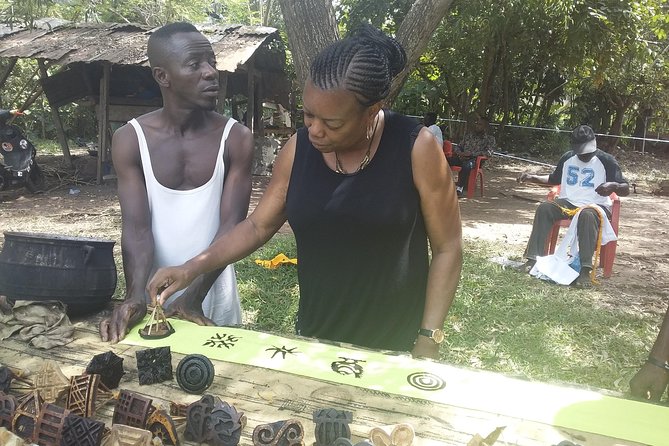
After Adanwomase, the day moves to Ntonso Adinkra Craftsmen. This second stop is focused on Adinkra, including the history behind the ancient traditional symbols called Adinkra.
Adinkra cloth is all about meaning. The shapes are not random decoration. As you learn the history and the idea behind the symbols, you start reading the cloth like a message. That’s why this stop is more than craft class. It’s visual language.
You get to make your own Adinkra cloth
The most practical part is the making. You’ll have a chance to create your own Adinkra cloth during the experience. That’s the right kind of souvenir, in my opinion, because it gives you a personal artifact tied to what you learned.
This is also where a private guide really pays off. Symbol work can get confusing if you’re rushed. With time and attention, you can ask questions about what you’re producing and what it represents.
What to keep in mind
You’ll spend about two hours at this stop. That’s enough time to learn the basics and make something, but not enough to become an expert artisan. If you’re expecting that, you might feel a little disappointed. If you expect a guided start, you’ll probably feel satisfied.
Also, since your hands may get involved, plan for the possibility of stains and plan for simple cleanup. You’re in craft spaces, not on a spotless shopping tour.
What’s Included, What’s Not, and How the Value Works
Price for this private day is listed at $256.42 per person, with a duration of about 10 hours and a 7:00 am start. That sounds steep until you break down what’s actually inside.
You’re not just paying for entry. The included elements are:
- Round-trip transportation in an air-conditioned vehicle
- All fees and taxes
- Admission ticket status included across the two stops (more on that below)
Not included:
- Lunch
Value is about time, comfort, and what you get to do. Here, the value comes from three things that cost money and effort in Ghana: getting you to and from villages efficiently, paying for guided instruction, and supporting workshop-style learning where you can participate. If you’ve ever traveled without local logistics, you know how expensive “just getting there” can become.
Admission tickets at both stops
Stop 1 includes admission that’s free, while stop 2 includes admission. That means you’re not juggling extra payments at the sites. The day also includes the structured stops you want, weaving plus cocoa plus Adinkra plus ceremony, all in one schedule.
The lunch gap is the main cost trap
The only clear downside in the package is that lunch is not included. If you don’t plan for food, the day can feel longer and more tiring. Pack light snacks and budget for lunch, and you’ll glide through the afternoon with less stress.
The Private Guide Difference, and What You Should Ask
A private guide changes how you experience craft and ceremony. When you’re in a group, questions often get pushed aside. On this format, you can ask what you actually want to know while you’re watching the work and making your own cloth.
Here are smart questions to ask your guide during the day:
- What does kente weaving style communicate in everyday use?
- In the naming ceremony, what should I expect in terms of how the name is presented?
- For Adinkra, how are specific symbols chosen, and how do meanings show up in cloth?
- How does cocoa farming connect to Ghanaian daily life beyond export and chocolate?
Also, pay attention to the makers. The weaving and cloth workshops tend to show pride in careful work. In this kind of experience, learning comes as much from observation as from instruction.
What You’ll Probably Enjoy Most, and Who This Tour Suits
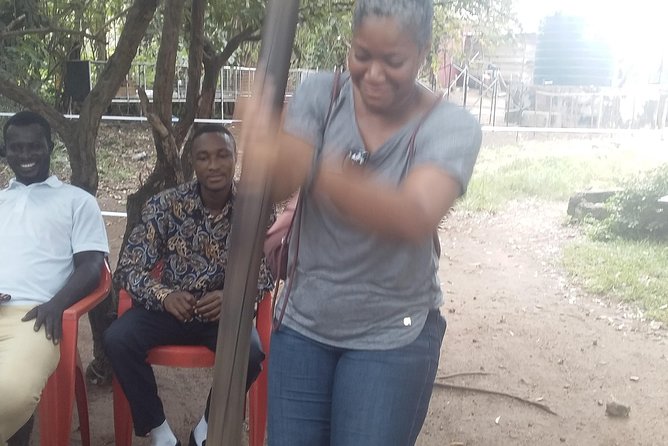
This tour fits best if you like hands-on cultural experiences, and if you want a day that feels personal. The naming ceremony is a major emotional hook, and the cloth-making parts keep it grounded.
You’ll likely enjoy it if you:
- Want more than sightseeing, you want participation
- Like craft, symbols, and the meaning behind traditional patterns
- Prefer private guiding and transport that keeps the day smooth
- Don’t mind a full day schedule with limited breaks
It’s also a good choice for couples and small groups who want shared time without the pressure of a larger group pace. And because it’s designed for most people to participate, it’s a strong option for a wide range of travelers.
If you’re the type who only wants a quick checklist of famous sights, this might feel slower. But if you want culture you can touch, you’ll get your money’s worth in experience.
Should You Book This Kumasi Heritage Tours and Naming Ceremony Day?
I’d book this tour if you want a day that blends meaning and making. The combination is rare: kente weaving in Adanwomase, a cocoa farm stop, a traditional naming ceremony based on your birth day, then Adinkra symbol learning and cloth making at Ntonso. That mix gives you variety without losing the cultural thread.
I’d think twice if you’re trying to keep the schedule light. It’s a full 10-hour day, and lunch is not included. You’ll need to plan your energy.
If you can handle a longer day and you’re excited by textiles, symbols, and ceremony, this is the kind of experience that stays with you because you take something away that is yours, a name given through ceremony and cloth you helped create.
FAQ
What is the duration of the tour?
The tour lasts about 10 hours.
What time does the tour start?
The meeting time is 7:00 am.
How much does it cost per person?
The price is $256.42 per person.
Is pickup included?
Yes, pickup is offered.
Is this a private tour?
Yes, it’s a private tour/activity, and only your group will participate.
Is lunch included in the tour price?
No, lunch is not included.
What happens at the naming ceremony in Adanwomase?
You participate in a traditional Ghanaian naming ceremony where you receive a local name depending on the day of your birth.
Which craft activities are included?
You’ll visit the Adanwomase kente weaving area and learn about how kente cloth is made, and you’ll also make your own Adinkra cloth at Ntonso Adinkra Craftsmen.
Are admission tickets included?
At Adanwomase, the admission ticket is free. At Ntonso Adinkra Craftsmen, admission is included.
More Historical Tours in Accra
- Experience the Beauty, History and the Culture Of Accra in a Day
★ 5.0 · 323 reviews - Ghana Heritage Tours – Beyond The Return
★ 5.0 · 36 reviews - 10 Days Ghana Cultural and Heritage Trip
★ 5.0 · 31 reviews - Cape Coast Historical Day Tour
★ 5.0 · 24 reviews
Newly reviewed around Accra
- Private Slave Castles and Dungeons Tour in Cape Coast, Ghana★ 5.0 · 3 reviews
- Day Tour to Kakum National Park, Cape Coast and Elmina Castles★ 5.0 · 3 reviews
- Half-Day Guided Fabric Tour in Ghana★ 5.0 · 3 reviews
- Cultural Tour Of Ghana And South Africa 12 Days★ 5.0 · 3 reviews
- Cape Coast Day Tour★ 5.0 · 3 reviews
- Experience Aburi Botanical Gardens And Boti Water Falls In A Day.★ 5.0 · 3 reviews
- Experience the Culture of Ashanti Kingdom in 5days★ 5.0 · 3 reviews
- Full Day Accra Guided Tour★ 5.0 · 3 reviews
Ghanaian Naming Ceremonies, compared.
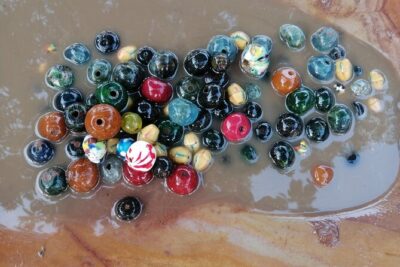
The Ancestral Naming Ceremony and Home Coming Experience
Read our review →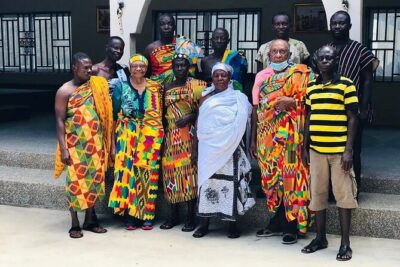
Naming Ceremony and Heritage Homecoming Experience for Diasporas
Read our review →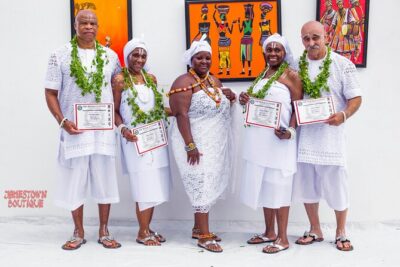
Traditional Naming Ceremony and Boat Cruise Experience
Read our review →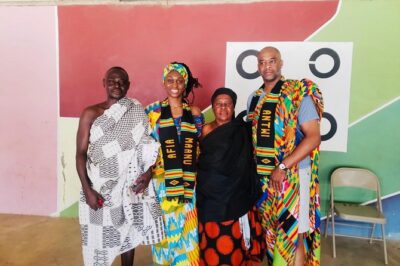
Traditional naming ceremony For African Diasporas in Kumasi
Read our review →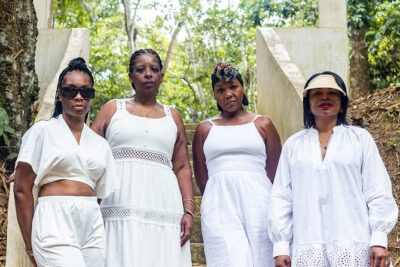
Naming Ceremony, Assin Manso Slave River and Cape Coast Castle
Read our review →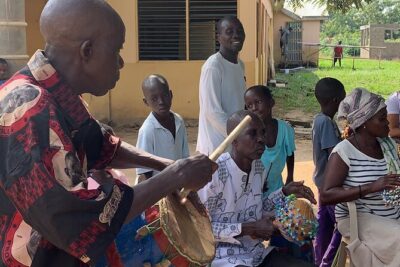
Cultural Village Tour: Traditional Naming Ceremony
Read our review →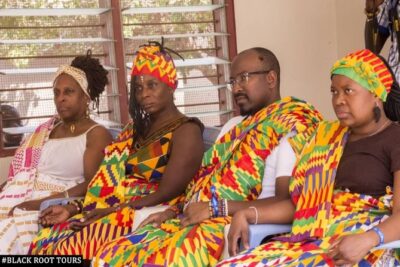
Traditional Naming Ceremony For African Americans In Kumasi
Read our review →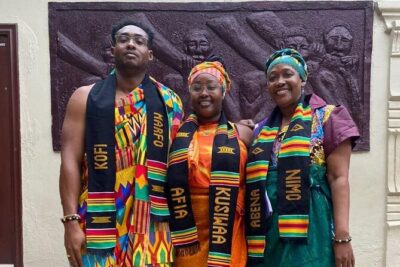
Full Day Tour with Traditional Naming Ceremony in Kumasi
Read our review →Browse the lists this tour appears in