
Reviewed · HISTORICAL TOURS
Ghana Heritage Tours – Beyond The Return
This Ghana heritage tour is interesting because it pairs big historical landmarks with hands-on culture stops, then finishes with a traditional African naming ceremony in Cape Coast. You’re moving along a smart route that connects Accra, Kumasi, Cape Coast, and Elmina, so the story keeps widening as the days pass.
I particularly like how the tour handles the practical stuff for you, with hotel transfers and included meals so you spend less energy on logistics. I also like the craft-focused moments, from TK Beads to kente weaving in Adanwomase and adinkra symbol work in Ntonso.
One consideration: the price is $3,595 per person, and this is a private experience, so it can feel like a bigger splurge if you’re not splitting costs with a group.
Key Highlights Worth Your Focus
- A traditional naming ceremony with libation, drumming, dancing, and community elders welcoming you
- Craft time with real makers, including beads, kente cloth, and adinkra symbols
- A route with maximum cultural contrast, Accra, Kumasi, Cape Coast, and Elmina
- Comfort perks included, air-conditioned vehicle, unlimited mineral water, accommodations, and most meals
- Emotional history stops at Assin Manso and Cape Coast Castle
- Strong human support, with guide Alex and team Eric noted for attentive, confidence-building care
Your First Hours in Accra: Akwaaba, Arrival Support, and Night Plans
Your trip starts the moment you land, with pickup arranged through the operator and a warm welcome branded around Akwaaba. You’ll meet the team at arrival, then get transferred to your hotel to check in and reset after travel.
After freshening up, you’ll meet for dinner to set context for the journey of connection ahead. There’s also room for choice, you can keep it easy at the hotel or go into town for a first taste of Accra nightlife depending on your energy level.
Practical note: Accra can move fast, so if you’re tired, take the hotel option and save your stamina for the museum and walking time later.
A few more Accra days to weigh up
- Experience the Beauty, History and the Culture Of Accra in a Day
★ 5.0 · 323 reviews - 10 Days Ghana Cultural and Heritage Trip
★ 5.0 · 31 reviews - Cape Coast Historical Day Tour
★ 5.0 · 24 reviews
Independence Square to James Town: Museums, Memorials, and History on Foot
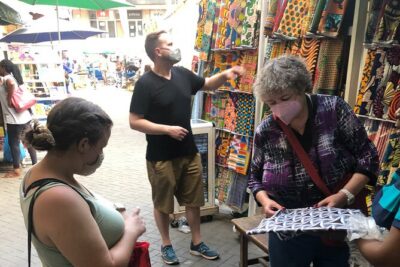
A strong way to get your bearings is starting at the National Museum of Ghana. You’ll see ethnographic displays that cover West African culture beyond Ghana, plus an adjoining garden with sculptures tied to tradition and customs. If you like shopping for fabric, the museum area and nearby markets are a natural place to spot African prints and potentially arrange tailor work after measuring.
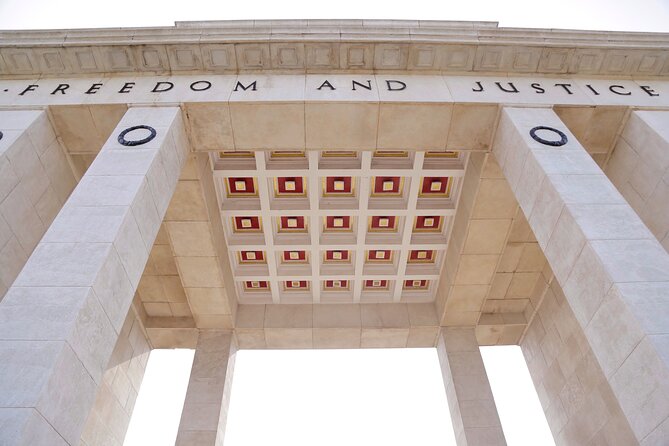
Then you shift from the museum into modern national memory at Kwame Nkrumah Memorial Park. The route passes Black Star Gate and Independence Square, including the flame of African liberation lit by Kwame Nkrumah in 1961. The park’s museum adds photos and artifacts that help you connect the independence story to the people behind it.
From there, you move into James Town for a walking tour through Accra’s oldest suburb. You’ll see structures that predate colonial era, plus a 30-meter-high lighthouse built by the British in 1871, and colorful fishing boats along the coast. The walking time also sets up Fort James, the British trading post that later connects in sequence with other European forts, giving the Jamestown name a real geographic anchor.
This day is a good balance, indoor context first, then street-level history by foot.
Getting Fitted in Accra: Tailor Time That Pays Off Later
One detail I really like here is the built-in opportunity to get clothes made early in the trip. After dinner on day two, you’ll have time to get measured for outfits you want the tailor and seamstress to make for you.
Why it matters: the naming ceremony night is the perfect moment to wear something meaningful. If you’re the type who enjoys photos and storytelling, having an outfit delivered later can make the ceremony feel even more personal, not just ceremonial.
If you’re considering this, do it early enough in your trip that you have time to adjust. Also, bring a clear idea of color and fit preferences, because you’ll likely be choosing fabric during the cultural market stops.
DuBois Center, Beads, and the Aburi Hills: Culture With Hands-On Craft
Day three is where the tour turns from monuments into craft and ideas. At the W.E.B. DuBois Center, you visit DuBois’s final burial place and former home, now serving as a library and research institute tied to Pan-Africanism. It’s a fitting stop that brings a broader Afro-Atlantic perspective into your trip before you start making things with your own hands.
Then you head to T.K. Beads to learn the traditional process of making beads worn by many West African women, especially for important occasions. Beads aren’t just decoration here, they’re a symbol of wealth, beauty, and standing in the community. If you want to bring something home, the shop on site can be a practical place to buy.
From there, you climb into the Akuapem hills for Aburi Botanical Gardens, where your guide points out indigenous and exotic plants, including some used for medicinal purposes. The views across Accra are part of why this stop works so well. It’s a change of pace from city history into nature, with context you can actually understand.
Finally, Aburi Crafts Village brings you back to making and buying. You’ll see traditional drums and sculptures made by skilled craftsmen, and prices here are noted as being among the lowest in Ghana. This is one of those stops where you can browse patiently without feeling pressured.
More trips leaving Accra:
- The Cape Coast Day Tour
★ 5.0 · 525 reviews - The Cape Coast Tour
★ 5.0 · 177 reviews - From Accra: Cape Coast, Elmina Castle & Kakum Park Day Tour
★ 4.6 · 144 reviews - Accra Detailed City Tour
★ 4.5 · 118 reviews
Kumasi: Manhyia Palace, Museums, and Kejetia Market Energy
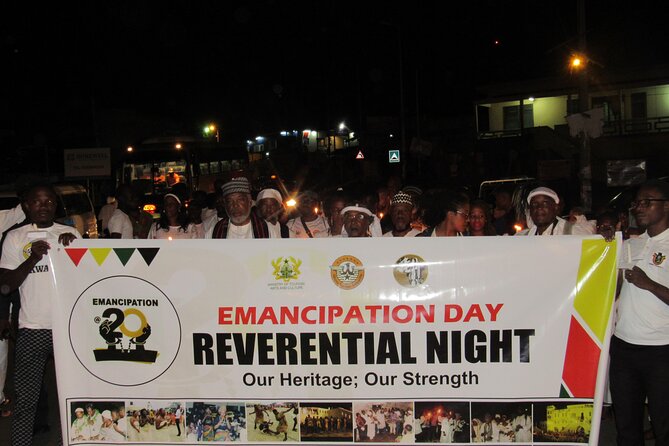
Kumasi is the next major shift, and the first stops focus on Ashanti identity and leadership. You visit Manhyia Palace Museum, home of the Asantehene. The palace museum gives you a clear view of Ashanti history and helps you understand how Ashanti culture anchors daily life in this region.
Next is the Prempeh II Jubilee museum, located at the National Cultural Centre in Kumasi. It’s in an older suburb and offers a strong overview of Ashanti history, with ancient artifacts that help you move from names and legends into physical objects.
Then comes Kejetia Market, described as the largest outdoor market in West Africa. This is where you see everyday commerce up close, the kind that keeps moving and keeps feeding the city’s rhythm. The market is a labyrinth of stalls packed tightly together, and some stall holders sleep there in the evenings because trade rarely stops.
You also stop at the Okomfo Anokye Sword Site. The story here ties Okomfo Anokye, a powerful priest, to Ashanti unity and legend. The site includes the sword still planted in the ground, and it’s even linked to Muhammad Ali trying to pull it during his Pan-African visit in 1964. Even if you’re not a legend person, you’ll feel how strongly people connect place to meaning.
If you’re doing a lot of walking, wear shoes you can trust. Kejetia is not a “quick glance and go” kind of market.
Asante UNESCO Sites, Kente at Adanwomase, and Making Your Own Adinkra
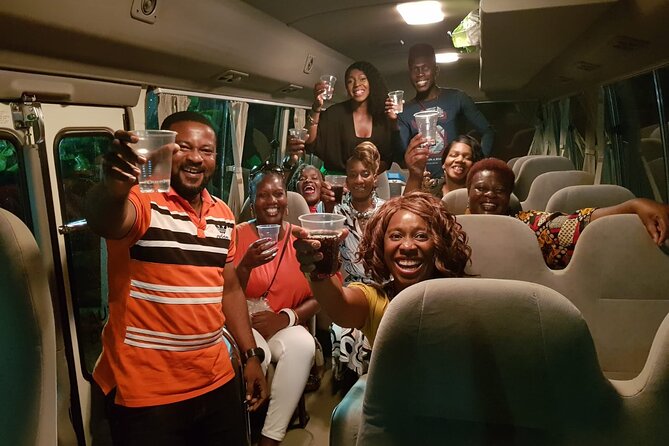
Day five leans into the craft legacy of the Ashanti region. You start at historical Asante traditional buildings recognized by UNESCO. This is also the region tied to Nana Yaa Asantewaa, described as a key figure in Ashanti history and a warrior who led the Ashanti in the 1901 war against the British. The site matters because it connects cultural expression to historical leadership, not just aesthetics.
Then you head to Adanwomase, the birthplace of Ghana’s colorful kente cloth. Here, you walk through the community and interact with kente weavers whose families have worked traditional looms for generations. This is a great time to learn how designs carry meaning, and it’s also one of the better moments for purchasing quality kente at good prices.
After that is Ntonso, a village tied to adinkra symbols. You’ll learn how symbols originate, are carved from calabash shells, then printed on cloth using natural dyes made from tree bark. The highlight for many people is making your own strip of adinkra cloth using symbols with personal significance. This turns souvenir shopping into something more like a personal craft record of your trip.
You end with free time back at the hotel, which is important. By day five, you’ll want a buffer for rest, photos, laundry, and planning your next big emotional day.
Assin Manso Slave River Park: One Stop You Should Prepare for Emotionally
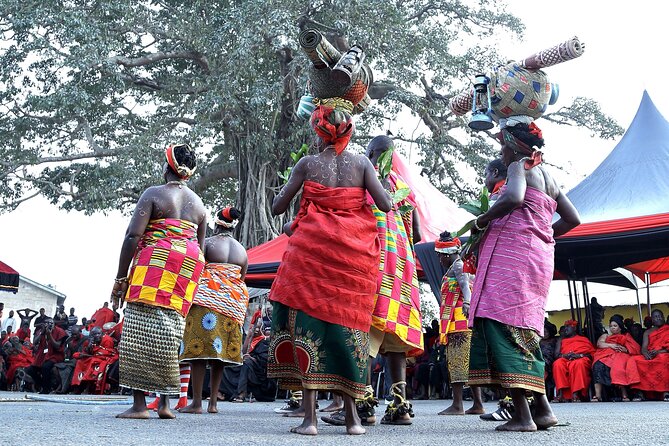
Day six is where the tour doesn’t try to soften the hard parts. At Assin Manso Ancestral Slave River Park, you learn about a key checkpoint along the enslaved African trade route. The tour explains how enslaved people were marched barefoot in shackles from northern regions and then processed at the Ndonkor Nsuo, the Slave River, where they were checked and bathed before transport to the coast.
This stop is described as emotional, and I’d treat it that way. Go with a calm mindset and plan to take your time. If you’re sensitive to heavy topics, give yourself permission to pause, reflect, and move at your own pace.
If you want a practical tip: bring something small to keep yourself grounded, like a note with what you want to remember from the day or a short checklist for staying present.
Cape Coast Castle: The Door of No Return and the Scale of the Captivity
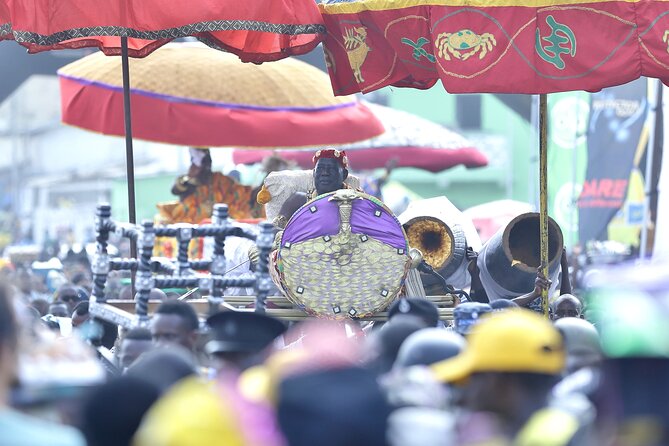
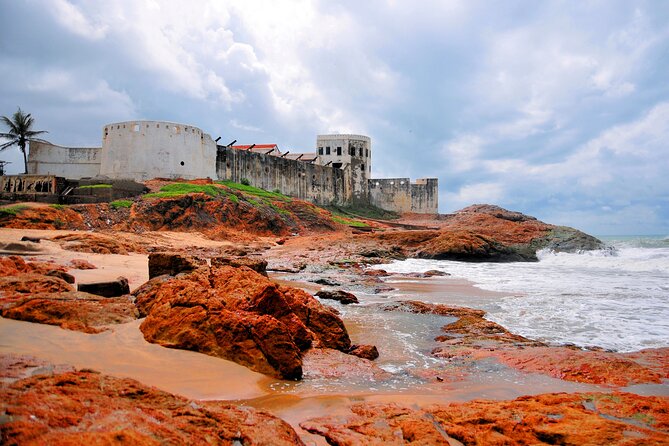
After Assin Manso, you continue to Cape Coast Castle, a major monument tied to the transatlantic slave trade. You’ll tour the castle on an educational and spiritual journey, moving through areas connected to worship and the dungeons where many people were held.
The tour notes that Cape Coast Castle kept more enslaved Africans than any other site in West Africa, with dungeons designed to hold up to 1300 people at a time under atrocious conditions. You’ll also visit key areas like the Door of no return, the phrase that carries a deep emotional weight.
I appreciate that this stop is handled as more than a photo opportunity. You get time to process what you see, which makes the history feel real instead of abstract.
After the castle tour, you check into a beach front hotel in Elmina and the rest of the day is free. The dinner setup on the beach is a chance to reset and reflect, not to erase what you learned.
Kakum Canopy Walk and Your Naming Ceremony in Cape Coast
Day seven is a two-part emotional rollercoaster, good in a different way, and both halves matter.
First is Kakum National Park canopy walkway, famous for its rainforest bridges. The walkway has seven bridges attached to seven emerging trees, and you’ll be walking about 40 meters above the rainforest floor. The views from the platforms are meant to stretch for miles, giving you that rare moment where your brain can switch gears and still feel awe.
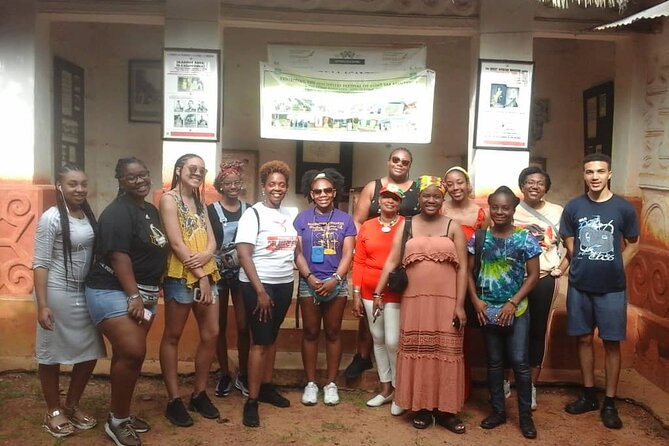
Then comes the naming ceremony in Cape Coast, and this is the heart of the whole experience. You visit a local village for a courtesy call on chiefs, queen mothers, and elders. As tradition dictates, the ceremony begins with libation, welcoming you home to the land your ancestors were forcibly taken from. You’ll experience drumming and dancing while the community leads you through the ceremony.
Finally, you receive your true African name. It’s personal, and it’s also communal, meaning you’re welcomed into a living tradition rather than performing a script for a tourist snapshot.
That night, you get time to celebrate. You return to your beach front hotel to freshen up and have dinner, then head into town for an evening of celebration. A nice detail: if you had outfits made in Accra, they’re delivered in time to wear them during this big moment.
Elmina Castle, Fishing Market, and Boat Builders Before Returning to Accra
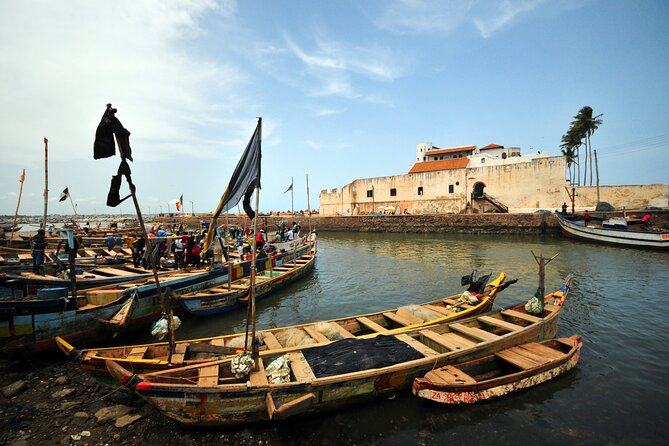
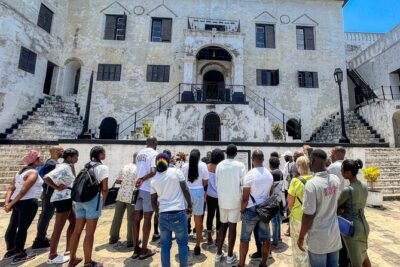
On your last day, you start in Elmina. You visit the Castle of St. George, described as the oldest extant colonial building in sub-Saharan Africa, dating from 1482. You’ll tour the museum inside, which focuses on local history and connects again to the tragic transatlantic slave trade period. The site’s UNESCO designation underlines its global historical importance.
After the castle, you spend time in the local fishing market and then walk to see boat builders. This is a helpful change of pace, a reminder that the region’s history is also part of everyday working life.
Finally, you return to Accra for an early evening meal, a chance to say goodbyes and reflect before transfer to the airport or a pre arranged location in Accra.
This ending feels right because it loops you back to where you began, without losing the emotional arc of the journey.
Price and Value: Is $3,595 a Good Deal for Ghana Heritage?
At $3,595 per person, this is not a casual weekend tour. You’re paying for an all-inclusive structure that covers a lot of friction: accommodations, meals (seven breakfasts plus seven lunches plus eight dinners, as listed), an air-conditioned vehicle, an experienced driver, and a local guide described as expert and available 24/7.
You’re also paying for entry costs and excursion fees, plus the naming ceremony itself, plus airport transfers and hotel transfers. Unlimited mineral water is included, and you have 24/7 office support.
That’s the value story. Many Ghana trips become expensive because you end up paying separately for drivers, tickets, guides, and transport day after day. Here, the package approach smooths that out, and the private setup can be worth it if your group wants flexibility and a more personal guide relationship.
One caution is simple: with a price like this, you should be honest about what you want. If you only want beach time and a few photos, it’s probably more structured than you need. If you want culture, crafts, and a naming ceremony with community context, it starts to look like good value quickly.
Also, it’s booked on average 99 days in advance, so if you’re serious, don’t wait until the last minute.
Who Should Book This Tour, and Who Might Skip It
This tour is a strong fit if you want a guided route that connects cultural identity with real places, including heavy history sites. It also fits well if you like hands-on experiences, because you’ll be learning and making, not only watching.
It can feel like a lot if you prefer slow travel, because the days are packed with stops that include walking and scheduled visits. And if emotional history topics are hard for you, you’ll need to go in prepared, especially for Assin Manso and Cape Coast Castle.
Who I’d especially recommend it to:
- First-time visitors who want structure and support
- People who care about Ghanaian crafts like kente and adinkra
- Anyone drawn to the idea of receiving a personal name through a community ceremony
Should You Book Ghana Heritage Tours: Beyond The Return?
If your goal is not just to see Ghana, but to understand the threads between independence memory, Ashanti culture, and the living craft traditions, this tour is a powerful match. The biggest selling points for me are the included comfort and guidance, plus the way the trip culminates in a traditional naming ceremony that makes the experience feel personal.
If you do book, go with two expectations: you’ll walk and you’ll feel. The history is real and the cultural moments are intentional, so plan for both photos and reflection. Also, if you care about outfit styling, use the early fitting time, then wear your finished look during the naming celebration night.
FAQ
What does the tour price include?
The tour includes accommodations, meals (breakfasts, lunches, and dinners listed), airport transfers, hotel transfers, an air-conditioned vehicle, an experienced driver, an expert local guide (24/7), unlimited mineral water, and all excursion fees. It also includes the traditional naming ceremony.
What is not included in the package?
Visa and international flights are not included. Soft drinks and alcoholic drinks are also not included.
Do you receive an African name on this tour?
Yes. You participate in a traditional naming ceremony in Cape Coast where chiefs, queen mothers, and elders welcome you, and you receive your African name during the ceremony.
Is this tour private?
Yes. Only your group will participate, so it’s a private tour/activity.
How long is the tour, and where do you go?
The tour runs for about 8 days and takes you across Ghana from Accra through Kumasi, then to Cape Coast and Elmina, and back to Accra.
Can you get a full refund if you cancel?
You can cancel up to 3 days in advance for a full refund. If you cancel less than 3 full days before the experience’s start time, the amount paid will not be refunded.
Newly reviewed around Accra
- Private Slave Castles and Dungeons Tour in Cape Coast, Ghana★ 5.0 · 3 reviews
- Day Tour to Kakum National Park, Cape Coast and Elmina Castles★ 5.0 · 3 reviews
- Half-Day Guided Fabric Tour in Ghana★ 5.0 · 3 reviews
- Cultural Tour Of Ghana And South Africa 12 Days★ 5.0 · 3 reviews
- Cape Coast Day Tour★ 5.0 · 3 reviews
- Full Day Accra Guided Tour★ 5.0 · 3 reviews
- Experience Aburi Botanical Gardens And Boti Water Falls In A Day.★ 5.0 · 3 reviews
- Experience the Culture of Ashanti Kingdom in 5days★ 5.0 · 3 reviews
Historical Tours, compared.

Experience the Beauty, History and the Culture Of Accra in a Day
Read our review →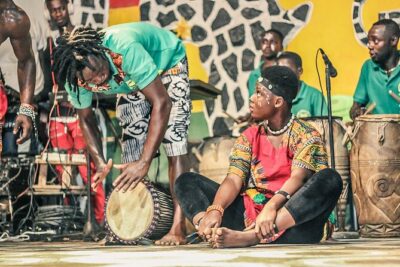
Full-Day Private Culture and History Tour of Accra
Read our review →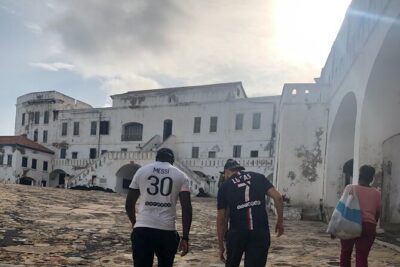
Ghana Private Historic Tour through Castles and Nature
Read our review →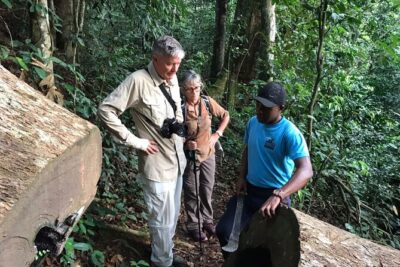
The Historic Cape Coast and Elmina Tour (The Land of History).
Read our review →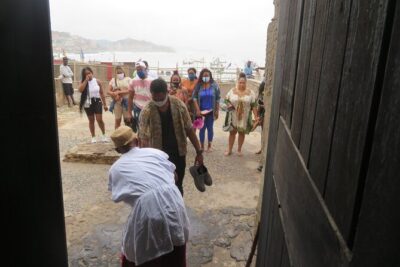
7-Day Private Cultural and Heritage Tour in Ghana
Read our review →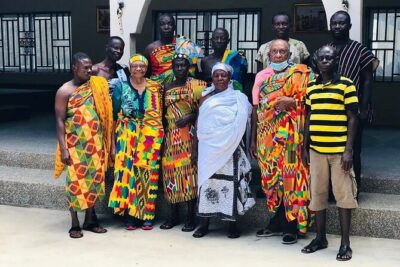
Naming Ceremony and Heritage Homecoming Experience for Diasporas
Read our review →Browse the lists this tour appears in