
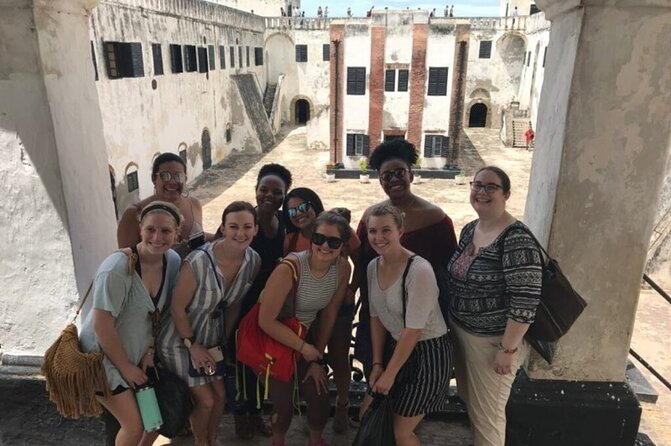
Reviewed · CAPE COAST CASTLE TOURS
4 Days Trip in Accra, Cape Coast,Kumasi culture & heritage tours
This trip is interesting because it stitches together Accra landmarks, rainforest views, and the Cape Coast slave castles, then carries that energy into Kumasi craft culture and name-giving tradition. I like that the day-to-day flow feels practical, with pickup and a full schedule of sites. I also like the hands-on art moments, especially the dye, stamping, and weaving activities that make the culture feel real and touchable.
Two things I’d put near the top are the Cape Coast Castle visits and the kente and adinkra workshops. One possible drawback is that it is a full 4-day run with travel built in, so if you want a slow pace, you might feel the schedule is tight.
Key highlights worth planning for
- Accra lineup that mixes big history stops with real everyday life at Makola Market
- W.E.B. DuBois Center and the Pan-African story behind it
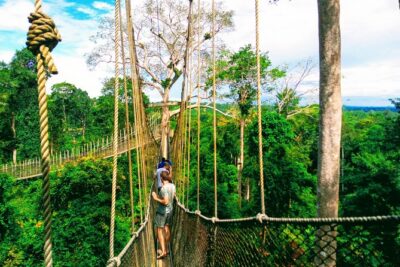
- Kakum National Park canopy walk with a steep approach and a high walk above the trees
- Elmina and Cape Coast Castles, including a moment often called the Door of No Return
- Bonwire Kente weaving with a lesson using ancient-style looms
- Adanwomase naming ceremony designed for African Americans and the Caribbean, plus a practical weave and cocoa farm visit
Accra First Stop: Museums, DuBois, and Independence Day sites
Your day starts in Accra with the National Museum of Ghana. This place is easy to enjoy even if you only have one hour, because the grounds feel pleasant and the galleries focus on Ghanaian culture and history through material culture, local crafts, and displays that give you a solid base before you go deeper into the coast and the former trade routes. It is also the kind of stop where you can set your own pace, quick overview first, then linger if something grabs you.
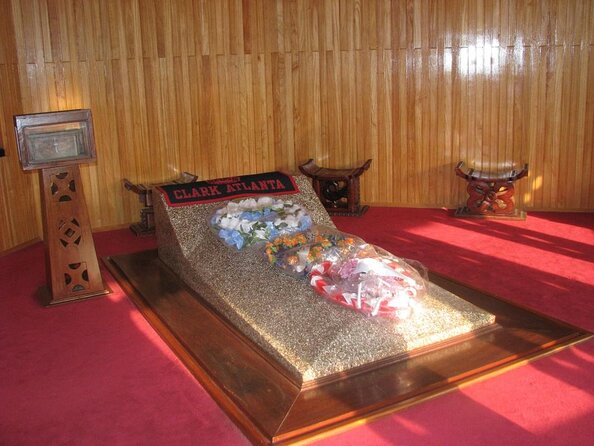
Next is the W.E.B. DuBois Center. This is more than a statue-style stop. It is dedicated to W.E.B. DuBois, the African American historian and Africanist who later became a Ghanaian citizen. You get a small museum component tied to DuBois personal library and works, plus an adjacent shrine area that includes his grave and the ashes of his second wife, Shirley Graham Dubois. If you want context for how ideas traveled across the Atlantic, this is a clear anchor.
After that, you move into Makola Market. This is one of those stops where the goal is not to shop the way you shop at home. The goal is to get your bearings fast. The market is described as open-air and huge, with plenty of people, scents, and sound. You walk through a major trading center and see how daily commerce shapes social life. It is the kind of place where you can understand Ghana without needing a script.
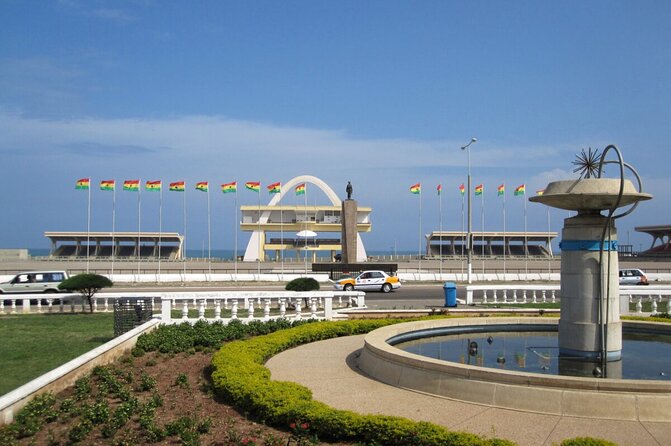
Then you cap the Accra sightseeing with Independence Square. You see the Independence Arch, the Black Star Gate, and the Liberation Day Monuments. The square is also known for large public gatherings and festivals, with Independence Day parades on March 6 each year. Even if your trip is not during a parade, the scale helps you understand how central independence remains to the city’s identity.
Other visits to Cape Coast Castle:
- The Cape Coast Day Tour
★ 5.0 · 525 reviews - The Cape Coast Tour
★ 5.0 · 177 reviews - From Accra: Cape Coast, Elmina Castle & Kakum Park Day Tour
★ 4.6 · 144 reviews
Centre for National Culture: textiles and craft browsing with purpose
The final Accra stop is the Centre for National Culture. You will see kente cloth, wood pieces, beadwork, leather bags, earrings, and other items tied to traditional fashion. There are stalls and craft bazaar sections, plus an indoor market area with more souvenir shopping. It is essentially a one-stop place to compare Ghana-made items across regions and materials.
Practical note: if you are trying to keep spending under control, use this stop to browse first. Then decide later if you want a specific textile or craft. You will be offered plenty of chances to buy items during the trip, and the one thing you cannot buy is time.
Makola Market and the Centre for National Culture: how to shop without losing the day
Markets can be a lot. The good news is this schedule gives you a time slot that is long enough to absorb what is going on without feeling stuck for hours. At Makola, plan to look at categories of goods instead of trying to name every product. Watch how vendors set up, how people move, and what items keep coming back in different stalls.
The Centre for National Culture is a different style of browsing. It is less about squeezing through a crowd and more about comparing finished items, especially textiles and accessories. If kente is your focus, this is where you can get your first close-up look at cloth quality and patterns before the workshops in the Kumasi-area day.
If you are the kind of person who likes photographs, the National Museum stop includes information about free or royalty-free photo use for commercial designs, with lifetime and worldwide terms mentioned. Still, it is smart to confirm the exact policy details on-site before you use anything commercially.
Kakum National Park canopy walk: the height, the trek, and why it matters
Day 2 begins with Kakum National Park. The headline is the canopy walk, where you walk about 40 meters above the ground. The route to the canopy walk includes a steep trek, and the experience is described as a test for visitors who are not quite fit. The walk itself is the payoff, because you are literally seeing the forest from above, with a view across tree tops that you would not get from ground level.
Here is the value for your trip: this is a reset after the structured city history stops. It also gives you a break from the heavy emotional weight that comes later on the coast. You come into the castles with more breathing room, and you will probably feel less rushed absorbing the sites.
If you prefer nature but hate physical effort, consider how the steep approach might affect you. The walk is the main draw, but the trek matters too.
More of the Ashanti region:
- Kumasi Heritage Tours And Naming Ceremony In A Day
★ 5.0 · 11 reviews - Full-Day Tour to Ashanti Region, Kumasi and Ghanaian History
★ 5.0 · 8 reviews - Accra: Tafi Kente Village, Monkey Sanctuary &Wli Waterfalls
★ 4.5 · 4 reviews - Experience the Culture of Ashanti Kingdom in 5days
★ 5.0 · 3 reviews
Elmina Castle and Cape Coast Castle: seeing trade routes up close

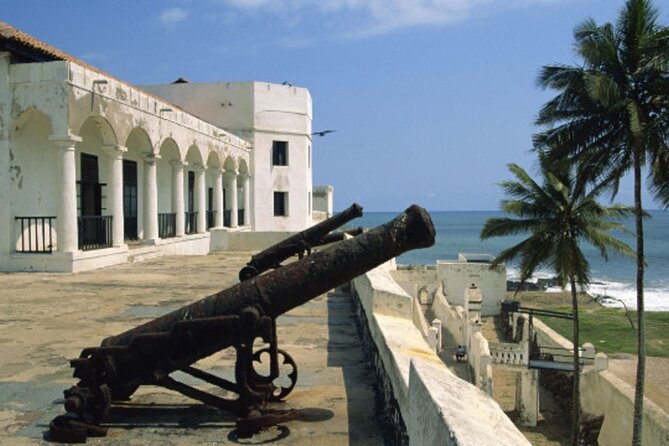
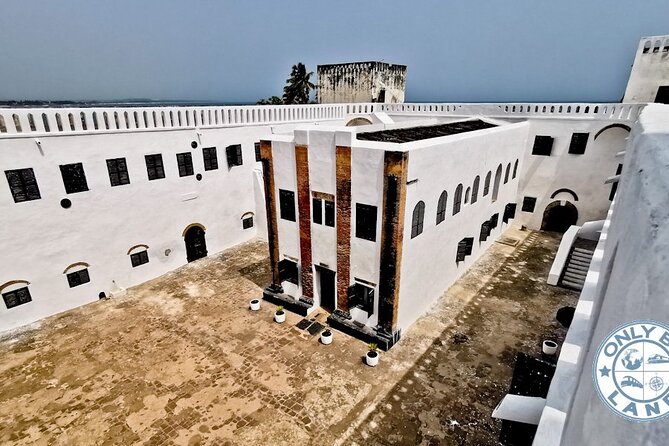
After Kakum, you head to the coast for Elmina Castle. This is known for its role in the Atlantic slave trade. The setting is a whitewashed medieval coastal castle, and the emphasis is on what happened within those walls: enslaved Africans taken from their homeland, held in place, and processed through the fortress system. You will have time for a guided-style understanding of the castle’s background and how transactions took place there.
Then you go to Cape Coast Castle. This stop is one hour long and includes access to the dungeons, the castle museum, and time around the castle area for photos and scenery viewpoints from the forts. Cape Coast Castle is also described as originally a Portuguese trading post established in 1555. That detail matters, because it ties the site into the wider story of European coastal trade and the long timeline of suffering that followed.
Door of No Return: plan for the emotion
One reason people rate this trip so highly is the emotional impact many feel at Cape Coast. The experience notes a moment called the Door of No Return, and it is described as sobering. That tells you what to expect: this is not a quick photo stop. If you want to process, keep your phone away for part of the visit. Let the guide’s context land, then take photos after.
If you want the trip to feel meaningful rather than just historic sightseeing, this is where you lean in. The whole schedule is designed so the craft and naming traditions on later days connect back to ancestry and social identity, not just aesthetics.
Bonwire Kente weaving: learning the cloth from the source
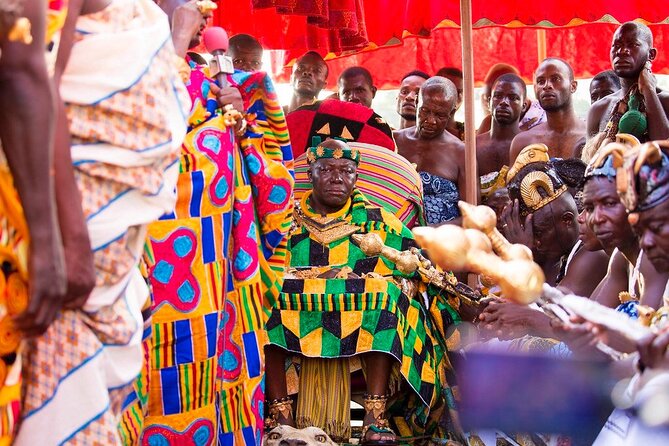
Day 3 shifts from coast to Kumasi-region cultural practice through the Bonwire Kente Weaving Centre. This is presented as the birth place of popular kente. You learn about the fabric that is worn on important occasions and celebrations, and you hear how each type of kente has symbolism and a name that ties back to history, culture, and the social practices of the weavers.
You also get a weaving lesson along the way. The description highlights ancient-style looms operated with hands and looms, which is exactly the kind of detail that makes a workshop worth your time. This is not just watching a machine run. It is watching skills that take time and repetition.
If your goal is to take home more than a souvenir, this is the day that delivers. You get the story behind the cloth, so when you see kente later in a shop, you can recognize why a pattern matters.
Ntonso Adinkra and the stamp-style craft method

Still in the Kumasi-area culture track, you visit Ntonso Adinkra Craftsmen. This stop focuses on Adinkra symbols and their meanings. You also get a hands-on style activity built around dye-making and stamping techniques. The process is described in a sequence you can actually picture: pounding the bue tree into the dye, drawing lines on cloth to divide it into squares, carving symbols into calabash gourds, pressing the gourd into dye on the cloth, then stamping like a local.
That step-by-step description is useful because it signals how participatory the tour is. Even if you do not become an expert in 2 hours, you see the logic behind the art and you understand why certain symbols carry messages and wisdom.
The Adanwomase naming ceremony: why it can feel life-changing
Then you reach Adanwomase. This activity is described as purposely for African Americans and Caribbean visitors. You get a date-of-birth-based Ghanaian names process, and you receive a Ghanaian name and certificate as part of a recognition tradition. The tour also notes an adornment of Ghanaian cloth tailored for you as part of the traditional gift of names.
After the ceremony, the schedule continues with practical kente weaving, weaving kente like locals. That means you do not just sit through a ceremony. You translate the cultural message into a craft action. The day ends with a visit to a cocoa farm that explains the beginning of rich cocoa and how it is nursed and harvested.
Even if you are not in the target group for the naming ceremony, you can still enjoy the craft and cocoa pieces. But if you are an African American or Caribbean visitor, this is the moment that many people remember most because it connects identity, family, and place.
Labadi Pleasure Beach: a lighter final day in Accra
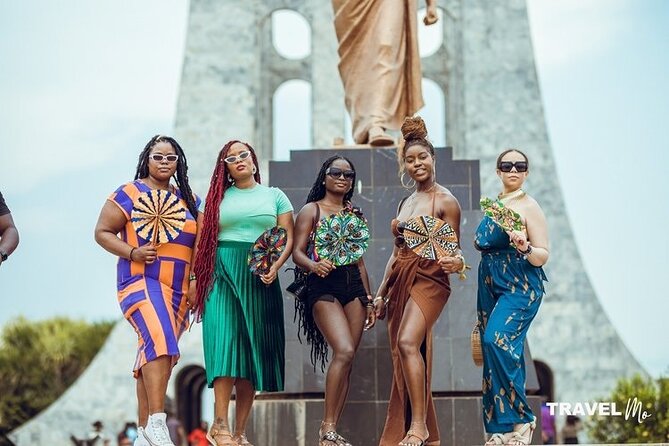
Day 4 brings you back to Accra for Labadi Pleasure Beach, also known as La Pleasure Beach. It is described as the busiest beach on Ghana’s coast and as locally maintained. The vibe here is more relaxed compared to the earlier days.
You get time to enjoy sea-shore activities, including horse riding and quad rides. That mix matters because you are not forced into one kind of beach time. You can slow down and look around, or you can choose the ride-style fun if you want movement and laughs.
A good way to think about the final day: it is your emotional landing zone. After the canopy walk and the heavy context of the castles and Door of No Return, the beach gives you space to breathe, snack, and reset.
Price and Logistics: what $750 buys you, and what it does not
The price is $750 per person for the 4 days. For a private tour, that number is easier to judge when you look at what is included. The package provides transportation, entrance fees, all taxes, bottle water, snacks, a tour guide service, plus multiple lunches and snacks. There is also mention of pickup offered and mobile ticket.
So you are paying for two big things: access and time. Access means you are not scrambling for entry tickets and trying to line up multiple guides for multiple cultural sites. Time means you have a schedule that connects Accra, the castles, and Kumasi craft in a clean flow.
What is not included is buying your own items. That likely matters if you love textiles, crafts, or souvenirs at the Centre for National Culture and the craft villages. Build a budget for purchases if you want to bring cloth or crafts home.
Two additional practical points that affect the experience: this tour requires good weather, and cancellation is free if you cancel up to 24 hours in advance, with poor-weather cancellations resulting in a different date or a full refund. Also, the canopy walk trek is steep, so if you have mobility concerns, plan around that physical requirement.
Private tour feel with a real operator: Isaac Clouds Bilson and Mr.BISMARK
One of the best parts of this kind of trip is whether your guide can hold the thread across very different experiences. In this case, the operator is described through BILSON Tours, with Isaac Clouds Bilson as the owner operator and CEO, and Mr.BISMARK as the driver. The shared experience around Bilson emphasizes punctuality and respect, plus strong history storytelling during the Accra day and the trip to Cape Coast.
For you, that matters because the emotional and cultural sites require context. When you get a guide who can pace the group and explain clearly, you spend less time guessing and more time understanding.
Who should book this 4-day Ghana heritage tour
This tour fits best if you want a balanced mix: city history, rainforest nature, and the coast sites tied to the Atlantic slave trade, plus Kumasi craft culture and identity-based tradition. It is also a strong match for African American and Caribbean visitors who want the naming ceremony component and the kente weaving follow-up.
It is private, meaning it is just your group. That helps if you want to ask questions, take photos at your own speed, and keep your day from turning into a sprint. The schedule also notes that most travelers can participate, with the one clear physical caution being the steep trek to the canopy walk.
If you want a trip that gives you real context and not just checkmarks, this is the kind of itinerary that can do that.
Should you book Bilson Tours for Accra, Cape Coast, and Kumasi heritage?
If your travel style is part history, part culture, and part hands-on art, I think this is a good bet. The combination of Kakum canopy views, the Elmina and Cape Coast context, and the practical kente and adinkra activities makes the trip feel connected, not random. The naming ceremony is the standout when it applies to you personally.
Before you book, be honest about two things: you will move a lot in 4 days, and good weather is required. If you are ready for a full schedule and you want meaningful cultural learning, this tour’s structure is built to deliver.
FAQ
How long is the trip?
It is listed as approximately 4 days.
What time does the tour start?
The start time is 9:00 am.
Is pickup offered?
Yes, pickup is offered.
Is this a private tour?
Yes, it is private. Only your group will participate.
What is included in the price?
Transportation, entrance fees, all taxes, bottle water, snacks, a tour guide service, and lunch are included (the itinerary lists 3x lunch and also shows a lunch line item).
What is not included?
Buying your own items is listed as not included.
What happens if the weather is bad?
The experience requires good weather. If it is canceled due to poor weather, you will be offered a different date or a full refund.
More Historical Tours in Accra
- Experience the Beauty, History and the Culture Of Accra in a Day
★ 5.0 · 323 reviews - Ghana Heritage Tours – Beyond The Return
★ 5.0 · 36 reviews - 10 Days Ghana Cultural and Heritage Trip
★ 5.0 · 31 reviews - Cape Coast Historical Day Tour
★ 5.0 · 24 reviews
Newly reviewed around Accra
- Private Slave Castles and Dungeons Tour in Cape Coast, Ghana★ 5.0 · 3 reviews
- Half-Day Guided Fabric Tour in Ghana★ 5.0 · 3 reviews
- Day Tour to Kakum National Park, Cape Coast and Elmina Castles★ 5.0 · 3 reviews
- Cape Coast Day Tour★ 5.0 · 3 reviews
- Cultural Tour Of Ghana And South Africa 12 Days★ 5.0 · 3 reviews
- Full Day Accra Guided Tour★ 5.0 · 3 reviews
- Experience Aburi Botanical Gardens And Boti Water Falls In A Day.★ 5.0 · 3 reviews
- Experience the Culture of Ashanti Kingdom in 5days★ 5.0 · 3 reviews
Cape Coast Castle Tours, compared.

Cape Coast, Elmina Castle & Kakum Park Day Tour
Read our review →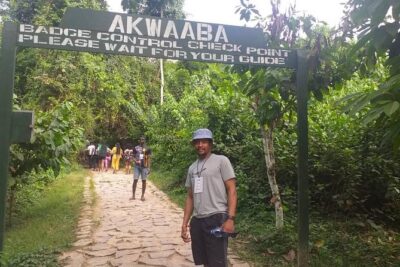
Cape Coast ,Elmina Castle and Kakum Full-Day Tour
Read our review →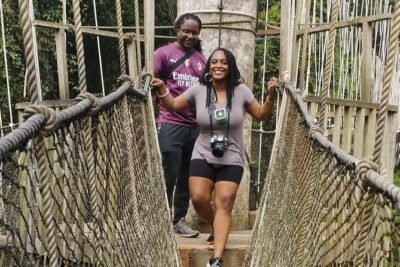
10 Days Trip to Cape Coast and Elmina Castles from Accra
Read our review →
Assin Manso Slaves River and Cape Coast Castle Tour
Read our review →Browse the lists this tour appears in