
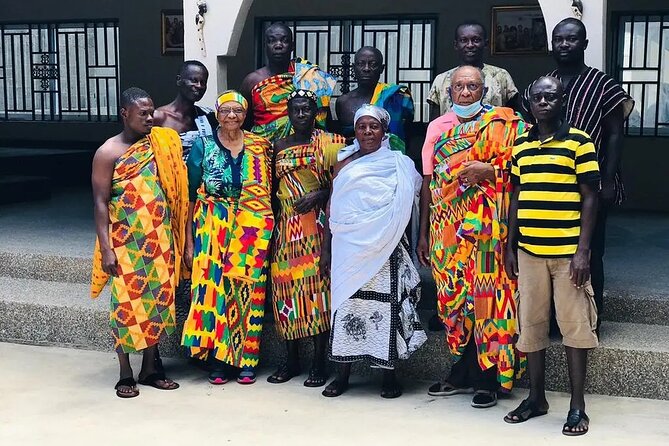
Reviewed · GHANAIAN NAMING CEREMONIES
Naming Ceremony and Heritage Homecoming Experience for Diasporas
A traditional Ghana naming ceremony is one of those experiences that feels both deeply personal and very social. For people from the African American and Caribbean diaspora, it can turn a family story you heard at home into something tangible, spoken by a community and marked with a certificate.
I like how this is built around your birth identity rituals. You share your date of birth so the ceremony can point to your day and your “Soul Name,” plus a local name with a meaning. I also like that it is not a silent, seated formality, it includes traditional drumming and dancing, with the respected elder leading the proceedings.
One thing to consider, especially if you have a specific expectation, is that this can feel like a village-style ceremony rather than an indoor performance. If you were hoping for a more theater-like, re-naming style in Accra, go in ready for the real cultural setting and how it may look and feel in practice.
Key things to know
- Soul Name based on your birth date, plus a local Ghanaian name with meaning
- Traditional drumming and dancing as part of the welcoming ritual
- A gift from the community, which may include beads or a Ghana Kente Stole
- Certificate of recognition provided as a lasting keepsake
- Led by a respected elder known for strong moral standing in the community
- Private group experience where only your group participates
Ghana Naming Ceremony: Why This Ritual Resonates for Diasporas

This experience is interesting because it takes identity seriously, not as a branding exercise, but as a tradition you step into. You are given language for who you are in a Ghanaian cultural framework. That means your date of birth becomes more than a personal detail, it becomes part of a ceremony that links you to ancestors, community elders, and local naming wisdom.
For diasporas, that connection can be emotional in a quiet way. You may not just be watching something cultural, you could be receiving a name and a story that feels like it fits your life. Even if you are not from Ghana originally, this is the kind of welcome that treats you as more than a visitor.
And while the wording of the experience is modern and accessible, the structure is traditional: a respected elder guides the ceremony, there is music and movement, and you receive a recognition certificate. It is also designed so your visit is not passive. You actively participate by sharing your birth information.
More naming ceremony experiences:
- The Ancestral Naming Ceremony and Home Coming Experience
★ 5.0 · 30 reviews - Traditional Naming Ceremony and Boat Cruise Experience
★ 5.0 · 15 reviews - Kumasi Heritage Tours And Naming Ceremony In A Day
★ 5.0 · 11 reviews
The Morning Plan: Pickup at Kotoka Airport and How Long to Block
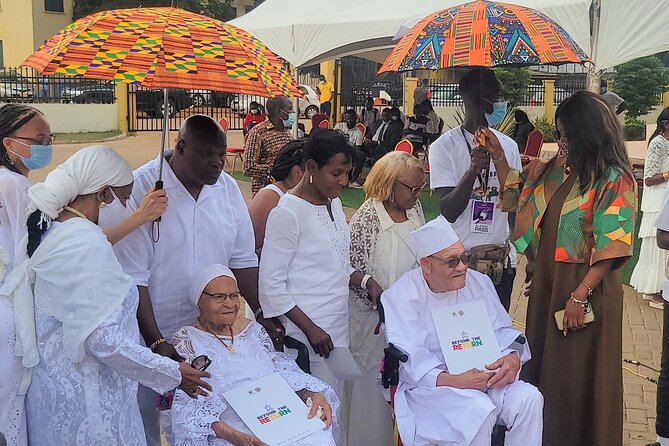
The experience starts at 7:00 am at Kotoka Airport in Accra, and it ends back at the meeting point. Duration is listed as about 5 to 8 hours, which is a realistic window for a half-day outing that includes travel time, ceremony time, and the moment of receiving your name and gifts.
The ceremony portion itself is described as around 3 hours, with admission ticket listed as free. Translation for your planning: treat this like a full morning commitment. You should eat before you go if you can, and build in a slow, unhurried pace afterward.
Because pickup is offered and you return to the original meeting point, you will likely avoid the hassle of figuring out multiple transfers on your own. That matters when you are trying to show up calm and focused for a ritual where you are expected to be attentive and ready to participate.
What You Receive: Soul Name, Local Name Meaning, Certificate
This is the heart of the day, and it is worth understanding what each piece likely means to you.
Your Soul Name from your birth day
You provide your date of birth, and the ceremony uses that information to determine your “Soul Name.” The idea is simple and powerful: who you are is connected to when you were born, and your birth day holds identity meaning in the local tradition.
If you like experiences that are not one-size-fits-all, this is a big reason to pick this tour. It is tailored to you, not just a generic script.
A few more Accra days to weigh up
- Experience the Beauty, History and the Culture Of Accra in a Day
★ 5.0 · 323 reviews - Ghana Heritage Tours – Beyond The Return
★ 5.0 · 36 reviews - 10 Days Ghana Cultural and Heritage Trip
★ 5.0 · 31 reviews - Cape Coast Historical Day Tour
★ 5.0 · 24 reviews
Your local Ghanaian name and its meaning
On top of the Soul Name, you also receive a local name from the community, along with a meaning. That part can feel practical as well as spiritual. A name with a meaning becomes a story you can repeat, share with family, and remember years later.
Certificate of recognition
You are also given a certificate of recognition. Some people love certificates because they are proof. Others love them because they give the memory a formal anchor you can keep without it fading into photos.
When an experience gives you both an identity element and a document, it tends to stay more real in your mind.
Drumming, Dancing, and the Welcoming Gift: How It Builds Community Feel
Even if you came for the name, the ceremony is meant to be felt. Expect traditional drumming and dancing as part of the event. That is not just entertainment. Rhythm, call-and-response energy, and group movement are often how communities set the tone for welcome, acknowledgment, and shared attention.
Then there is the community gift. The experience says you may receive beads or a Ghana Kente Stole with Welcome to Ghana written and designed on it. You may also get Ghanaian cloth that has been tailored for you, described as being adorned for you as the child of these earth from your root.
You should treat those items as part of the ritual, not souvenirs. They are symbolic clothing and tokens of reception. If you are the type who likes to travel light, you may want to plan for careful handling, storage, and what you will do with the cloth or stole after the ceremony.
If you are traveling with family or a group, this is also where the moment can become extra memorable. You will likely leave with something that visually marks the day, not just a memory.
Who Leads It: The Respected Elder and the Tone of the Ceremony
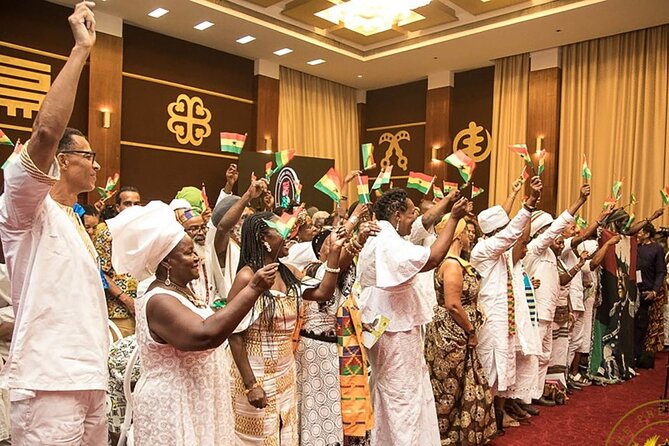
The naming ceremony is conducted by a respected elder known for strong moral standing within the community. That detail matters because it signals how seriously the ritual is taken.
Elders are typically the ones who hold the structure, the pacing, and the meaning. So even if you have a modern, curious approach, you will want to follow cues during the ceremony. In experiences like this, your job is not to direct, it is to participate respectfully and show up open to instructions.
There is also a behind-the-scenes aspect that is hard to capture in online descriptions. When an elder leads, the group dynamic can feel more personal than a staged event. That is one reason some people find the ceremony transformative, even if they do not expect a big storyline.
Where It Happens in Practice: Rural Village Style vs an Indoor Performance
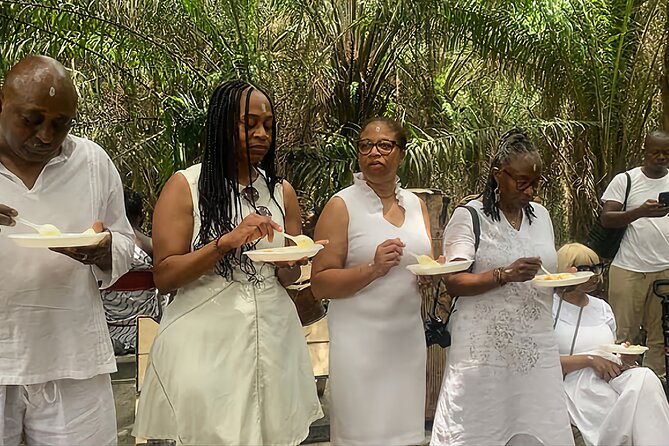
The experience describes joining a rural Ghana village or a community in Accra for the ceremony. One review highlighted a mismatch in expectations. The person expected a different kind of ceremony, but the response emphasized that the goal was an original naming ceremony done in a village, not something indoors in Accra.
So here is your practical takeaway: plan for a setting that feels like a real community ritual. That might mean the environment is more open than a museum hall. It might also mean you share space with more of the community than you would at an indoor event.
This is a key “fit” factor. If you want cultural context and face-to-face welcome, that village-style approach is exactly what you should be looking for. If you prefer tightly controlled indoor settings, this may be emotionally moving but logistically different than what you imagined.
The Value Question: Is $265 Worth It?
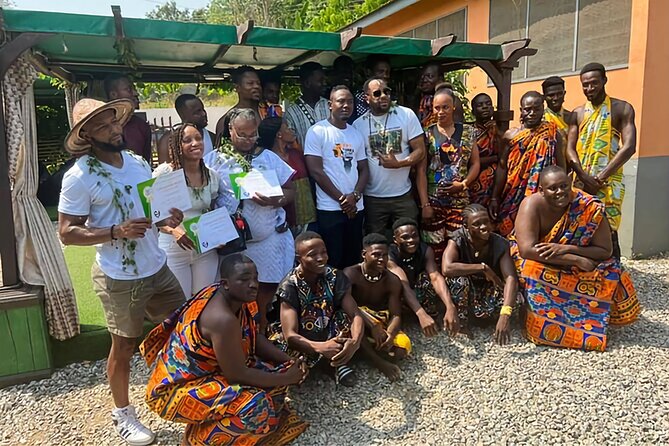
At $265 per person, this is not the cheapest way to spend a morning in Accra. The value comes from what is included and how personalized it is.
You are paying for:
- A facilitated ceremony led by a respected elder
- Participation that uses your date of birth to determine naming elements
- A Soul Name, plus a local name with meaning
- Traditional drumming and dancing
- A gift that may include beads or a Kente stole, plus tailored Ghanaian cloth described in the experience
- A certificate of recognition
- Pickup and return to the meeting point, with a private group setup
In other words, you are not just paying for “watching.” You are receiving identity results and culturally specific tokens, with a structured welcome that is hard to replicate on your own.
If you have a small group and can qualify for group discounts, the price can feel more sensible. If you are traveling solo, it can still be worth it if you value identity rituals and meaningful, symbolic keepsakes. Just be clear that this is an experience with cultural participation at its center, not a casual city tour.
How to Prepare So the Day Feels Smooth
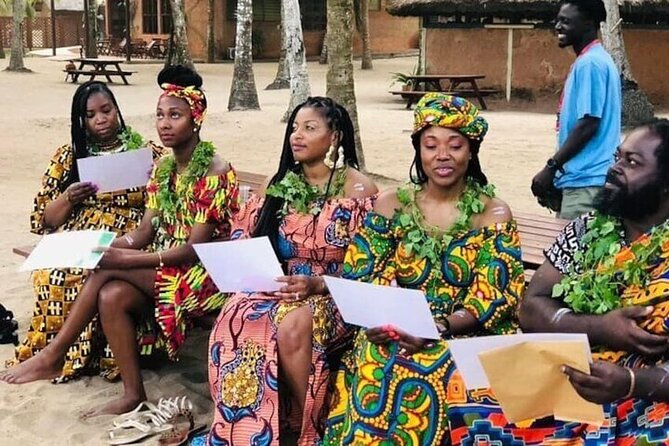
The provided details do not spell out a dress code or what exactly you should bring beyond basic participation. So I will keep this grounded in what is safe to recommend for ceremonies like this, and what will reduce stress for you.
- Bring your date of birth information confidently. You will give it for the naming process.
- Wear clothes that let you move comfortably, since drumming and dancing are part of the event.
- Plan your morning so you are not rushing. A 7:00 am start can make or break your mood, especially if you are emotional about the meaning of a name.
- If you have any concerns about how the ceremony works, ask early. This is a private experience with your group, so you can often get clearer expectations before you arrive.
If you are bringing a service animal, the experience states service animals are allowed, and the activity is described as near public transportation. That should make planning easier.
Best Fit: Who Will Enjoy This Most?
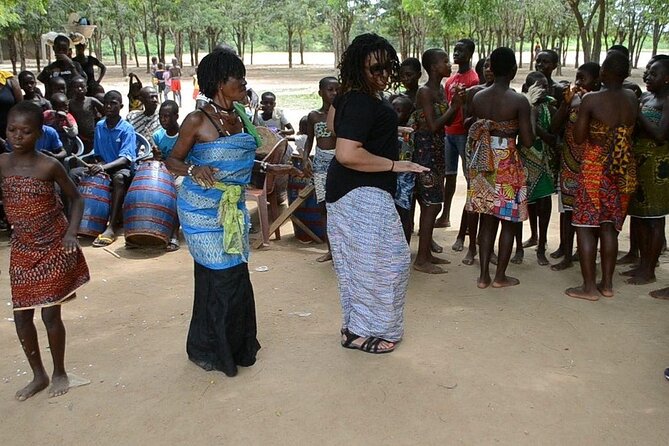
This tour is a strong match if you want one of these outcomes:
- You have African American or Caribbean roots and you want a direct, structured connection to Ghanaian identity traditions.
- You care about a gift and certificate that mark the day in a formal way.
- You prefer experiences with community focus, music, and a real ceremonial flow rather than a quick photo stop.
It is also a good fit if you want a private setup. The experience notes it is private, only your group participates. That can help if your group includes elders, teens, or anyone who needs space to reflect and listen.
If you want a classic sightseeing itinerary, this is probably not it. This is about being named and welcomed, not about seeing dozens of landmarks.
Quick Practical Notes for Your Day
- Start time is 7:00 am at Kotoka Airport.
- Total time is listed as about 5 to 8 hours, with the ceremony portion described as around 3 hours.
- The tour includes pickup offered, and you return to the meeting point.
- Confirmation is received at booking.
- Mobile ticket is available.
- Most travelers can participate.
These are the details that help you avoid surprises. The key is to plan your schedule around the morning start, and give yourself enough time afterward to decompress.
Should You Book the Naming Ceremony?
Book this if you want a ceremony that results in something you can carry, a Soul Name linked to your birth day, a local name with meaning, plus a certificate and community gifts. This is also a good choice if you value the idea that identity is not abstract, it is spoken, received, and marked with ritual.
I would not book it if you are mainly after an indoor, museum-like cultural show. The point here is a ceremony style that can feel village-grounded and community-based, with drumming, dancing, and an elder leading the process.
If you are ready for a morning that is personal and participatory, this is a meaningful way to connect with Ghana in a way that is more than sightseeing.
FAQ
What time does the naming ceremony start?
It starts at 7:00 am and the activity ends back at the meeting point.
Where is the meeting point and where do we return?
The start point is Kotoka Airport in Accra, Ghana, and the experience ends back at the same meeting point.
How long does the experience take?
It is listed as approximately 5 to 8 hours overall, with the naming ceremony portion described as about 3 hours.
What do I get during the naming ceremony?
You receive a Soul Name based on your birth day, a local Ghanaian name with meaning, and a certificate of recognition. You may also receive a gift from the community such as beads or a Ghana Kente Stole, and Ghanaian cloth tailored for you.
Is pickup included?
Pickup is offered.
Is this a private experience?
Yes, it is a private tour/activity, and only your group will participate.
Are service animals allowed?
Yes, service animals are allowed.
What is the cancellation policy?
Free cancellation is available. You can cancel up to 24 hours in advance for a full refund. If you cancel less than 24 hours before the start time, the amount paid will not be refunded.
Newly reviewed around Accra
- Private Slave Castles and Dungeons Tour in Cape Coast, Ghana★ 5.0 · 3 reviews
- Day Tour to Kakum National Park, Cape Coast and Elmina Castles★ 5.0 · 3 reviews
- Half-Day Guided Fabric Tour in Ghana★ 5.0 · 3 reviews
- Cultural Tour Of Ghana And South Africa 12 Days★ 5.0 · 3 reviews
- Cape Coast Day Tour★ 5.0 · 3 reviews
- Experience Aburi Botanical Gardens And Boti Water Falls In A Day.★ 5.0 · 3 reviews
- Experience the Culture of Ashanti Kingdom in 5days★ 5.0 · 3 reviews
- Full Day Accra Guided Tour★ 5.0 · 3 reviews
Ghanaian Naming Ceremonies, compared.

The Ancestral Naming Ceremony and Home Coming Experience
Read our review →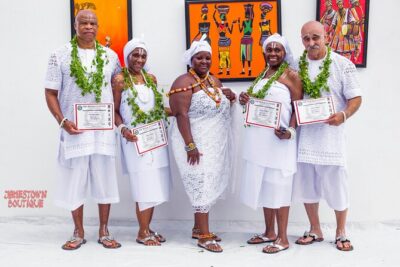
Traditional Naming Ceremony and Boat Cruise Experience
Read our review →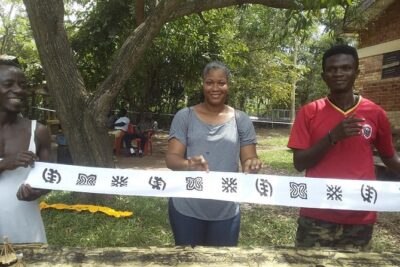
Kumasi Heritage Tours And Naming Ceremony In A Day
Read our review →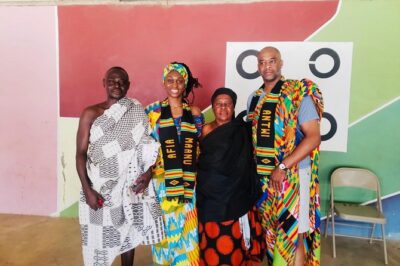
Traditional naming ceremony For African Diasporas in Kumasi
Read our review →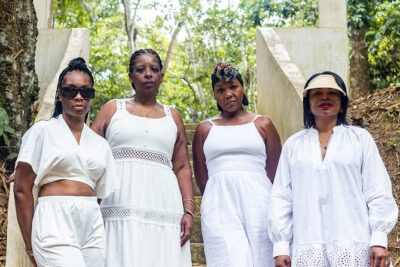
Naming Ceremony, Assin Manso Slave River and Cape Coast Castle
Read our review →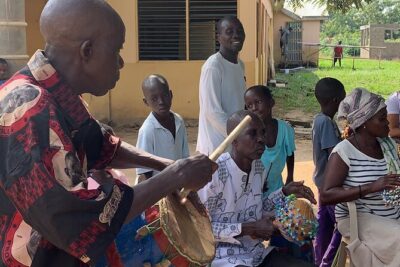
Cultural Village Tour: Traditional Naming Ceremony
Read our review →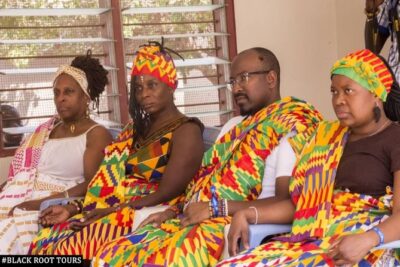
Traditional Naming Ceremony For African Americans In Kumasi
Read our review →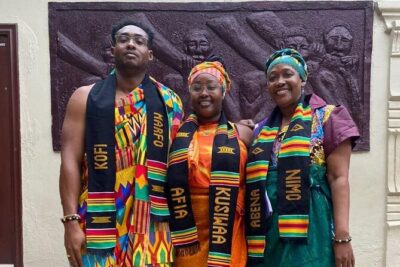
Full Day Tour with Traditional Naming Ceremony in Kumasi
Read our review →Browse the lists this tour appears in