
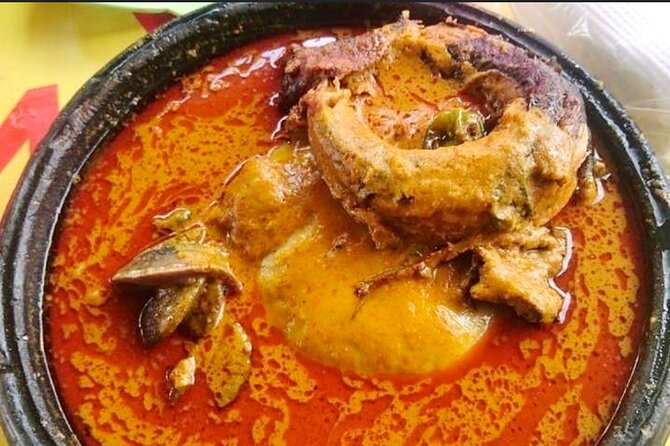
Reviewed · COOKING CLASSES
Authentic Ghanaian Cooking Lessons and Take Out Services.
Cooking this way is interesting because you are not just tasting Ghana, you are making it. In Accra, you spend about 4 hours doing hands-on work, from prepping ingredients to finishing full dishes you can repeat at home.
I love the end-to-end coaching. You learn the method, not just the final result, and the menu options give you a real sense of Ghanaian everyday cooking.
One possible drawback is logistics. Private transportation is not included, so you’ll want a plan to get to Diabase Street and back comfortably.
Key highlights you should know
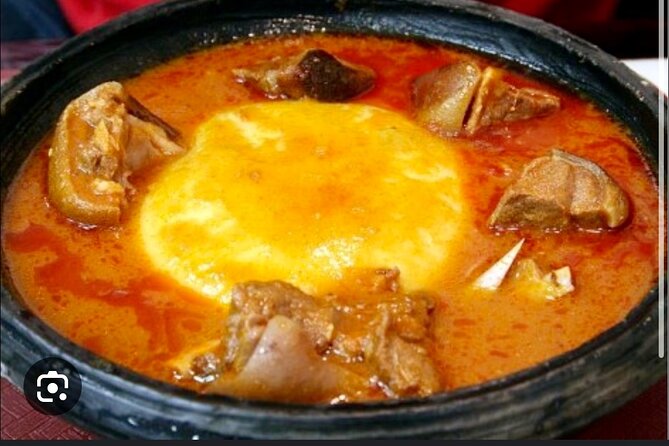
- Ceccy leads the class, and the tone stays relaxed and welcoming
- Two complete meals plus a side dish or dessert, with leftovers packed for later
- Hands-on cooking from scratch to finish, so you actually learn the steps
- Dish stories and practical tips, including ingredient substitutions if needed
- Allergies are considered, and you can ask culture questions while you cook
- Small group size with a max of 10 people, plus music and games
Entering the Kitchen on Diabase Street, Accra
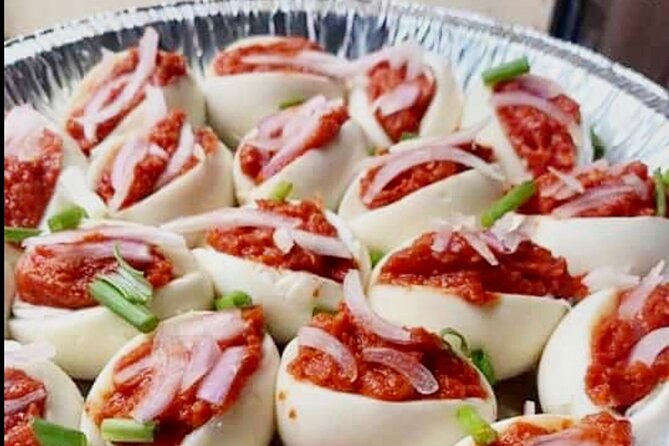
This cooking lesson is built around one simple idea: if you can cook it once with guidance, you can cook it again later in your own kitchen. You meet at Diabase Street (Diabase St, Accra, Ghana), and the activity ends right back where it starts. That loop matters, because after four hours you may be hungry, you may be tired, and you still want an easy return.
At $25 per person for about 4 hours, this is not just a snack stop. The value comes from doing real cooking work, learning what goes into Ghanaian dishes, and leaving with food for another meal or two. Also, the class is small, with a maximum of 10 people, which helps keep the pace comfortable rather than rushed.
The host is Cecilia, often called Ceccy in the class experience. From the comments people leave, her strength is patient, friendly instruction, plus a willingness to talk about food culture while you cook.
A few more Accra days to weigh up
- Home Cooking Class by Auntie K
★ 5.0 · 62 reviews - Local Ghanaian Cooking Class in Accra to help support wellness community center
★ 4.5 · 22 reviews - Authentic Ghanaian Cooking Class in Accra
★ 4.5 · 11 reviews
Choosing Your Two Complete Meals (and Planning Your Side or Dessert)
The first practical moment is the menu choice. You get to select the kind of Ghanaian meal plan you want for the session. The standard package is two complete meals, with either a side dish or a dessert included. That gives you some flexibility, especially if you want something hearty for the main dishes but also want sweetness or extra texture on the side.
When you pick your meals, you are really picking the cooking skills you’ll take home. For example, many people mention making jollof rice and chicken groundnut soup, along with sides that can include plantain and vegetables. Others also mention fried chicken. Even when the exact combination varies, the pattern stays useful: you practice rice and sauce work, soup seasoning and thickness, and side cooking that rounds out a Ghanaian plate.
If you have a preference, you can also ask for ingredient swaps. If something you normally associate with the dish is not available in your area, the class shares substitution options so you can recreate the spirit of the recipe without guessing.
A Typical 4-Hour Flow, From Prep to Finishing
There is no point in paying for a class if you only watch. Here, you cook. The lessons are hands-on from scratch to finish, which means you will be doing the work step by step rather than standing back while someone else does everything.
A realistic way to think about the pacing is this: you’ll start with ingredient prep and key cooking stages, then move into assembling and finishing two meals. Throughout the process, the instructor shares history and context behind each indigenous meal. That part is not academic, it is practical. Understanding where a dish fits in Ghanaian food habits helps you remember why certain ingredients are used, and it also helps you troubleshoot when you cook later at home.
You can also expect the class to feel like a small social event, not a lecture. Music, games, and general friendly energy keep the session fun, and it makes asking questions easier. People mention that the conversation about dishes and culture is part of what makes the learning stick.
At the end, you get to eat what you helped make. And then comes one of the best parts: you leave with two packaged leftovers. That means you are not just buying a lesson, you are also buying future meals.
The Cooking Skills You Can Actually Reuse at Home
The best cooking classes give you more than recipes. They give you technique you can repeat. This one is designed for that, because the instructor walks you through how to build flavor and structure across a full meal, not a single dish.
Here is what you are effectively practicing:
- Reading and working with ingredients, from fresh items to key cooking bases
- Timing, so one dish does not get delayed while another finishes
- Seasoning and adjustment, so sauce and soup tastes balanced
- Finishing, so plated food looks and tastes like something you would serve
The class also makes it easier to learn if you are not a confident cook. You do not need to arrive with cookware. Cooking utensils are provided, so you can focus on technique instead of packing pots and pans for a half-day activity.
Another underrated piece is how the instructor handles ingredient availability. The class shares substitute ingredients when what is used is not available in your locality. That is huge for realism. Most people do not want a recipe that depends on a single impossible specialty item.
A slower Accra day, if you have one spare:
- The Cape Coast Day Tour
★ 5.0 · 525 reviews - Experience the Beauty, History and the Culture Of Accra in a Day
★ 5.0 · 323 reviews - The Cape Coast Tour
★ 5.0 · 177 reviews - From Accra: Cape Coast, Elmina Castle & Kakum Park Day Tour
★ 4.6 · 144 reviews
Food Stories, Cultural Questions, and Why It Matters
You get explanations behind each indigenous meal. This is not about memorizing trivia. It helps you understand the logic of Ghanaian cooking: why people choose certain staples, how sauces and soups are built, and what a complete plate usually includes.
You also get time to ask questions about Ghanaian culture. That matters because cooking is cultural. Even if you do not become an expert on day one, you leave with a better sense of how people think about food at home.
A few people also mention spending a lot of time talking during the cooking process, which is a good sign. A class that allows questions is a class where learning can adapt to you, your comfort level, and your curiosity.
Take Away, Leftovers, and Eating Again the Same Day
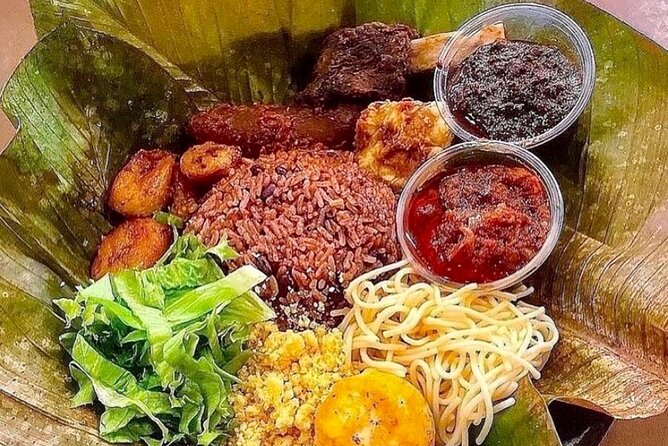
If you like practical value, this is one of the strongest parts. Lunch ingredients are factored into the cost. You can either eat in or take the packed meals away. On top of that, you get two packaged leftovers, so you do not have to turn your whole trip into restaurant meals.
This affects how you should plan your day. Since you have leftovers, you can treat the class like both an activity and a meal plan tool. You can also schedule it when you are likely to want a relaxed evening, because you’ll already have food ready at your accommodation.
For many visitors, that take-away structure makes the class feel like a bargain. You pay for instruction, eat your lunch, and still have another meal lined up.
Price and Value: Why $25 Can Make Sense Here
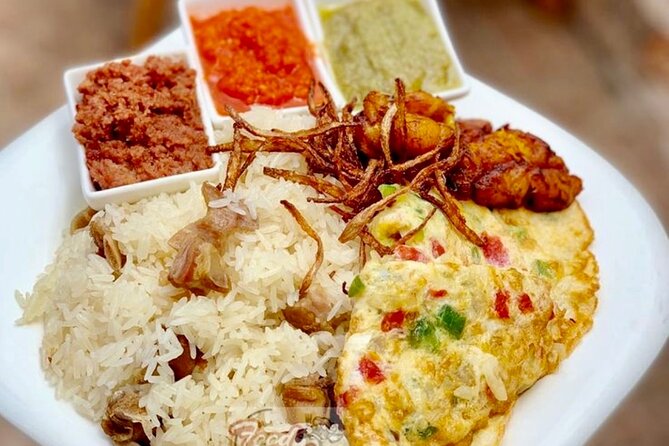
Let’s talk money in a grounded way. $25 per person for a 4-hour hands-on cooking session includes:
- Ingredients for lunch
- Utensils, provided by the outfit
- Fees and taxes
Not included is private transportation, but that is standard for city-based activities. If you are already in the area or can reach Diabase Street easily with public transport, the main cost becomes the cooking experience itself.
Where the value really shows is in what you take home. Most cooking lessons cost roughly the price of a nice meal, but they do not always feed you afterward. Here, you can eat in or take food away, and you receive two packaged leftovers. That changes the math.
Also, the class is capped at 10 people, which supports a more personal pace. You are not fighting for attention or standing idle for long stretches.
Practical Logistics and What to Bring
The essentials are simple. You do not need to bring cooking tools because utensils are provided. You do need to show up ready to cook, taste, and ask questions.
A few practical notes based on the stated experience format:
- The session uses a mobile ticket
- Confirmation is received at booking time
- It is near public transportation, which helps if you are relying on transit
- The class is about 4 hours, so wear something comfortable and be ready for some kitchen warmth and movement
- You can take pictures and videos during the experience
If you care about your meal plan, think ahead before you arrive. Choose dishes you actually want to learn, not just dishes that sound famous. When you leave with leftovers, you will be thankful you cooked food you enjoy.
Allergies, Ingredient Substitutions, and Meal Matching
Food allergies and ingredient restrictions can make or break a class experience. Here, allergies are considered when combining ingredients. That means the instructor should be able to adjust how ingredients come together.
The class also shares substitute ingredients if an ingredient used is not available in your locality. Even if you do not have allergies, this helps you recreate dishes at home without frustration. It also makes the learning feel more realistic, because you are not locked into a single supply chain.
If you have a serious allergy, make sure you communicate it clearly at the start. The better you are about explaining what you cannot eat, the easier it is for the class to adapt.
When You Might Prefer Ordering Instead of Cooking
Not everyone wants to cook for four hours, even if they love food. The good news is there is an option to replace the meal lessons with ordering specific meals at the same fee.
This can work well if you:
- Want Ghanaian food for a day you do not want to cook
- Prefer to spend your energy exploring rather than cooking
- Have limited time but still want a structured, prepared food option tied to the same menu style
You’ll miss the hands-on technique, but you still get access to the dish choices offered by the experience.
Extra Options: Practice Time and Sharing Food
If you fall in love with the cooking and want more reps, there is an option to book an appointment to use the kitchen for further practice at a reasonable fee. That is ideal if you want to build confidence, not just collect a one-time recipe.
There is also an option to increase meal quantity for sharing, such as with friends or orphanages, at a reasonable fee. If your trip includes a philanthropic angle, this gives you a practical way to do something meaningful without improvising food logistics yourself.
Who This Ghana Cooking Lesson Is Best For
This fits best if you want an active, practical culture experience. You will probably enjoy it most if you:
- Like learning by doing, not just eating
- Want dishes like jollof rice, groundnut soup, or plantain sides you can cook again
- Prefer a small group where your questions matter
- Travel with a friend or sibling and want to cook together
- Are comfortable eating what you make, including leftovers
If you hate hands-on kitchen work, or you want a passive cultural tour, this probably will not be your best match. But if you want to leave with both food and skills, it lands in the sweet spot.
Should You Book This Cooking Class?
Book it if you want more than a meal. I think it is worth considering when you want a full Ghanaian meal practice session with real instruction, dish stories, ingredient substitutions, and food to take away. The small size, the utensils provided, and the two leftover packs push the value in a direction that feels fair for the time.
Skip it or consider the order-instead option if you cannot realistically make it to Diabase Street and back without hassle, or if you do not want to cook for four hours. Also, if you are very sensitive about ingredients, plan to communicate allergies early so the class can adapt properly.
If you are ready to cook and you want the confidence to make Ghanaian dishes at home, this is a strong choice in Accra. And if you end up learning jollof rice or chicken groundnut soup, you’ll probably be grateful you practiced with someone who cares about getting the steps right.
FAQ
Where is the class meeting point in Accra?
The experience starts at Diabase Street (Diabase St, Accra, Ghana). It also ends back at the same meeting point.
How long does the cooking class last?
The duration is about 4 hours.
What does the $25 per person price include?
The price includes lunch ingredients, cooking utensils provided by the outfit, and all fees and taxes.
Can I eat the food there or take it away?
Yes. Lunch ingredients are included, and you can either eat in or take away packed meals.
Do I get leftovers to take home?
Yes. You enjoy the prepared meals and also receive two packaged leftovers.
Can I choose what meals we cook?
Yes. You can choose any package of choice, which includes two complete meals with either a side dish or a dessert.
Are allergies handled during the cooking?
Allergies are considered when combining ingredients for the meals.
Is there a group size limit?
Yes. The experience has a maximum of 10 travelers.
What is the cancellation policy?
You can cancel for a full refund up to 24 hours in advance. If you cancel less than 24 hours before the start time, the amount you paid will not be refunded.
Newly reviewed around Accra
- Private Slave Castles and Dungeons Tour in Cape Coast, Ghana★ 5.0 · 3 reviews
- Day Tour to Kakum National Park, Cape Coast and Elmina Castles★ 5.0 · 3 reviews
- Half-Day Guided Fabric Tour in Ghana★ 5.0 · 3 reviews
- Cultural Tour Of Ghana And South Africa 12 Days★ 5.0 · 3 reviews
- Cape Coast Day Tour★ 5.0 · 3 reviews
- Experience the Culture of Ashanti Kingdom in 5days★ 5.0 · 3 reviews
- Full Day Accra Guided Tour★ 5.0 · 3 reviews
- Experience Aburi Botanical Gardens And Boti Water Falls In A Day.★ 5.0 · 3 reviews
Cooking Classes, compared.

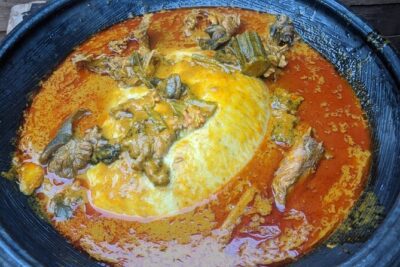
Local Ghanaian Cooking Class in Accra to help support wellness community center
Read our review →
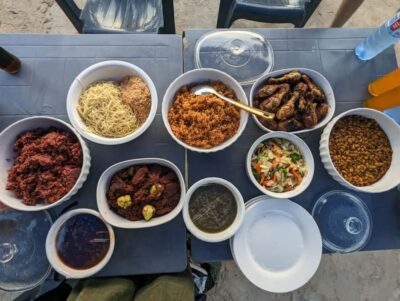
Browse the lists this tour appears in