
Reviewed · SLAVE ROUTE HERITAGE SITES
Accra Slave Tour
What makes this tour so interesting is that it tells part of the Trans-Atlantic Slave Trade story from Accra itself, not just from the famous Cape Coast sites. I like that you focus on specific remnants you can actually stand near, especially the British-built James Fort and nearby fort and street areas tied to the trade.
I also appreciate that it is a private, English-guided experience with transport and water, so you can concentrate on the sites without scrambling. One possible drawback is that 3 hours is a tight time window for heavy subject matter, so you may want to mentally pace yourself and allow extra time afterward in Accra if you can.
Key Highlights to Know Before You Go
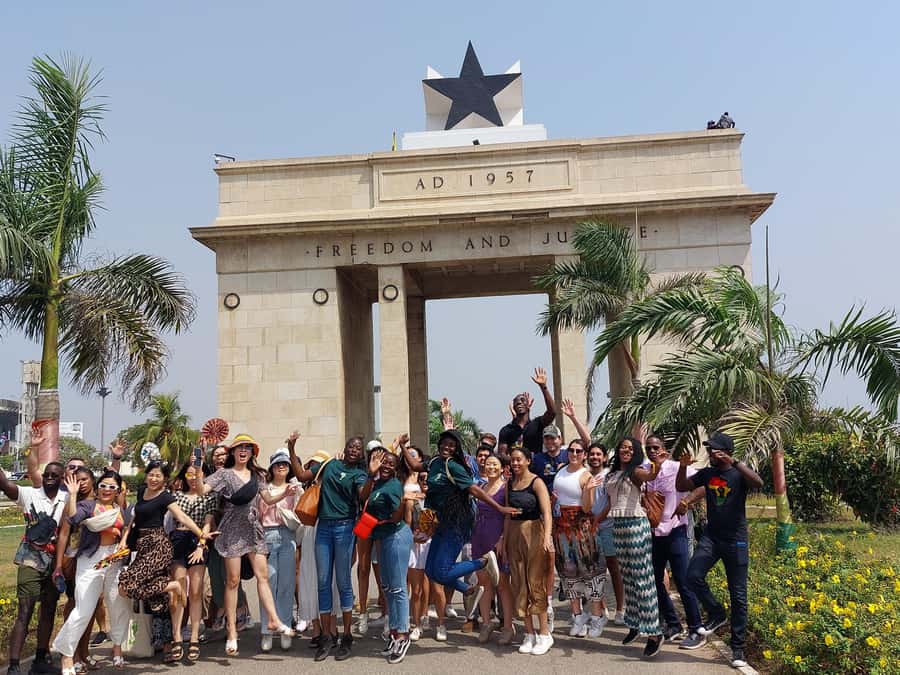
- Accra perspective on the Trans-Atlantic Slave Trade, with monuments and streets you can see firsthand
- James Fort Street guided walk that helps connect place to purpose
- British and Dutch fort traces, including the James Fort and Ussher Fort sites
- Lighthouse and Brazilian Lane, plus associated houses and tunnels linked to the trade
- Shop at the end while you are still in tour mode and your guide can point you toward good options
Why Accra’s Slave Trade Sites Matter
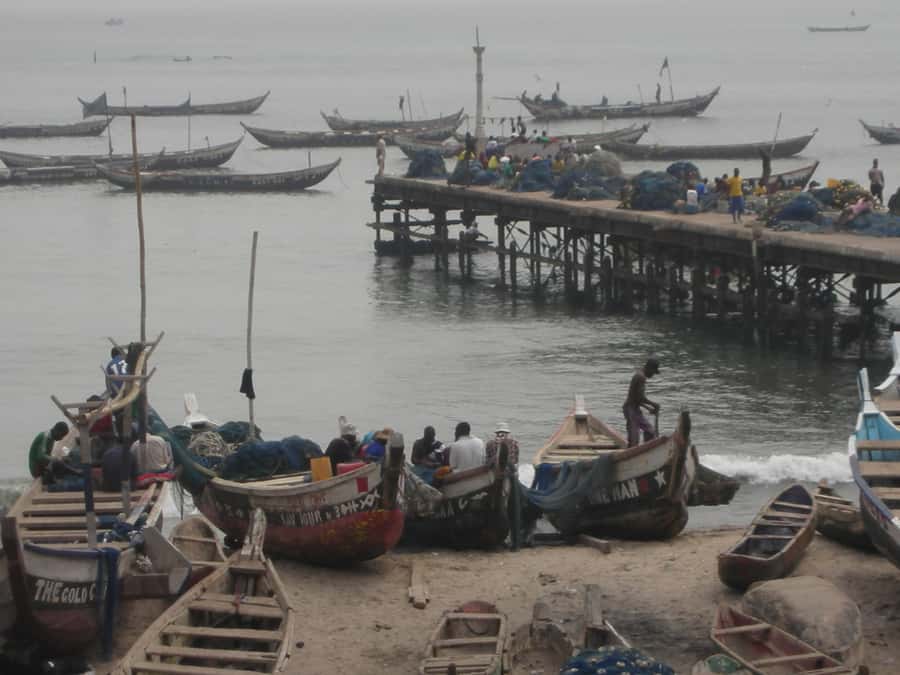
Most people plan around Cape Coast, which makes sense. But Accra also has visible remnants, and this tour puts you in the middle of that reality. You will see how the trade affected Accra’s development and helped shape the wider Atlantic world.
I like that the tour keeps the focus on what is left behind. You are not just hearing a story in the abstract. You are walking through specific places tied to forts, streets, and passageways connected to the trade.
There is also a practical angle. If you want a stronger “how did this place become this place?” understanding, Accra is a good place to start. This tour gives you that starting point without forcing you to do hours of extra planning on your own.
Other stops along the slave route:
- Cape Coast/Elmina Slave Dungeon and Canopy Walkway Private Tour
★ 5.0 · 24 reviews - Assin Manso Slave River, Cape Coast and Elmina Castle Day Tour
★ 5.0 · 19 reviews - Cape Coast Castle, Assin Manso Slave River & Kakum Day Tour.
★ 5.0 · 19 reviews
Your 3-Hour Plan, From Pickup to James Fort Street
This is a 3-hour private outing, starting with pickup in Accra and ending back in Accra. The schedule is designed around a guided walk and sightseeing segment that centers on James Fort Street.
That matters because a guided walk is often the difference between “I saw buildings” and “I understood the layout.” You can pay attention to viewpoints, movement through streets, and the way fortifications shaped access to the coast.
Because the total time is short, you should go in with the right mindset. Think of it as a strong introduction and grounding stop, not a full-day deep research project. If you are the type who likes to linger, plan a little extra time before or after elsewhere in Accra.
James Fort Street: The British Footprint in Plain Sight
The core of the experience is the James Fort Street area, where you get a guided tour plus sightseeing and walking. The big headline here is James Fort, a British-built fort.
Why this stop is valuable is simple. Forts are built for control, movement, and power. Standing where that presence was felt helps you connect the trade to real infrastructure, not just a historic headline.
During the walk, your guide helps you interpret what you are seeing in human terms. You should expect explanations around the activities linked to the slave trade and why certain locations mattered. This is one of those tours where the guide’s ability to translate place into meaning is what makes it work.
One detail I especially like from guide experiences is the mix of perspectives. In a standout instance, the overall guide Prince led the tour, and Ritchie, a Jamestown local, added sharp local insight. If you end up with that kind of guide partnership, you get context from both a structured guide and someone who knows the neighborhood.
Ussher Fort and Dutch Influence You Can Actually Trace
This tour also points you toward the Dutch side of the story, specifically through the Ussher Fort area. Even when you are not studying architecture in detail, you can still learn something important from seeing multiple European influences in the same city.
It helps to understand forts as competing systems. Different colonial powers interacted with local trade networks and each other, and the fort footprint is a physical reminder of those dynamics. When you see British and Dutch remnants in the same broader area, the story stops being one note and becomes a network.
In practical terms, you will walk through the part of Accra where these traces make more sense together. If you show up ready to connect the dots, this section can feel like the tour is “clicking” into place.
The main consideration here is timing and attention. Since the tour is only 3 hours total, the Ussher Fort and related areas may be less about lingering photos and more about moving through and absorbing meaning quickly. Bring patience, and if you want extra photo time, save it for later on your own.
More trips leaving Accra:
- The Cape Coast Day Tour
★ 5.0 · 525 reviews - Experience the Beauty, History and the Culture Of Accra in a Day
★ 5.0 · 323 reviews - The Cape Coast Tour
★ 5.0 · 177 reviews - From Accra: Cape Coast, Elmina Castle & Kakum Park Day Tour
★ 4.6 · 144 reviews
Lighthouse, Brazilian Lane, and the Streets People Still Walk
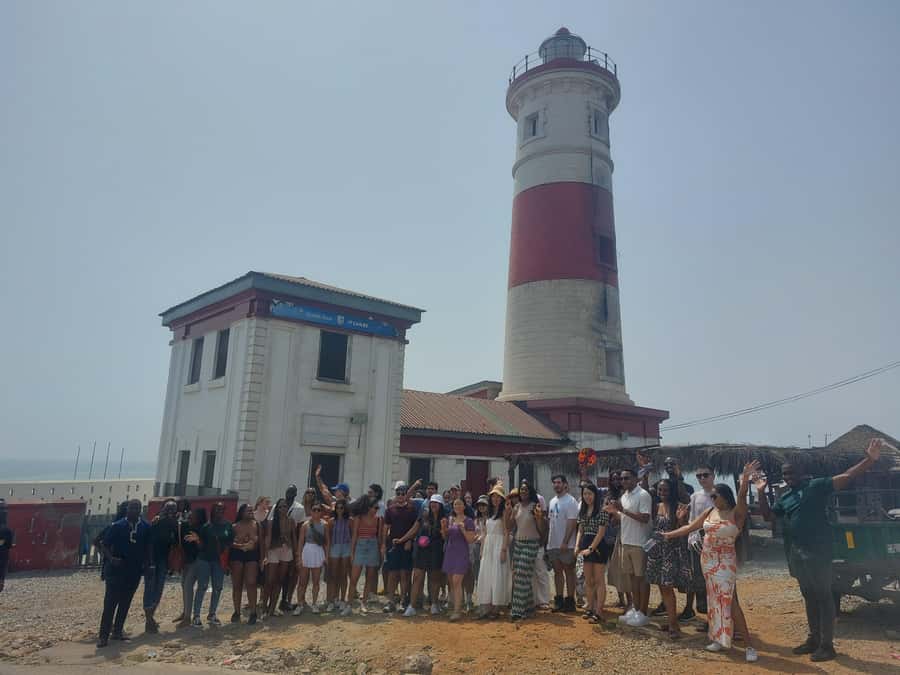
Beyond forts, you will also visit the Lighthouse and Brazilian Lane, plus other nearby houses and tunnels associated with the trade. These are the kinds of places where the history can feel immediate because people still live and move through the area today.
I like that the tour does not stop at the big fortress structures. Streets, lanes, and passageways are where everyday movement meets commercial systems. You start to understand how the trade connected coastal geography to urban space.
Brazilian Lane in particular is one of those names that pushes curiosity, and this tour gives you a way to understand why that curiosity matters. The guide helps you connect the street to the broader story instead of leaving it as a label.
A note on expectations: this section can be emotionally heavy. You are looking at places tied to human suffering, and it is normal if you need a moment. If you think you will get overwhelmed, tell your guide so they can slow down or adjust pacing for your comfort.
The Accra Genesis Angle: How the City Formed Around Trade
The tour highlights the genesis of Accra in the context of the slave trade’s legacy. That phrase can sound big, but what it means on the ground is that Accra’s development is not separate from Atlantic commerce.
You are effectively learning a cause-and-effect chain. Coastal power attracted European interest, European presence shaped forts and control, and those systems left physical reminders and cultural consequences that continue to echo beyond Ghana.
The tour also frames the global impact in a concrete way. It points to the fact that the trade left people and communities across the globe, which is why this story matters even if you are far from the sites themselves.
This “why this place” focus is a major reason the tour can be worth it even if you have already read about Cape Coast. Accra adds a different angle: it shows how the trade wasn’t just something that happened elsewhere in Ghana. It was also part of Accra’s story.
Shopping at the End: Practical, and Usually the Fun Part
At the end of the tour, you get time to shop before you are dropped off at your preferred location. This is a smart payoff after a serious experience, and it helps you turn the visit into something practical you can take home.
Shopping can also be a moment where the tour’s guidance pays off. If you are not sure what is fair or what is worth your money, your guide can help you navigate what you are seeing without you feeling pressured.
My practical advice here is to keep the shopping section separate in your head from the history section. Give yourself a chance to process what you learned, then switch gears to buying what you actually want, not what your emotions grab in the moment.
Also, since the tour ends with drop-off in Accra, have your plan ready. Decide what you want to purchase first, then ask questions while you still have your guide. That way you are not scrambling while you hunt for the right person to talk to.
Price and Value: What $140 Gets You in 3 Hours
At $140 per person for about 3 hours, this is not a budget add-on. But it is also not priced like a luxury day. The value comes from the combination of private format, guided interpretation, and logistics.
You are getting:
- pickup and drop-off
- transportation
- fuel surcharges
- a live English tour guide
- water
- a private group setup
Notably, lunch is not included, so treat the $140 as a tour price, not a full day meal plan.
If you are traveling solo or as a small group, private tours can still feel reasonable because you are not splitting attention with others. And with sites like forts and streets connected to the trade, having a guide who can interpret what you are seeing quickly is worth a lot. Otherwise, you can walk past clues and miss the meaning.
If you are cost sensitive and you like self-guided pacing, you might compare this against hiring a local guide separately or building your own half-day route. But if you want an organized experience with pickup, interpretation, and a controlled route in limited time, this price can make sense.
Who This Tour Fits Best
This experience fits best if you want an Accra-focused perspective and you are willing to be guided through specific sites connected to the Trans-Atlantic Slave Trade. It is also a good pick if you want a structured walk without having to map out fort locations, street stops, and what to pay attention to.
It is especially suitable for:
- people planning a short stay in Accra who still want context tied to the city
- anyone who found Cape Coast overwhelming and wants a different angle in the same country
- travelers who appreciate strong guidance, especially when you can get local perspective like the example of Prince and Ritchie
It may be less ideal if you need a slow, reflective day with lots of time for reading or museum-level detail. With only 3 hours, the tour is best seen as a focused introduction that you can build on later.
Final Verdict: Should You Book the Accra Slave Tour?
If you want a clear, guided route that shows Accra’s connection to the Trans-Atlantic Slave Trade through forts and streets, I think this is a solid choice. The private format, English guide, and included transport make it easy to do in limited time, and the ending shopping stop gives you something lively after the heavy content.
I would book it if you like structured walking tours and you want interpretation that turns locations into understanding fast. I would think twice only if you need a long, unhurried day, or if you already have a very detailed plan and prefer to go at your own pace without a guide.
FAQ
How long is the Accra Slave Tour?
The tour lasts 3 hours.
Where does the tour start and end?
Pickup is in Accra, and the tour returns you back to Accra at the end.
Is lunch included?
No, lunch is not included.
What’s included in the price?
The tour includes pickup and drop-off, transportation, fuel surcharges, a tour guide, and water.
What language is the tour guide?
The live tour guide is available in English.
Is this tour private?
Yes, it is a private group.
What is the cancellation policy?
You can cancel up to 24 hours in advance for a full refund.
Can I reserve and pay later?
Yes, you can reserve now and pay later.
Newly reviewed around Accra
- Private Slave Castles and Dungeons Tour in Cape Coast, Ghana★ 5.0 · 3 reviews
- Day Tour to Kakum National Park, Cape Coast and Elmina Castles★ 5.0 · 3 reviews
- Half-Day Guided Fabric Tour in Ghana★ 5.0 · 3 reviews
- Cultural Tour Of Ghana And South Africa 12 Days★ 5.0 · 3 reviews
- Cape Coast Day Tour★ 5.0 · 3 reviews
- Full Day Accra Guided Tour★ 5.0 · 3 reviews
- Experience Aburi Botanical Gardens And Boti Water Falls In A Day.★ 5.0 · 3 reviews
- Experience the Culture of Ashanti Kingdom in 5days★ 5.0 · 3 reviews
Slave Route Heritage Sites, compared.

Cape Coast/Elmina Slave Dungeon and Canopy Walkway Private Tour
Read our review →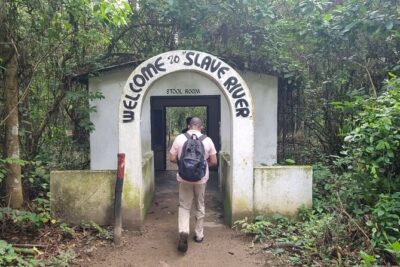
Assin Manso Slave River, Cape Coast and Elmina Castle Day Tour
Read our review →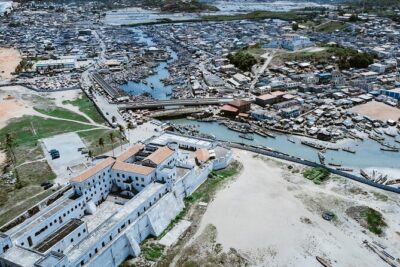
Cape Coast Castle, Assin Manso Slave River & Kakum Day Tour.
Read our review →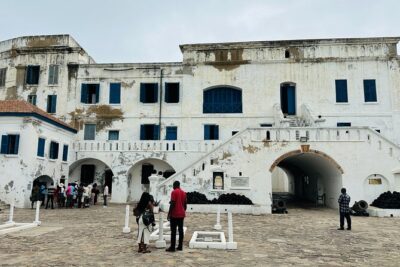
Assin Manso Slave River and Cape Coast Castle Private Day Tour
Read our review →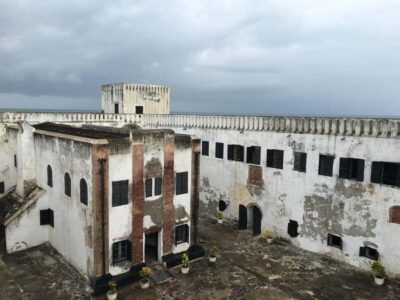
Cape Coast Slave Dungeons Heritage Tour & Lunch
Read our review →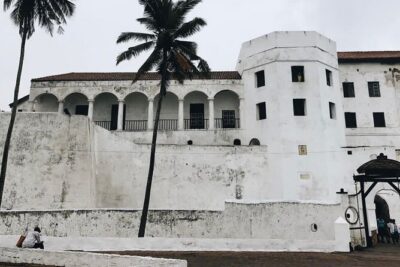
Cape Coast Castle, Assin Manso Slave River and Door of No Return
Read our review →
Accra Slave Castle and City Private Tour with Pick up
Read our review →
Trails of the transatlantic slave trade in Ghana
Read our review →Browse the lists this tour appears in