
Reviewed · SLAVE ROUTE HERITAGE SITES
Trails of the transatlantic slave trade in Ghana
This trip is interesting because it turns a hard chapter of history into real places you can stand in and make sense of. You follow the coastal route from Accra through Cape Coast Castle and Elmina’s St. George Castle, with guided context for what happened there and why it matters.
I like two things most: first, the private, air-conditioned transport with an insured car and a professional English-speaking driver-guide. I also like that the team can stay on schedule and manage details well, with guides like Nuru-Deen and driver Tony called out for being attentive and punctual.
One consideration is comfort, since humidity can be intense along the coast, and a beach day is more for relaxing than a guaranteed swim plan.
Key highlights at a glance
- W.E.B. Centre for Pan-African Culture and Kwame Nkrumah sites to ground you before the forts
- Assin Manso Ancestral Slave River Site and an ancestral graveyard stop for added context
- Cape Coast Castle and Elmina’s St. George Castle as major UNESCO-listed anchors
- Nzulezo stilt village by canoe on Amansari Lake, plus forts in the Western Region
- Kakum National Park canopy walkway 30 meters above the rainforest floor
- Private tour style, so the pace stays yours and the guide can answer your questions
Why the Slave Trade Route in Ghana Feels So Real
If you have ever looked at the Atlantic slave trade and thought it was mostly dates and distances, this kind of route helps you connect the dots. Ghana’s coastline is where ships staged, where people were held, and where power was enforced through systems that Europeans built and maintained.
What makes this experience especially practical is that it does not keep everything abstract. You move from urban historical context in Accra to the coastal forts, with stops that explain how the process worked on land before it reached the water. It is heavy subject matter, so it also helps that you have a guide who can keep the narrative clear and organized.
The itinerary also balances emotional weight with variety. You get rainforest time at Kakum, a canoe ride into the Nzulezo stilt village, and fort visits that broaden the setting beyond a single location. That mix is useful, because long history days can start to blur if you do not get breaks.
Other stops along the slave route:
- Cape Coast/Elmina Slave Dungeon and Canopy Walkway Private Tour
★ 5.0 · 24 reviews - Assin Manso Slave River, Cape Coast and Elmina Castle Day Tour
★ 5.0 · 19 reviews - Cape Coast Castle, Assin Manso Slave River & Kakum Day Tour.
★ 5.0 · 19 reviews
Price and What You Really Get for $1,955
The total price is $1,955 per person for about 8 days. That might sound steep until you break it down by what you are actually buying.
You are paying for a lot of “cost drivers” that add up fast in West Africa: a private insured air-conditioned car with fuel, a professional English-speaking driver-guide, and accommodation with A/C for multiple nights. You also get all fees and taxes and 24-hours on-going support, which matters when you are moving between regions and sites that have their own timing rules.
You also get value in the small stuff that becomes big on a road trip: pickup coordination, mobile ticket handling, and a schedule built around morning departures. Even if you only care about the castles, the transport and guide reduce friction, and that is where many DIY plans get expensive.
What is not included is also clear: international airfare, visa fees, and lunch and dinner. So if you want to stay within budget, plan daily meal spending on top of the tour cost. Nights are covered with A/C lodging, but you will still need to buy your own lunch and dinners.
Getting Set Up in Accra: From Kotoka Terminal 3 to Night One
Your arrival starts at Terminal 3 of Kotoka International Airport in Accra. You are met by staff and sent to your hotel, which is a relief after a long flight. The trip also lists a 7:00 am start time, so expect early days once you are settled.
This kind of soft landing matters for history travel. When you arrive tired, it is easy to miss details on Day 2. Instead, you get that first-night setup so you can focus the next morning on the context sites.
You can also assume the tour keeps logistics straightforward. It is described as a private tour, meaning your group travels together instead of mixing with strangers from a big public bus schedule.
Day 2 Accra Grounding Stops: W.E.B. Centre, Nkrumah Memorial Park, and Osu Castle
Day 2 is about context in Accra before you reach the coastal forts. After breakfast, you start with the W.E.B. Centre for Pan-African Culture, linked to Dr. W.E.B. Du Bois and the work around the Encyclopedia Africana. The point of this first stop is not just museum browsing, it is a framework.
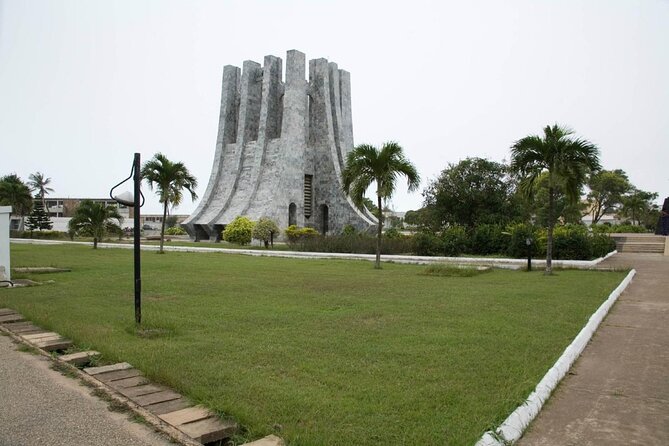
From there, you visit the Kwame Nkrumah Memorial Park, including stops at Independence Square and the Mausoleum. These are sites tied to Ghana’s national story, and they help you read what follows in the forts with more than one lens.
Then you move to Osu Castle, described as the administrative seat of the colonial governor. Even without extra details beyond that function, it is an important reminder: the slave trade machinery did not only run on the coast. Colonial administration and control shaped daily life inland and on the coast.
Practical note: this is a full day (listed as about 7 hours), so pace yourself. You will do better later if you take breaks, drink water, and keep your questions ready for the guide.
More trips leaving Accra:
- The Cape Coast Day Tour
★ 5.0 · 525 reviews - Experience the Beauty, History and the Culture Of Accra in a Day
★ 5.0 · 323 reviews - The Cape Coast Tour
★ 5.0 · 177 reviews - From Accra: Cape Coast, Elmina Castle & Kakum Park Day Tour
★ 4.6 · 144 reviews
Day 3 Cape Coast and the Assin Manso Stop You Should Not Skip
Leaving Accra behind is part of the appeal on Day 3. The trip shifts you into a calmer rhythm as you head toward the Central Region and Cape Coast.
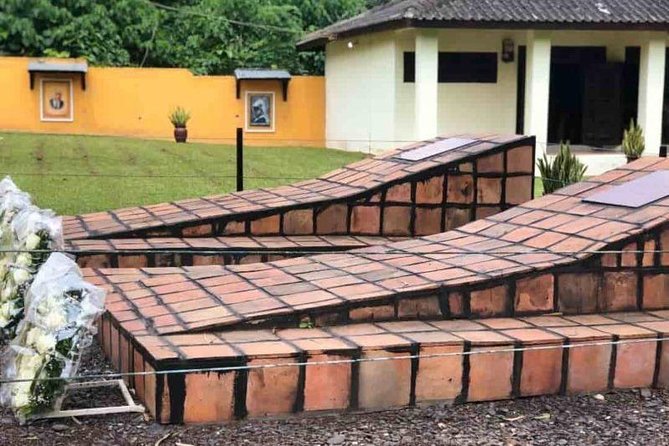
Before you reach Cape Coast Castle, you make a detour to Assin Manso Ancestral Slave River Site. This site is described as the river used as the last bath for people before shipment overseas, and it also includes an Ancestral Graveyard. That combination changes how you experience the forts, because it ties the story to a human routine, not just a building.
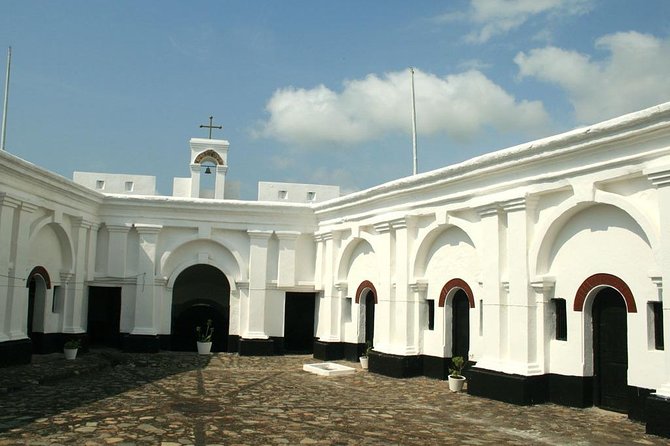
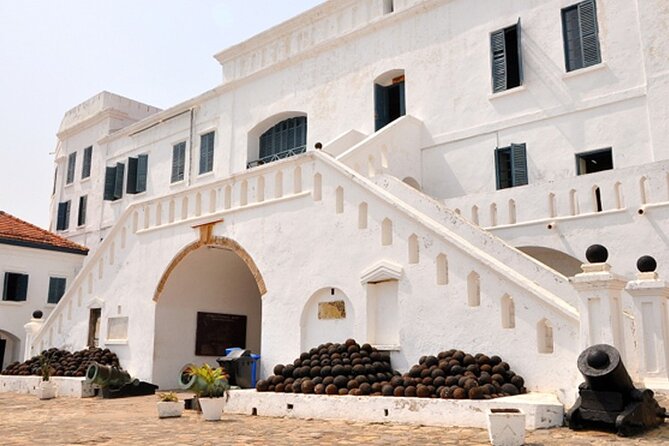
Then you reach Cape Coast Castle, noted as a UNESCO World Heritage Site. The castle was built in 1653 by the Swedes and later taken over by the British. That detail matters, because it shows how control passed between European powers, while the system stayed brutal.
What I like about this day is that it does not rush you into only one location. You get a sequence: a preparatory stop, then the major landmark. It helps you hold the full chain of the process in your head.
Potential drawback: the emotional weight can hit all at once. If you are sensitive, give yourself permission to pause, step back, and listen without trying to “push through” for photo stops.
Day 4 Elmina’s St. George Castle Plus a Fort Viewpoint Day
Day 4 moves you to Elmina, and you start with a tour that mixes township context and historical sites. The schedule gives you time to walk and see the colonial-era structures within the community, not just view a single attraction from the outside.
The centerpiece is Elmina Slave Castle, also known as St. George Castle. It is described as the biggest and oldest slave castle in Ghana and also as a UNESCO World Heritage Site. Again, you get both the human context and the scale of the operations. Even if you have read about these castles before, seeing them in person changes how the walls and rooms feel.
You also visit Fort St. Jago, located on a hill top overlooking the Elmina Township. That viewpoint stop is useful because it gives you a sense of geography, and geography is part of how power works. Seeing the layout helps you understand why fort placements mattered.
After that, you return to your hotel and the rest of the day is yours, with a chance to relax at a beach front hotel. I like this kind of built-in recovery. History days are long days, and a real block of downtime lets the information settle instead of bouncing off your brain.
Days 5 and 6 Western Region Changes Pace: Nzulezo Canoe, Fort Appollonia, and Coastal Forts
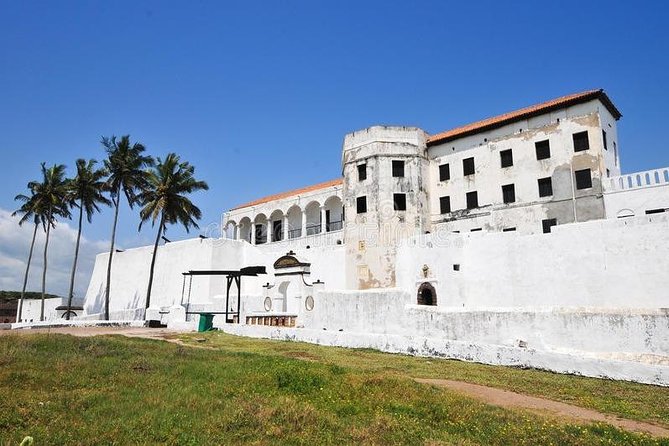
Days 5 and 6 are where the tour stretches beyond the famous castle circuit. You head into the Western Region, with overnight stops in Axim and then Busua.
Day 5 starts with a trip to Beyin in the Western Region, then on to the Nzulezo stilt village area. You get a canoe experience on Amansari Lake to reach Nzulezu, where the village is described as built on top of the lake. This is one of those moments that can feel like a reset. The scenery and the boat ride provide contrast after the forts.
From there, you tour the unique stilt community and then return to Beyin. You also visit Fort Appollonia, built by the English merchant. That fort stop ties the day back into the broader coastal history without making the whole schedule only about the past.
Day 6 focuses on coastal forts and a slower afternoon. You visit Fort St. Anthony (Fort Santo Antonio), built by the Portuguese in 1515 near Axim. Then you continue to Fort Batenstein in Butre. By the end of the day, you get beach relaxation for the rest of the time.
A practical caution here comes from what people notice in real life: plan for heat and humidity, and treat beach time as downtime, not a reliable swim plan. One review specifically flagged that a selected beach was not clean enough for swimming or walking the shore, so it is smart to keep expectations flexible.
Day 7 Kakum National Park Canopy Walk and the Dixcove Fort Add-On
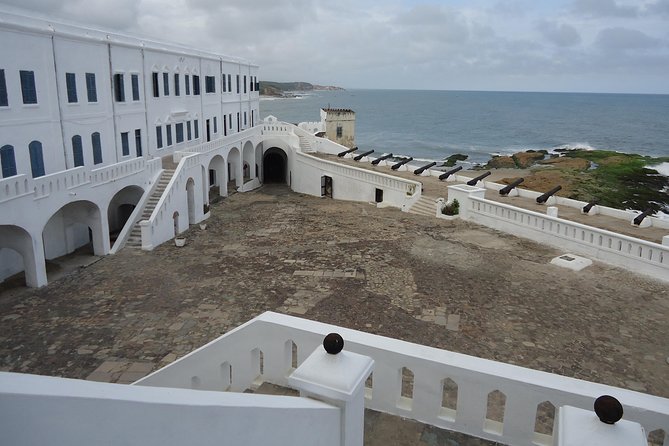
Day 7 is your nature day, but it is not purely relaxation. You begin with a fort stop near Dixcove: Fort Metal Cross, originally Fort Dixcove, described as a military structure.
Then you head toward Kakum National Park, described as a protected rainforest area. The park is home to endangered mammals such as forest elephants and monkeys, and you can expect a guided feel with options laid out.
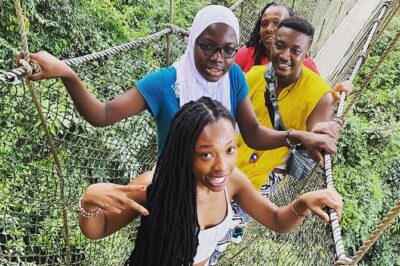
The star activity is the canopy walkway, hanging about 30 meters above the ground. If you like hands-on experiences, this is the best match: you see the rainforest up close while staying on a structured route. There is also an option for a nature walk with an experienced park guide.
After Kakum, you continue to Accra for an overnight stay. I like this timing because you get to switch from rainforest sights to city energy without feeling like you are rushing through everything. By the time you reach Accra again, you have enough energy for your final day.
Day 8 Accra Arts Centre, Bargaining Time, and Airport Transfer
Your last day is built around a lighter feel compared with the forts. You check out and visit a shopping center, including a stop at the Accra Arts Centre, described as a large market with different kinds of artefacts.
This is also where you practice a Ghana travel skill: talking with sellers, comparing prices, and doing basic bargaining. One practical tip from the experience details is to stay ready to negotiate and keep your budget plan in mind. If you want souvenirs, this is a good place because it is designed for browsing and purchasing in one concentrated area.
Once you finish shopping, you move to a recreational center if time allows, then you transfer to the airport to depart home. Since your tour ends in Accra, you avoid the stress of traveling long distances right before your flight.
What You Need to Plan for: Meals, Money, Checkpoints, and Heat
This tour includes breakfast for 8 days, but lunch and dinner are not included. That means you will want to budget daily for food, and you will also want to plan where meals fit into your schedule on the days with longer drives.
Money logistics also matter. I strongly suggest you use Ghana currency for daily purchases and keep a simple chart of Ghana denominations equivalent to US currency. ATMs are described as plentiful, so you should have options, but having a quick reference in your wallet makes day-to-day decisions faster.
On the roads, expect police checkpoints. That does not mean panic, but it does mean you should keep your documents organized and ready, so your driver-guide can handle interactions smoothly.
Heat is the other main factor. Humidity is mentioned as a real challenge, especially along the coast. Pack light layers, carry water, and plan for sunscreen. Even if you think you are fine, history sites often involve standing and waiting in sun, so treat comfort as part of your success plan.
Who This Tour Fits Best (and Who Might Want to Reconsider)
This is a strong choice if you want a private, guided route that connects Accra, the Central Region, and the Western Region with major historical sites. It is also a good match if you care about pacing and logistics, since transport, A/C lodging, and breakfast are handled for you.
I also think it fits well if you want more than “castle photo and leave.” You are getting context sites like the W.E.B. Centre and Nkrumah Memorial Park, plus a river and graveyard stop at Assin Manso, plus nature and village experiences.
If you are extremely sensitive to difficult history or prefer lighter sightseeing only, this might be emotionally intense. The forts are not optional if you want the core theme of the tour.
If you are the kind of person who hates early starts, it is worth noting the 7:00 am start time and the full-day nature of multiple stops.
The Small Details That Make It Work: Guide Style and Day Flow
One reason people rate this tour highly is that it runs like a coordinated plan, not a loose collection of stops. The guide team is described as personable, professional, and able to answer questions, with both Nuru-Deen and Tony called out for being attentive and punctual.
That matters most on long travel days, like the Cape Coast and Western Region legs. When the day includes major sites, you want a guide who can keep timing steady and explain clearly. It also helps that the transport is private and insured, which reduces uncertainty.
Even the “lighter” moments have structure: canoe travel to Nzulezo, canopy walkway at Kakum, and a planned final market stop at the Accra Arts Centre. Those pieces add variety, but they also keep you from spending your vacation figuring things out.
Should You Book Trails of the Transatlantic Slave Trade in Ghana?
If you want a guided, private route that focuses on some of Ghana’s most important forts and castles, plus adds real variety through rainforest and stilt-village experiences, this tour looks like a solid fit. The price makes more sense when you factor in private A/C transport, accommodation, breakfast, fees, and support.
I would book it if you:
- want a structured history route with context stops, not just one or two buildings
- value a punctual guide team and straightforward logistics
- are willing to handle emotional subject matter with care and patience
I would think twice if:
- you only want light sightseeing and beach time
- early mornings and full days would drain you fast
- you prefer to spend every meal on your own schedule and do not want lunch and dinner excluded
Overall, this is a tour built for meaning, not just movement. And when you stand in these places, that is the whole point.
FAQ
How long is the tour?
The tour lasts 8 days (approx.).
Where does the tour start in Accra?
You arrive at Terminal 3 of Kotoka International Airport in Accra, and a staff member meets you and sends you to your hotel.
Is pickup offered?
Yes, pickup is offered.
What transportation is included?
A private insured air-conditioned car with fuel is included.
What meals are included?
Breakfast is included for 8 days. Lunch and dinner are not included.
Are admissions or tickets included?
The tour includes admissions where listed as included, and some stops are marked free. The tour also uses a mobile ticket.
Is this a private tour?
Yes. It is a private tour/activity, and only your group participates.
Can I cancel for a full refund?
Yes. You can cancel for a full refund if you cancel at least 24 hours in advance of the experience start time.
Newly reviewed around Accra
- Private Slave Castles and Dungeons Tour in Cape Coast, Ghana★ 5.0 · 3 reviews
- Half-Day Guided Fabric Tour in Ghana★ 5.0 · 3 reviews
- Day Tour to Kakum National Park, Cape Coast and Elmina Castles★ 5.0 · 3 reviews
- Cultural Tour Of Ghana And South Africa 12 Days★ 5.0 · 3 reviews
- Cape Coast Day Tour★ 5.0 · 3 reviews
- Full Day Accra Guided Tour★ 5.0 · 3 reviews
- Experience Aburi Botanical Gardens And Boti Water Falls In A Day.★ 5.0 · 3 reviews
- Experience the Culture of Ashanti Kingdom in 5days★ 5.0 · 3 reviews
Slave Route Heritage Sites, compared.
Cape Coast/Elmina Slave Dungeon and Canopy Walkway Private Tour
Read our review →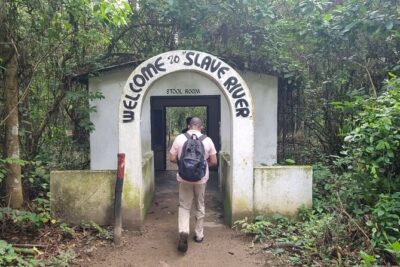
Assin Manso Slave River, Cape Coast and Elmina Castle Day Tour
Read our review →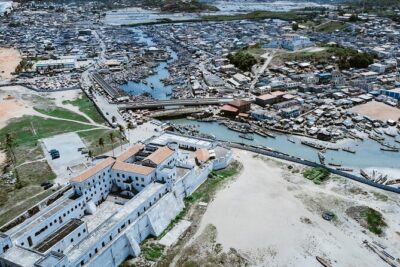
Cape Coast Castle, Assin Manso Slave River & Kakum Day Tour.
Read our review →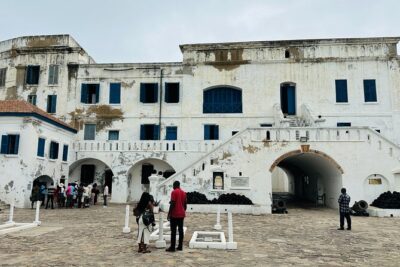
Assin Manso Slave River and Cape Coast Castle Private Day Tour
Read our review →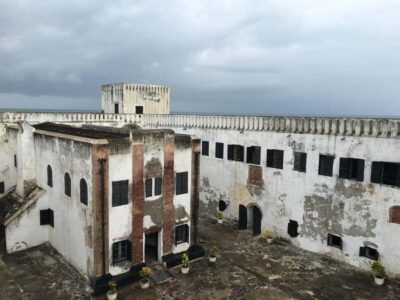
Cape Coast Slave Dungeons Heritage Tour & Lunch
Read our review →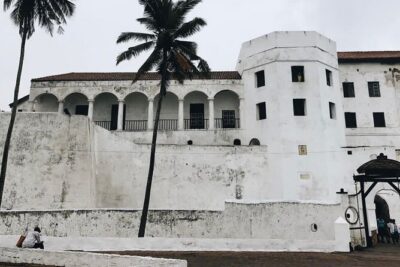
Cape Coast Castle, Assin Manso Slave River and Door of No Return
Read our review →
Accra Slave Castle and City Private Tour with Pick up
Read our review →
Accra to Cape Coast Tour (Slave Castles and Kakum Park)
Read our review →Browse the lists this tour appears in