
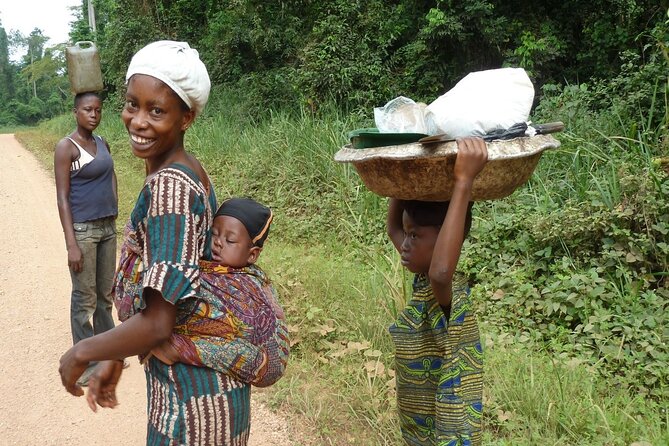
Reviewed · TOURS
9 Day Ghana Wildlife and Culture Tour
What makes this Ghana tour such a good fit is the mix: wildlife time in big national parks plus culture and history you can’t really get from a quick city trip. I like that the route is guided start to finish, with local experts who help you understand daily life, traditions, and the natural world instead of just checking boxes. I also like that the pacing still leaves room to breathe, including relaxed beach time as an option.
My favorite part is how the trip balances major highlights with smaller, more human stops, like Fantasy Coffins in Teshie and cloth-and-symbol workshops in Kumasi. The main drawback to consider is that several days start early or run full day, and a few activities are physically active, like on-foot elephant tracking and walking in towns and villages.
Key highlights to know before you go

- Mole National Park with an armed guide plus early elephant tracking and classic savannah viewing
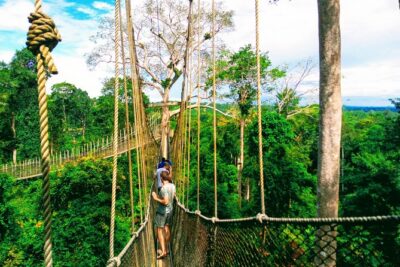
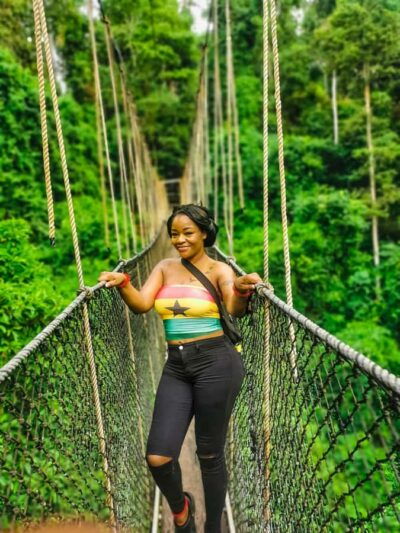
- Kakum’s canopy walkway with 7 bridges about 40 meters above the rainforest floor
- Cape Coast Castle and Elmina’s St. George Castle for an honest, heavy chapter of history
- Kumasi culture workshops for Kente cloth, Adinkra symbols, and brass casting
- River safari in a dugout canoe and village walking tours like Mognori and Boabeng-Fiema
First impressions in Accra: getting your bearings fast
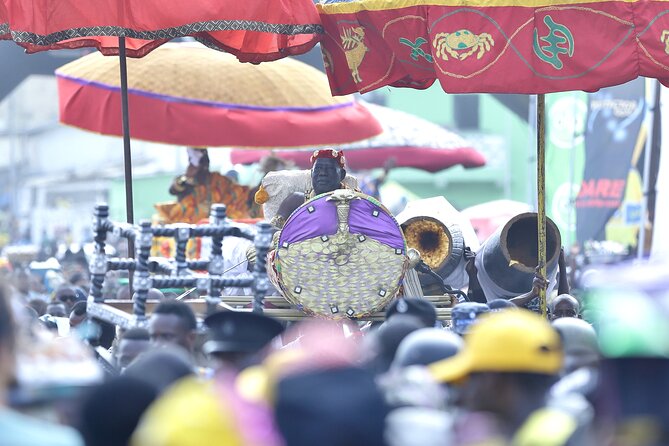
Your trip starts the practical way. Your local guide meets you at Kotoka International Airport in Accra after customs, and you will see signs for Ashanti African Tours. Once you’re in the vehicle, the tour is set up to take the stress out of day one, with a transfer to your Accra accommodation and time to settle in.
I like that this tour is built around constant support. The included setup lists 24/7 office support, plus an experienced driver and an air-conditioned vehicle. That matters when you land tired, especially if your body clock is still adjusting.
If you want a smooth start, plan to keep your first evening low-key. Day 1 is mostly check-in and orientation, so you can handle jet lag without feeling like you missed something major.
A few more Accra days to weigh up
- 15-Day Ghana Wildlife Private Tour
★ 4.5 · 9 reviews - Private Multi-Day Ghana Tour about Culture History and Wildlife – 7 Days
★ 5.0 · 8 reviews - 5 Days Adventurous Wildlife Safari
★ 4.5 · 49 reviews
Day 2 in Accra: museums, independence sites, and Teshie’s Fantasy Coffins
Accra can feel like a blur if you visit it alone, so I appreciate how Day 2 is structured like a guided story. You begin at the National Museum of Ghana, where the exhibits focus strongly on ethnography and show traditions across West Africa, not only Ghana.
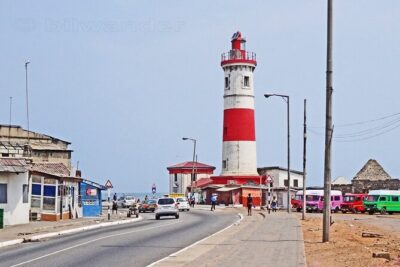
From there, you walk through James Town, Accra’s older suburb. The plan includes key landmarks like the lighthouse built by the British in 1871 and Fort James, a trading post site that ties into earlier European forts in the area. This is one of those days where the guide’s explanations can turn ordinary streets into meaningful context.
Lunch is handled for you, and then you shift into Ghana’s modern political identity at Black Star Square and Independence Square. You also see the flame of African liberation, lit by Kwame Nkrumah in 1961. Even if you are not a history nerd, it helps to stand where key public moments happened.
Then comes Kwame Nkrumah Memorial Park, his final resting place, with gardens and a museum that holds photos and artifacts from his life. You finish the museum-heavy day at the National Cultural Center, Ghana’s large outdoor arts and crafts market, where you can browse fabrics and handmade goods.
In the afternoon, you head to Teshie for the Fantasy Coffins of Teshie Nungua. This is one of the most distinctive stops on the entire route. The idea is that coffin designs can reflect the person’s life or status, from everyday themes to animals and objects. It’s solemn, but it’s also unmistakably Ghanaian in its symbolism.
The main consideration on Day 2 is time and walking. You are moving between multiple sites, so bring comfortable shoes and expect an active day.
Day 3: flying north to Tamale, then settling into Mole National Park
Day 3 is built around one goal: more wildlife time. The plan uses an early start and the first flight north to Tamale, then you connect to your vehicle and drive toward Mole National Park.
Once you arrive, you get your first look at the park atmosphere from your base. The tour description notes accommodations on an escarpment overlooking the park. That setup sounds like one of those moments you remember, watching savannah scenes from a pool terrace while elephants move near a watering hole.
Evening plans are classic safari rhythm: after dinner, you head out for a driving and walking game activity with an emphasis on spotting your first mammals. Mole is described as home to almost 100 mammal species and 330+ bird species, so even a short outing can feel productive.
A practical note: wildlife timing can be unpredictable. You are going for sightings and learning, not guarantees, so bring patience and good binocular discipline.
Day 4 at Mole: on-foot elephant tracking and the Mognori village walk
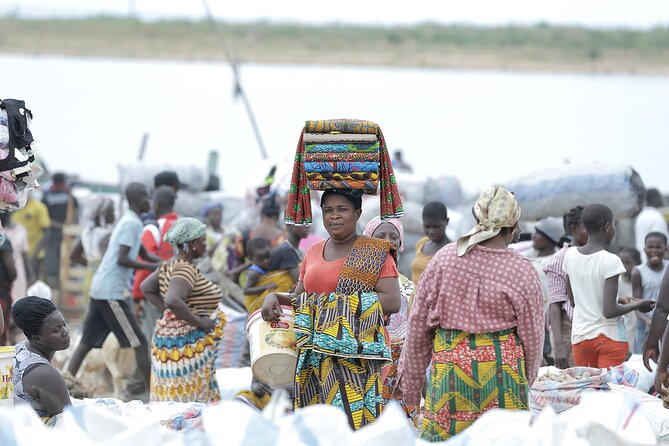
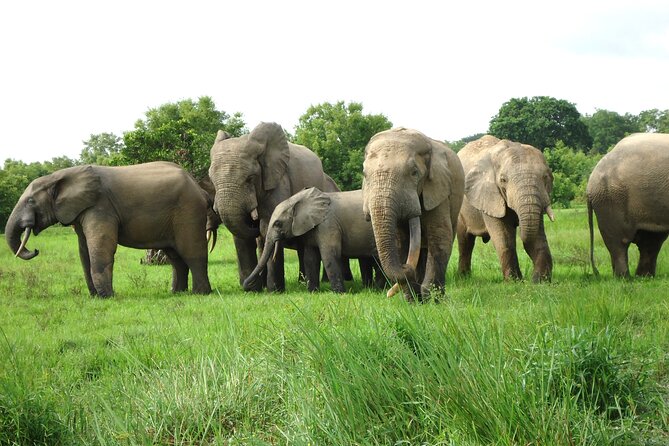
Day 4 is where Mole turns from scenic to memorable. You start early for tracking and the plan specifically mentions an armed guide and elephant tracking on foot. That is a big deal for two reasons: it signals a safari-style safety approach, and it also changes the experience from pass-by viewing to close-range attention.
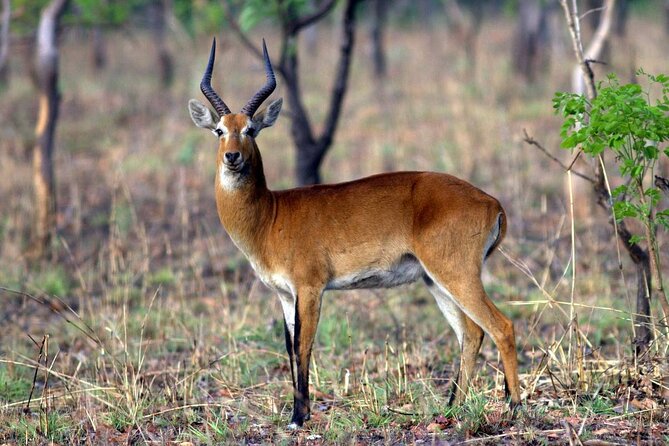
The walk focuses on elephant trails and watering holes, and it’s structured so you can encounter other animals along the way. The route description calls out primates such as olive baboons and patas monkeys, plus animals like kob, bushbuck, and waterbuck at watering holes.
If you do on-foot tracking, expect real walking and careful movement. Even if you are an active traveler, it’s smart to hydrate and keep your pace steady.
In the afternoon, you switch from park wildlife to human land knowledge with Mognori village. You walk through the community with a local host and learn about shea butter production, including how the shea nut is used beyond skin and cooking. You also see shrines and learn what matters locally in a sacred landscape.
The day closes with a river safari in a traditional dugout canoe. This kind of activity changes your perspective, because you’re watching wildlife and birds from water instead of land paths.
More trips leaving Accra:
- The Cape Coast Day Tour
★ 5.0 · 525 reviews - Experience the Beauty, History and the Culture Of Accra in a Day
★ 5.0 · 323 reviews - The Cape Coast Tour
★ 5.0 · 177 reviews - From Accra: Cape Coast, Elmina Castle & Kakum Park Day Tour
★ 4.6 · 144 reviews
Day 5: Kintampo Falls, Boabeng-Fiema monkeys, and a cultural arrival in Kumasi
Day 5 is a travel day with good stops, which is usually how you win a long Ghana itinerary. You head south after breakfast, and the first major break is Kintampo Falls, a fast-flowing waterfall with a pool at the bottom. The plan notes swimming may be possible, so bring a way to handle wet time if you want to take advantage.
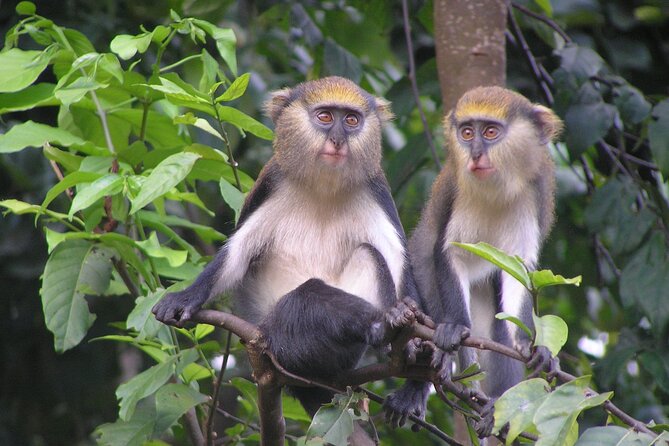
From there, you continue toward Boabeng-Fiema Monkey Sanctuary, visiting two villages that protect monkeys in local tradition. The sanctuary focuses on black and white colobus and Lowes mona monkeys, and the villages treat the monkeys as sacred, with traditional burial practices.
What makes this stop more than a quick animal sighting is the human side. You interact with locals, hear about daily farming life, and learn how medicinal trees and plants in the area support community needs. It’s also not described as a zoo, but as forest habitat the communities protect.
The last part of Day 5 is your arrival in Kumasi. You reach town in the early evening, which is a nice balance after a full day out in the countryside.
Day 6 in Kumasi: UNESCO Asante shrines, Kente weaving, Adinkra symbols, and brass casting
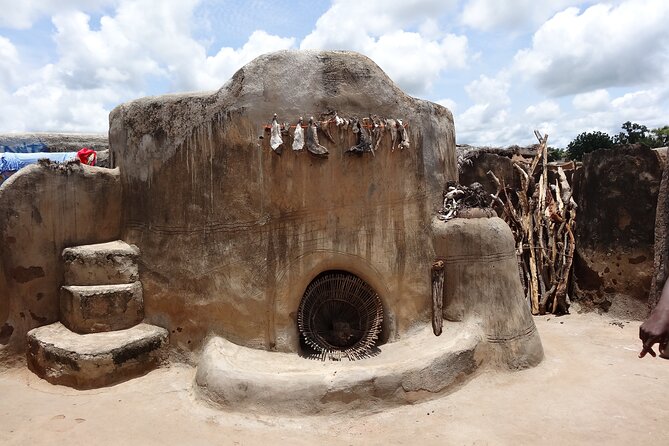
Kumasi is the culture engine of this trip, and Day 6 is packed with hands-on and place-based learning. You start at the traditional Asante buildings, described as World Heritage Sites recognized by UNESCO. The plan highlights 10 active shrines, built with materials like bamboo, timber, mud, and thatched roofs, plus symbolic wall motifs tied to Adinkra meanings.
This is also where Nana Yaa Asantewaa is connected in the itinerary. She’s presented as a key woman figure in Ashanti history who led the Ashanti in the 1901 war against the British. It adds gravity to what can sometimes become a purely decorative visit.
Next, you head to Adanwomase, the birthplace of Kente cloth. You walk through the weaving community, interact with locals who have woven Kente for generations, and see skilled weavers using ongoing techniques outside their homes. If you care about how craft traditions survive, this is the kind of stop that answers that question.
Then you move to Ntonso, where Adinkra symbols originate. The itinerary explains symbols are carved from calabash shells and printed using natural dyes made from tree bark. You even get time to make a personal strip of Adinkra cloth using symbols with meaning to you.
After lunch, you visit Sokoban Krofrom for traditional brass casting. The tour description stresses that the production methods have not changed for generations, and you get a demonstration of the skilled process. You also have time to browse shops selling brass works like beads and jewelry and statues.
If you want a single day that feels like you truly understand Ghanaian visual identity, Day 6 is it. The only caution is that it’s long and involves walking through villages and craft spaces. Comfortable shoes matter again.
Day 7: Assin Manso and Cape Coast Castle for the hard parts of history
Day 7 shifts the tone. You travel south to Elmina and Cape Coast, and the itinerary includes a meaningful stop at Assin Manso, along enslaved African trade routes. The plan points to Ndonkor Nsuo as a key location tied to this history.
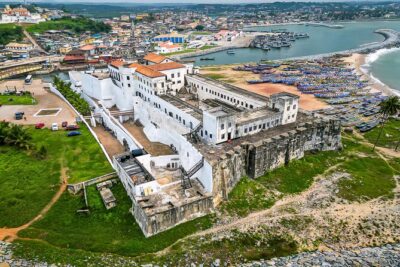
Then you reach Cape Coast Castle, a UNESCO World Heritage Site. You’ll have ocean-view lunch in town before the castle visit, which helps because the emotional weight hits all at once once you start touring the dungeons and the route to the Door of no return.
This stop is thought-provoking, and you’ll have quality time inside the castle, including an on-site museum that lays out the history of the castle and Cape Coast itself. There’s also a souvenir shop, but the real value here is the guided explanation that keeps the story human and specific, not abstract.
A practical drawback to expect is emotional fatigue. Even if you are ready for history, give yourself time to process afterward, and don’t plan anything intense for the evening.
Day 8: Kakum canopy walkway, stingless bees, batik with Global Mamas, and Elmina’s fishing life
Day 8 offers a smart choice. You can relax at your beach-front accommodation all day, or you can go to Kakum National Park. The fact that the tour gives you this option is a sign they understand people do not want every day to be an excursion.
If you choose Kakum, you start with the canopy walkway, built around 7 bridges attached to 7 emerging trees at about 40 meters above the rainforest floor. This is the kind of experience where your body feels the height and your brain catches up with the scale of the forest below. It’s described as a major highlight for many visitors, and I can see why.
Back on the ground, you return to park headquarters for an information center that explains flora and fauna. The plan notes that more than 40 mammal species have been recorded, including forest elephants and leopards, plus six primate species.
After Kakum, you visit the International Stingless Bee Centre. The itinerary says about 9 species of stingless bees are identified in Ghana there, and it focuses on why bees matter to the ecosystem. You can also see hives, taste, and buy stingless bee honey, plus enjoy a stingless bee walkway and butterfly garden.
Lunch is included at a restaurant run by a local organization that supports deprived children in the Cape Coast area through education and advocacy. That adds real-world impact to what could otherwise be a purely scenic stop.
In the afternoon, you head into Ghanaian art-making with a batik making workshop run with Global Mamas. You work on wax heating, stamping, and drying, and you make your own traditional batik garment. This also includes time to learn about fair-trade selling practices that help local women support their families.
Then you move to Elmina for several layers of local life. You visit the fishing market and walk near boat builders in the community, watching colourful fishing boats bring in daily catch. Finally, you visit Elmina’s St. George Castle, described as the oldest extant colonial building in sub-Saharan Africa dating from 1482. It played a major role during the enslaved African trade era, and the visit fits the day’s bigger theme of understanding Ghana’s role in world history.
Day 9: Fort Amsterdam in Abandze and a final Accra send-off
Your last day stays gentle in the morning. You enjoy the facilities at your accommodation, with options like swimming or relaxing on the beach, then you break before heading back to Accra.
On the coastal road, you stop at Fort Amsterdam in Abandze, the first British fort built between 1631 and 1638, later captured by the Dutch in 1665 and named accordingly. The itinerary also notes later British loyalists returning in 1811, though the description is cut off, so you may want your guide to fill in context when you’re there.
Back in Accra, you may have time for Accra Mall, with a chance to see modern Ghana and pick up last-minute souvenirs. Then you enjoy an early evening farewell meal at a locally owned restaurant, and the tour team transfers you to the airport.
This final day is the right tempo for travel, not too many new activities right before departure.
Price and value: what you’re paying for at $4,695 per person
At $4,695 per person for 9 days, this is not a budget trip. The value comes from how many moving parts are handled: expert local guide support, driver, an air-conditioned vehicle, and accommodation all included. The itinerary also includes multiple sites where entry or excursion fees are listed as included.
You also get heavy logistics in wildlife zones and in-country cultural travel, which is often where costs rise. Mole National Park and Kakum bring real planning and distance, and they include timed activities designed around animal behavior and daylight.
The two biggest cost caveats are clear in the details: international flights and visa are not included, and domestic flights are part of the plan but not explicitly listed in the included package. Ask your booking contact to confirm whether the internal flight to Tamale is covered in your total.
Also, soft drinks and alcoholic drinks are not included, so plan for those as add-ons.
Who this tour suits best (and who should look elsewhere)
You’ll probably love this Ghana wildlife and culture tour if you want a single itinerary that covers wildlife, craft traditions, and major historical sites without stitching together multiple independent bookings. It’s especially good if you like guided interpretation, because so many stops depend on understanding the story behind the place.
It’s also a good fit if you prefer organized transport. The A/C vehicle, airport transfers, fuel support, and unlimited mineral water make long days more comfortable.
Consider another option if you dislike emotional history content. The castle visits related to the transatlantic enslaved African trade are heavy, and this trip gives them serious time.
Finally, if you are not comfortable with active wildlife walking or long travel days, be cautious. The elephant tracking and several walking segments require steady energy.
Should you book this Ghana wildlife and culture tour?
If you want Ghana in one trip, yes, I’d consider booking it. The route hits major park highlights like Mole and Kakum, then pairs them with cultural depth in Kumasi and honest history at the castles in Cape Coast and Elmina. You also get the kind of support that makes logistics easier, including 24/7 office support and a guide you can reach during the tour.
Before you book, I’d double-check two practical points: whether your quote includes the internal flight segment to Tamale, and whether you are comfortable with early starts and walking days. If those fit your style, this is a strong way to see how Ghana connects nature, craft, and history in one well-guided circuit.
FAQ
Where does the tour start in Ghana?
Your guide meets you at Kotoka International Airport in Accra after customs, and then you are transferred to your accommodation in Accra.
Is pickup or airport transfer included?
Yes. The tour includes airport transfers, and pickup is listed as part of the tour features.
What national parks are included?
The itinerary includes Mole National Park and Kakum National Park.
Are entrance fees and excursion costs included?
Yes. The tour includes all excursion fees, and the itinerary lists multiple stops with admission tickets included.
How many meals are included?
The included details list 8 breakfasts, 8 lunches, and 9 dinners.
Are international flights included?
No. International flights are not included.
Is a visa included?
No. Visa is listed as not included.
Is this a private tour?
Yes. It is described as a private tour/activity, with only your group participating.
What if weather affects the tour?
The cancellation terms say the experience requires good weather. If it is canceled due to poor weather, you will be offered a different date or a full refund.
Newly reviewed around Accra
- Private Slave Castles and Dungeons Tour in Cape Coast, Ghana★ 5.0 · 3 reviews
- Day Tour to Kakum National Park, Cape Coast and Elmina Castles★ 5.0 · 3 reviews
- Half-Day Guided Fabric Tour in Ghana★ 5.0 · 3 reviews
- Cultural Tour Of Ghana And South Africa 12 Days★ 5.0 · 3 reviews
- Cape Coast Day Tour★ 5.0 · 3 reviews
- Experience the Culture of Ashanti Kingdom in 5days★ 5.0 · 3 reviews
- Full Day Accra Guided Tour★ 5.0 · 3 reviews
- Experience Aburi Botanical Gardens And Boti Water Falls In A Day.★ 5.0 · 3 reviews
Tours, compared.
Cape Coast, Elmina Castle & Kakum Park Day Tour
Read our review →
Boti Falls, Umbrella Rock, Aburi Gardens & Cocoa Farm Tour
Read our review →Browse the lists this tour appears in