
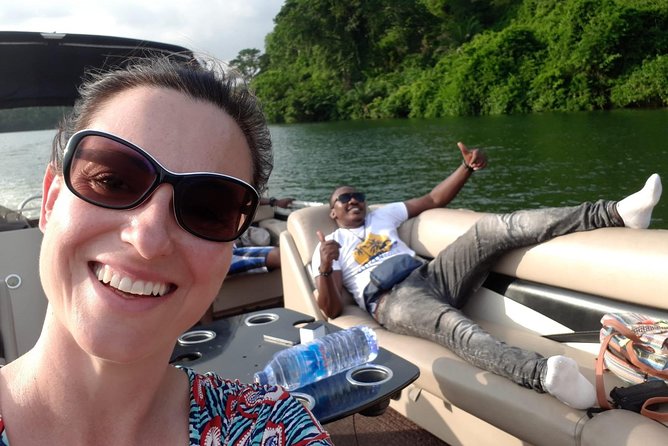
Reviewed · HISTORICAL TOURS
8 Day Cultural, History and Adventure Tour
Ghana in one trip, from Accra to Mole National Park, is interesting because it mixes big, memorable moments with day-to-day guidance. I like that the tour is built for comfort and flow, with a guide to help you manage the language barrier and the schedule. I also love the mix of active days and cultural stops, especially the Afadjato hike and the Wli Waterfalls swim. The main consideration is pace: it’s action-packed, with long drives between regions and an early start.
One more thing I value is the human element. You may travel with guides such as Kwame or Yaw, who are repeatedly praised for making the trip feel well-managed and helping you connect with people, not just places. And in the driving seat you might meet Kobby or Michael, who guests describe as part of why the journey feels smooth even when the itinerary moves fast.
If you want a trip where you do not have to plan an itinerary, this kind of structured route can be a great fit. Just be honest with yourself about fitness and energy, because you’ll be walking, hiking, and spending full days on the move.
Key Highlights to Know Before You Go
- Guided context throughout so you understand what you’re seeing, not only where you went
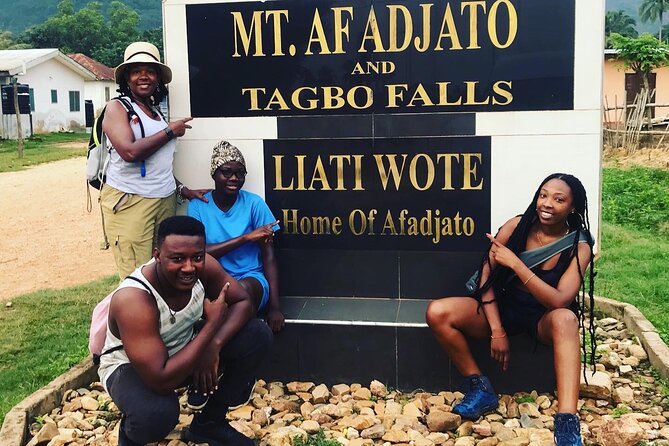
- Adventure days that are actually active, including an Afadjato hike and time at Wli Waterfalls
- Cultural stops beyond the headline sites, like Kente weaving in Bonwire and the Manhyia Palace Museum
- Wildlife time at Mole National Park, including a morning walking safari and a relaxed afternoon poolside
- A route that covers multiple regions, rather than staying stuck in one city
- Private group travel, so the experience stays focused on your group’s needs
First Look at the 8-Day Ghana Mix, Accra to Mole
This is the kind of itinerary that feels like a guided course in Ghana. You’re not only in Accra looking at sights, then calling it a day. Instead, you move across different regions with cultural moments, scenic nature time, and wildlife.
You start in and around Accra with a pickup at Kotoka International Airport (KIA). From there, the trip quickly shifts into another Ghana entirely, with the Volta Region bringing hiking and waterfalls, then the journey rolling into Kumasi for Asante history and everyday market life. Later you head north toward Tamale and Mole National Park, where the day structure changes again, trading museums and craft villages for safari walking and animal-spotting.
The best part is that the tour is built to handle the handoffs for you. You get transportation in an air-conditioned vehicle, and meals are covered for most of the trip. That matters in Ghana, where travel time can eat up energy fast if you are doing everything on your own.
A few more Accra days to weigh up
- Experience the Beauty, History and the Culture Of Accra in a Day
★ 5.0 · 323 reviews - Ghana Heritage Tours – Beyond The Return
★ 5.0 · 36 reviews - 10 Days Ghana Cultural and Heritage Trip
★ 5.0 · 31 reviews
Price and Value: What $2,515 Really Buys You
At $2,515 per person for an 8-day guided tour, the price is not low. But it is easier to judge if you look at what you avoid. You are paying for a lot of moving pieces to be handled: guided interpretation, transportation, and your food coverage (breakfasts, lunches, and most dinners).
Included basics help you feel the value quickly:
- All fees and taxes
- Air-conditioned vehicle
- Fuel and gas
- Breakfast (8), Lunch (8), Dinner (7)
- A guided flow that reduces your need for research and constant decisions
And the itinerary is structured around places that typically require planning, like craft workshops, museum visits, national park time, and the logistics of moving between regions. The tour also includes pickup and is listed as offering group discounts.
Where you should be careful is expectations. This is not a “slow travel” plan. The value comes from being busy with intent, not from having lots of spare free time.
Day 1 and 2: Krobo Beads, Tafi Atome Monkeys, Afadjato, Wli Waterfalls
The first two days are a strong setup because they flip between human creativity and nature, then add a hike and waterfalls.
Odumase Krobo and the Cedi Beads stop
After pickup, you head toward the Volta Region. Along the way, you visit Cedi Beads, where recycled glass bottles are turned into beads. It’s an easy, eye-opening stop because it shows craft as something practical, not just decorative.
Why it’s worth the hour: it’s a clear example of how local industries can be tied to materials and reuse. You also get a quick break from “only sightseeing,” because this is about making.
More trips leaving Accra:
- The Cape Coast Day Tour
★ 5.0 · 525 reviews - The Cape Coast Tour
★ 5.0 · 177 reviews - From Accra: Cape Coast, Elmina Castle & Kakum Park Day Tour
★ 4.6 · 144 reviews - Accra Detailed City Tour
★ 4.5 · 118 reviews
Tafi Atome Monkey Sanctuary and Cultural Village
Then comes Tafi Atome Monkey Sanctuary and Cultural Village, where you learn about eco-tourism and how it has supported the village. You’ll spend time at the sanctuary home of Mona monkeys, with cultural context mixed in.
This stop works well early in the trip. It helps you start Ghana with a question in mind, not just a camera. The guide helps connect the dots between animals, conservation, and community life.
A gentle drawback: time is listed at about an hour, so it’s not designed to be long and lingering. If you love animals and wish you had more time, you might feel the clock, but it’s still a solid “first wow” moment.
Afadjato hike, then Wli Waterfalls
Day 2 is where the adventure side becomes real. You hike Mount Afadjato, described as Ghana’s highest mountain at 885m above sea level, and the hike is said to take up to three hours.
A hike this short does not mean it is easy. You should expect real walking effort and plan your pacing. The good news is that the tour frames the activity for travelers with a moderate physical fitness level.
After the hike, you head to Wli Waterfalls, described as West Africa’s highest waterfalls. You spend the rest of the day cooling off and relaxing at the falls, then return for a guesthouse evening.
If you’re wondering what kind of trip this is, these two days answer it. This itinerary does not treat nature like a quick photo. It builds in time for being there.
Day 3: Akosombo Dam, Lake Volta, and the Move Into Kumasi
Day 3 starts with the move from Volta into Ghana’s interior, and the tone shifts from waterfall energy to big infrastructure and lake scenery.
Akosombo Hydroelectric Plant and Lake Volta cruise
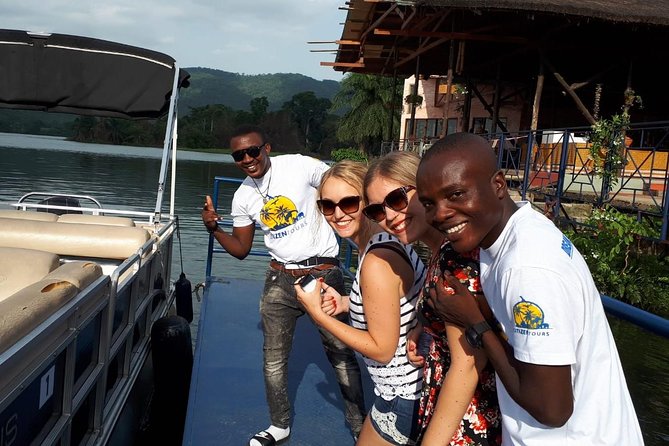
You visit Akosombo Dam, described as Ghana’s biggest hydroelectric dam, producing over 1,020MW. You then have lunch on the lake and take a boat cruise on Lake Volta.
This is a smart inclusion because it gives you a sense of scale. Ghana’s modern life is tied to water and power, and Akosombo is one of the clearest places to see that. The boat cruise also gives you a break from constant driving.
Practical note: moving from a lake setting to a city setting is an easy way to feel the country’s variety. You get scenery on water, then check in in Kumasi.
Day 4: Bonwire Kente Weaving, Manhyia Palace, Okomfo Anokye Sword, Kejetia Market
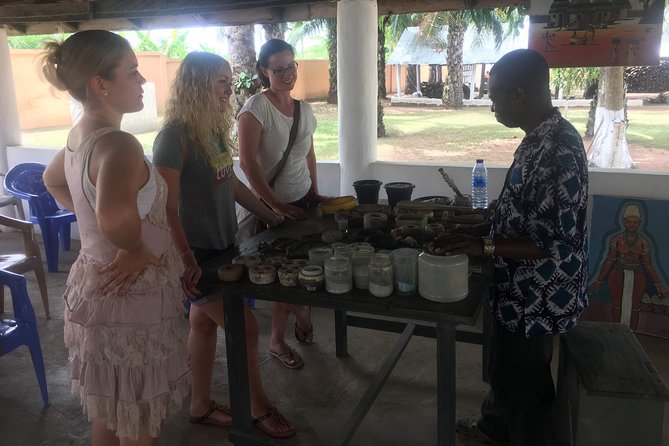
If Day 3 is about scale, Day 4 is about culture you can touch. This is the Asante and craft day, plus the market day.
Bonwire Kente weaving centre
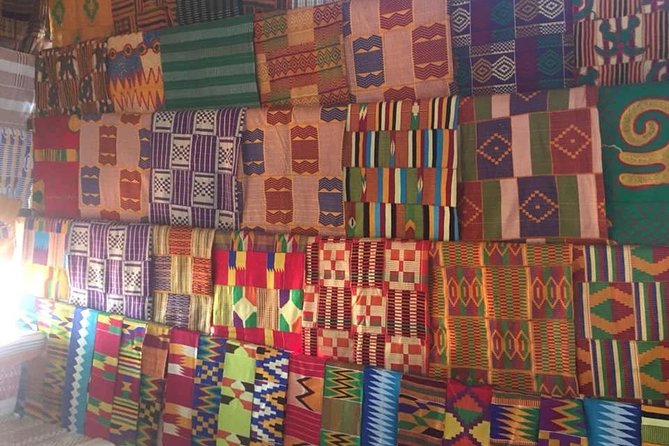
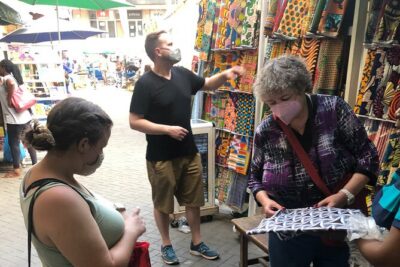
You go to Bonwire Kente Village, known for Kente weaving. Kente is a colorful traditional fabric worn for important occasions, and the tour explains that much of what you see in markets comes from places like Bonwire.
What I like here is the difference between “buying cloth” and understanding how it is made. Even if you do not buy anything, you leave with more respect for the craftsmanship.
Manhyia Palace Museum
Next is Manhyia Palace Museum, the seat and official residence connected with the Asantehene of Asanteman. This stop ties culture to governance and heritage.
A short stop like 45 minutes can feel quick, but it’s enough time to get the main story and then keep moving without wasting daylight.
Okomfo Anokye Sword Site and modern art museum setting
You visit the Okomfo Anokye Sword Site, and you also discover a modern art component in a museum setting. That mix can surprise people who expect only traditional sites, but it helps you see continuity rather than a frozen past.
Kejetia Market and night life
Then comes Kejetia Market, described as West Africa’s busiest open-air market. You get a chance to talk with women traders and shop for cloth and local items, including time to bargain.
Two realistic tips here:
- Bring an open mind about noise and crowd energy.
- Keep purchases practical. If you want souvenirs, plan for what you’ll do with them during travel.
The day ends with a guesthouse rest and then night life, so you do not just see culture by day. You experience Ghana’s evenings too.
Day 5 and 6: Mole National Park Safari, Elephants, and Larabanga Mosque
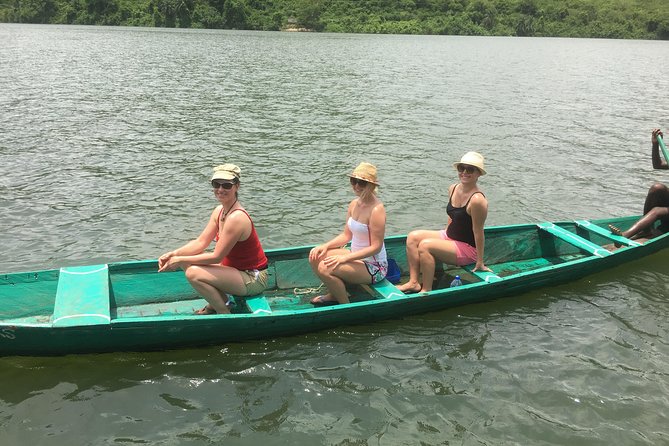
Once you reach Mole, the vibe shifts hard. You trade structured museum stops for wildlife time and slow observation.
Traveling to Tamale and setting up for Mole
Day 5 is travel heavy. You check out, have breakfast, head toward Tamale, and stop along the way for lunch. Then you arrive at Mole National Park, Ghana’s largest national park and home to big wildlife, including elephants.
The park time starts later in the day, which helps. You get acclimated to the environment without pretending you can do everything at once.
Morning walking safari and afternoon poolside viewing
Day 6 is the main safari day. You spend the day exploring Mole with a morning walking safari. The tour gives you chances to see wildlife like monkeys, elephants, warthogs, antelopes, deer, and buffalo.
Then there’s an afternoon of relaxation, including poolside viewing of elephants and warthogs from a distance.
This structure is ideal if you like animals but do not want to spend every minute hiking. Walking safari is active and alert, and the afternoon lets you recharge without losing wildlife chances.
One consideration: wildlife sightings are never guaranteed. You can still get value from the day if you treat it like time outdoors and observation, not a checklist.
Larabanga Mosque and Shea butter learning
Later in the day, you visit Larabanga Mosque, described as Ghana’s renowned and oldest mosque. You also learn about Shea butter making.
This is a nice pairing. You move from nature and animals to spiritual heritage and local production. It rounds out the “north Ghana” side of the trip.
Day 7 and 8: Back to Kumasi and On to Accra
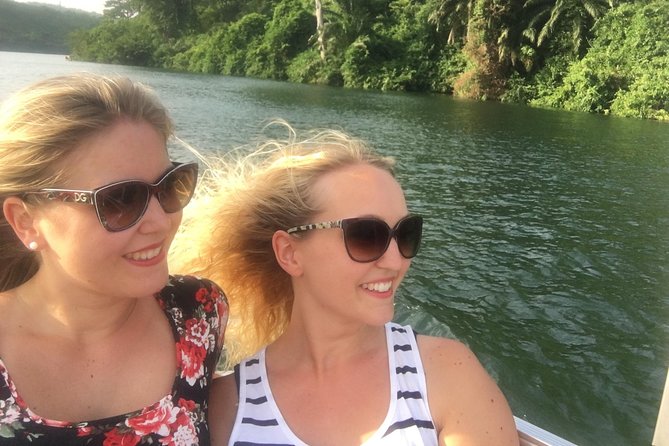
Day 7 is a long return journey. You set off early after breakfast, drive back to Kumasi, and stop at the Tamale Cultural Centre en route.
Arriving before dark matters. It keeps you from ending the day still stuck in transit, which helps you actually enjoy your last day in Kumasi rather than just surviving the road.
Day 8 is your final clean exit. You have breakfast in the morning, then depart Kumasi to Accra, dropping you off at your hotel or the airport. Your trip ends back at the starting meeting point area, tied to Kotoka International Airport logistics.
What the Guide and Private Group Setup Means for You
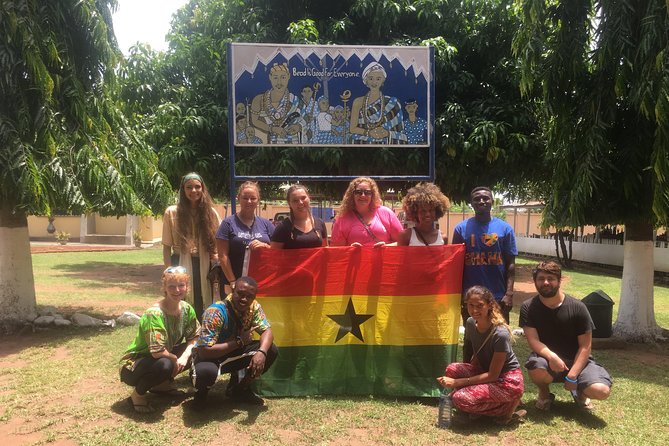
This is listed as a private tour/activity, meaning only your group participates. That is not just a comfort upgrade. It changes how the trip feels.
With a guide handling navigation and language help, you spend less time worrying about what to ask, where to go, and how to interpret what’s happening around you. Multiple guides are named in guest comments, including Kwame, Yaw, Michael, and Kobby, and the consistent theme is that the people behind the program help you relax even when travel days are full.
Because it is private, you can also take advantage of teachable moments. If something grabs your attention in a market, palace museum, or craft village, you can usually ask follow-up questions without the friction of a larger group moving at different speeds.
There is one trade-off, though. Private usually means fewer chances to share costs with strangers. You pay for control and focus, not for social mixing.
Fitness, Comfort, and Packing for This Pace
The tour is listed for travelers with moderate physical fitness. That fits because you have at least one true hike, plus walking in markets and doing day-to-day moving around.
If you want this to feel enjoyable rather than just “completed,” I suggest you plan around:
- Sturdy walking shoes for the hike and walking safaris
- A light daypack for water and essentials
- Comfortable clothes you can layer, since you’ll move between environments
On the comfort side, you get air-conditioned vehicle transport, and you have guesthouse check-ins after the active days. Those breaks matter as much as the attractions.
Who Should Book This Ghana Tour (And Who Might Not)
This tour fits best if you want:
- A guided, low-planning trip that still includes real adventure
- Multiple Ghana regions, not just one city
- A blend of culture, history, craft, waterfalls, and wildlife
- Enough structure to reduce decision fatigue, but enough variety to avoid boredom
You might think twice if you:
- Hate travel days or long drives
- Prefer a very slow pace with lots of free time
- Are sensitive to hiking effort, even at a moderate level
Should You Book This 8-Day Cultural, History and Adventure Tour?
If you want Ghana that feels active and organized, this tour is a strong option. The value is in the heavy lifting: transport, meals, fees, and guided interpretation that helps you get meaning from the places you visit. The route is also well chosen for variety, with everything from recycled-glass craft stops to Kente weaving, Asante heritage sites, and a real safari at Mole.
Book it when you’re ready to trade free time for experiences. If you want one single trip that covers Accra, Volta, Kumasi, and Mole without you building the puzzle yourself, this is exactly the kind of plan that saves time and reduces stress.
FAQ
What time does the tour start?
The tour starts at 7:00 am. The meeting point is Kotoka International Airport in Accra.
Is pickup included?
Yes. Pickup offered is listed, and the start meeting point is at Kotoka International Airport.
What is the duration and overall route?
The tour runs for 8 days (approx.). It includes stops in areas like Volta Region, Kumasi, Tamale, and Mole National Park, then ends back in Accra.
What meals are included?
The package includes breakfast (8), lunch (8), and dinner (7).
What is not included in the price?
Gratitude or tips and drinks are listed as not included.
Do I need a certain fitness level?
Yes. It’s suggested for travelers with a moderate physical fitness level, since the schedule includes a hike.
What is the cancellation policy?
Free cancellation is available. You can cancel up to 24 hours in advance for a full refund. If you cancel less than 24 hours before the start time, the amount paid is not refunded.
Newly reviewed around Accra
- Private Slave Castles and Dungeons Tour in Cape Coast, Ghana★ 5.0 · 3 reviews
- Day Tour to Kakum National Park, Cape Coast and Elmina Castles★ 5.0 · 3 reviews
- Half-Day Guided Fabric Tour in Ghana★ 5.0 · 3 reviews
- Cultural Tour Of Ghana And South Africa 12 Days★ 5.0 · 3 reviews
- Cape Coast Day Tour★ 5.0 · 3 reviews
- Experience Aburi Botanical Gardens And Boti Water Falls In A Day.★ 5.0 · 3 reviews
- Experience the Culture of Ashanti Kingdom in 5days★ 5.0 · 3 reviews
- Full Day Accra Guided Tour★ 5.0 · 3 reviews
Historical Tours, compared.
Experience the Beauty, History and the Culture Of Accra in a Day
Read our review →
Full-Day Private Culture and History Tour of Accra
Read our review →
Ghana Private Historic Tour through Castles and Nature
Read our review →
The Historic Cape Coast and Elmina Tour (The Land of History).
Read our review →
7-Day Private Cultural and Heritage Tour in Ghana
Read our review →Browse the lists this tour appears in