
This 8-day Ghana special is interesting because it knits together the country’s biggest themes in one smooth route, modern Accra and Ashanti Kumasi plus the coast. I like that it mixes cultural sites with hands-on crafts, and then adds the mind-changing weight of the castles.
Two things I’m especially drawn to are the chance to meet Ghana’s ideas through the W.E.B Du Bois Centre in Accra, and the rainforest reset at Kakum National Park with the canopy walk. One possible drawback to plan for is the pace, you’ll cover a lot of ground with long drives, and some stops are emotionally heavy.
Key Highlights You’ll Actually Feel
- Small-group feel (max 10 travelers) with an experienced cultural guide and private transport.
- Accra orientation right after landing, with a possible short visit to the University of Ghana campus at Legon.
- Ashanti craft learning through Kente weaving in Bonwire and Adinkra stamping in Ntonso.
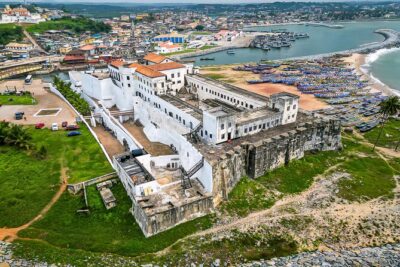
- A guided emotional route on the coast, including Assin Manso and UNESCO sites at Cape Coast Castle and Elmina Castle.
- Kakum canopy walking with a 1000-foot, 7-bridge aerial walkway over the forest canopy.
- Frequent guide praise by name, including George Benson, Emmanuel, Elvis, Josh, and Naa across past departures.
Landing in Accra: Airport welcome plus a Legon campus quick taste
Your first moments are pretty straightforward. You land at Kotoka International Airport, clear immigration and customs, then meet your expert cultural guide for the ride to Accra. If your arrival timing works, you also have the option to take a short tour of the University of Ghana campus at Legon, in an air-conditioned private vehicle.
I like this setup because it helps you get your bearings fast, without forcing you into a full day of sightseeing right after a flight. Also, your guide briefs you on what to expect during your stay, which is a small thing that pays off later when you hit longer days.
More trips leaving Accra:
- The Cape Coast Day Tour
★ 5.0 · 525 reviews - Experience the Beauty, History and the Culture Of Accra in a Day
★ 5.0 · 323 reviews - The Cape Coast Tour
★ 5.0 · 177 reviews
Accra’s big ideas: W.E.B. Du Bois Centre and Independence Square
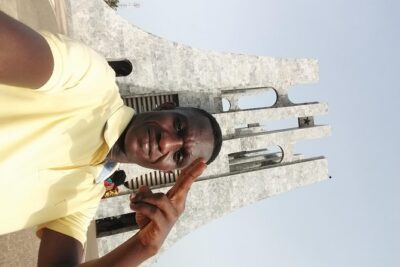
In Accra, you start with the kind of context that makes everything else click. You visit the W.E.B Dubois Centre, honoring the Pan-Africanist who chose to live and work in Ghana. Then you head to Independence Square, where the history theme continues into the Independence/Black Square area.
What I like here is the balance. This isn’t only monuments from the outside. It’s also about how Ghana thinks about identity, which makes your later visits to the coast hit harder and land with more meaning.
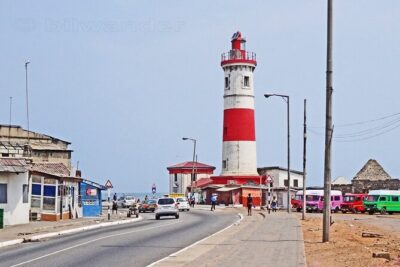
From there, you also spend time in the Jamestown fishing community area, including the lighthouse and the Brazil House viewpoint. This part adds everyday Ghana, not just official landmarks.
Practical tip: plan for walking and moving around even if the day includes a lot of “points to see.” Wear shoes you can rely on, and keep water in mind since you’ll be out in the city for a while.
Kumasi and the Ashanti heart: Manhyia Palace Museum and the Sword Site
After breakfast, you travel from Accra toward Kumasi, the seat of the Ashanti Empire. En route, you pass through scenic parts of the region, including a drive through the Aburi Mountains. You’ll also stop at the Mampong Centre for Scientific Research into Plant Medicine, which focuses on plant-based cures for different ailments.
Then you arrive in Kumasi late afternoon and shift gears into history and symbolism. The Manhyia Palace Museum is the official residence of Ashanti kings until 1974, and now it’s a museum holding treasured items connected to the Ashanti Kingdom. You also visit the Okomfo Anokye Sword Site, a legend-linked stop that helps explain why certain places matter so much in Ashanti storytelling.
One thing to watch: your first Kumasi day is partly transit plus late afternoon exploring. If you’re the type who hates rushing, you might feel this as “just getting started” rather than a full deep day.
Craft villages around Kumasi: Bonwire Kente and Ntonso Adinkra by hand
If you like taking home more than a photo, this is one of the strongest segments. The day focuses on craft villages around Kumasi, including Bonwire, Ntonso, and other areas mentioned as part of the craft village circuit.
You start in Bonwire, where you see how Kente cloth is handmade on looms in a time-honored tradition passed down through generations. You can see Kente styles and there’s space for purchases. The plan also includes the possibility of a courtesy call to the paramount chief in the community, if timing allows.
Then you move to Ntonso, known for Adinkra textiles. Artisans hand-stamp patterns on cotton cloth to make Adinkra fabric, including black-on-black and black-on-red styles used for funerals. You’ll have time to watch the process and interact, which is a big difference from quick souvenir stops.
Practical advice: bring a bit of cash if you want to buy cloth or smaller items, and keep your bargaining style polite. These are craft workers, not only shop counters.
A slower Accra day, if you have one spare:
- From Accra: Cape Coast, Elmina Castle & Kakum Park Day Tour
★ 4.6 · 144 reviews - Accra Detailed City Tour
★ 4.5 · 118 reviews - Accra Guided City Tour Experience
★ 4.7 · 88 reviews - Accra Guided City Tour Experience
★ 5.0 · 76 reviews
Cape Coast and Assin Manso: UNESCO forts plus the Slave River
Heading to the coast is where the tone changes. You drive to Cape Coast with a major stop at Assin Manso Ancestral Slave River Park. Here you visit the Assin Manso Slave River, described as the place where captured Africans were washed before being confined in slave castles while awaiting shipment to the Americas and the Caribbean.
You also learn about the burial site of two former slaves from the U.S. and Jamaica whose remains were re-interred in August 1998 during Ghana’s first Emancipation Day celebration. That detail matters because it connects centuries of history to specific events that are recent enough to feel real.
Then you arrive in Cape Coast for Cape Coast Castle and Museum. Cape Coast Castle is a UNESCO World Heritage Site, and it includes the Door of No Return. After that, you check into your hotel, and your evening is free.
This is not “light content,” but it’s one of the most valuable parts of the whole trip. If you prefer history in a comfortable distance, you might find this day intense. If you want a guided understanding of what the coast experienced and why it still matters, this is the core payoff.
Elmina and Kakum: rainforest beauty after the forts
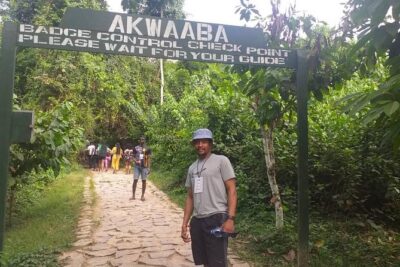
The next big day pairs two extremes well. First comes Kakum National Park. You get a brief walking tour on the forest floor, with the chance to see birds and butterflies and possibly mammals including monkeys and the forest elephant. Then you go to the canopy walk.
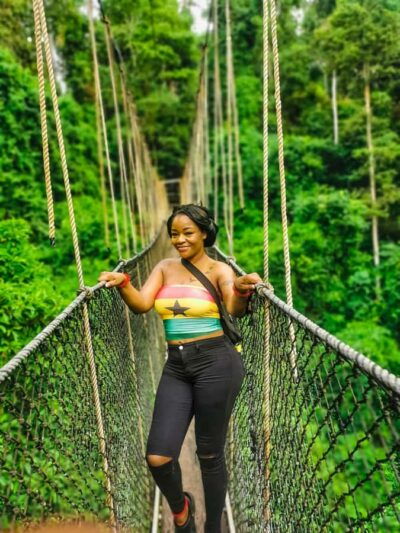
The Kakum canopy walk is the famous part, an aerial walkway through the tree canopy, about 1000 feet long with seven bridges and viewing platforms reaching heights of over 150 feet above ground. It’s a good physical reset after the castles, and it also shifts your brain from dates and details to breath and movement.
In the afternoon, you visit Elmina Castle, another UNESCO World Heritage Site, built in 1482. This is a strong follow-on to Cape Coast, because it gives you another angle on the same era and adds depth to the coastal story.
Practical tip: the canopy walk involves height and time outside, so wear comfortable shoes you can trust and dress for weather changes. Your operator notes the experience needs good weather, so you should be ready for the plan to be affected if conditions turn.
Back to Accra: Abandze and the shopping stretch
After breakfast, you check out of your hotel and head back toward Accra. You make a brief stop at Abandze, the ancestral home of Louis Armstrong. Even though it’s a quick pause, it’s a fun reminder that Ghana’s story intersects with global music history in unexpected ways.
By late afternoon you’re back in Accra, and you have time for options. One easy shopping route is around Oxford Street in Osu, including stops like Global Mamas Shop and Woodin Shop plus other local stalls for African wear, beads, and accessories. If you’d rather focus on traditional crafts and artifacts, there’s also the Wild Gecko on the Airport road.
If you want nightlife, this is also the day where you can choose it. One dinner idea built into the timing is a farewell dinner at a local restaurant near your hotel, which can be a nice bookend to a trip that covered everything from palaces to parks.
Your final day in Accra: flexible time before you fly
Day 8 is intentionally looser. You spend the day at leisure in Accra and nearby areas, with help from your driver and guide to pick the spots you did not manage yet. Then you get transferred back to Kotoka International Airport for your onward flight.
I like this structure because it prevents the trip from feeling like a nonstop checklist. You can also use this day to buy last items, return to a favorite area, or just give yourself time to decompress.
Price and value: what your $5,060 covers and what you’ll still need
At $5,060 per person for about eight days, the question is not whether it’s “cheap.” It’s whether it feels organized and fair for what you get.
Here’s the value logic that makes this price make sense:
- You’re paying for private vehicle transportation plus an experienced cultural tour guide for the full flow.
- Round-trip airport and hotel transfers are included.
- You get breakfast daily (listed as 7 breakfasts).
- Admissions are included for the listed sites, including major stops like Cape Coast Castle and the parks and museums in the plan.
What you should budget separately:
- Your international flight and visa are not included, though the operator provides assistance with visa application.
- Travel insurance is not included.
- Gratuities for driver and guide are your responsibility.
- Meals other than listed breakfasts are on you.
So, this is a value pick if you want someone to handle the routing, the context, and the ticket costs, while you focus on the experience. If you love independent travel and hate group schedules, you might feel the cost is for structure rather than flexibility.
Who this tour fits best, and who might want a different pace
This Ghana special fits best if you want a guided introduction that covers big regions without forcing you to plan every leg. It also fits travelers who prefer clarity and comfort, since the plan uses private transport and keeps the group small, up to 10 travelers.
It’s also ideal if you care about cultural interpretation and crafts. Watching Kente weaving at Bonwire and Adinkra stamping at Ntonso is a hands-on kind of learning, not just “look and go.”
A less perfect match if:
- You hate long driving days. The route includes Accra to Kumasi and then to Cape Coast, plus the return.
- You’re sensitive to emotionally heavy history. The slave trade stops, including Assin Manso and the castles, are unavoidable in this plan.
Booking decision: should you book Ghana 8 Day Special?
I’d recommend booking this tour if you want a one-trip Ghana overview that hits the country’s key places with real context, plus a natural break at Kakum National Park. The guides have a strong reputation in prior departures, with named leads like George Benson, Emmanuel, Elvis, Josh, and Naa praised for making the story understandable and the days feel safe and well handled.
I’d think twice if you want a slow travel style or if you’d rather avoid the emotional weight of the coastal forts. Still, if you choose this trip with the right expectations, it’s a well-structured route that gives you both meaning and memorable scenery, not just stamps on a passport.
FAQ
How long is the Ghana 8 Day Special and where does it start?
It’s approximately 8 days and it starts at Kotoka International Airport in Accra, Ghana. The tour ends back at the meeting point.
What’s included in the tour price?
Round-trip airport to hotel transfers, hotel accommodation in the indicated properties, private vehicle transportation, an experienced cultural tour guide, breakfasts daily (listed as 7 breakfasts), admission to listed sites, and assistance with visa application are included.
Are admission tickets included?
Yes. The tour includes admission to the listed sites, with some stops noted as free (for example, Abandze and your final Accra day).
What meals are included?
Breakfast is included daily, listed as 7 breakfasts. Meals other than those listed are not included.
Do I need to apply for a visa myself?
Visa and international flights are not included, but the tour provides assistance with visa application.
What is the cancellation policy?
Free cancellation is available if you cancel up to 24 hours in advance for a full refund. If it’s canceled due to poor weather, you’ll be offered a different date or a full refund.
Newly reviewed around Accra
- Private Slave Castles and Dungeons Tour in Cape Coast, Ghana★ 5.0 · 3 reviews
- Day Tour to Kakum National Park, Cape Coast and Elmina Castles★ 5.0 · 3 reviews
- Half-Day Guided Fabric Tour in Ghana★ 5.0 · 3 reviews
- Cultural Tour Of Ghana And South Africa 12 Days★ 5.0 · 3 reviews
- Cape Coast Day Tour★ 5.0 · 3 reviews
- Experience the Culture of Ashanti Kingdom in 5days★ 5.0 · 3 reviews
- Full Day Accra Guided Tour★ 5.0 · 3 reviews
- Experience Aburi Botanical Gardens And Boti Water Falls In A Day.★ 5.0 · 3 reviews
Accra Tours, compared.
Experience the Beauty, History and the Culture Of Accra in a Day
Read our review →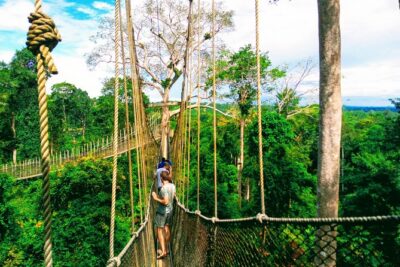
Cape Coast, Elmina Castle & Kakum Park Day Tour
Read our review →
Browse the lists this tour appears in