
Reviewed · TOURS
Accra Architectural Tour
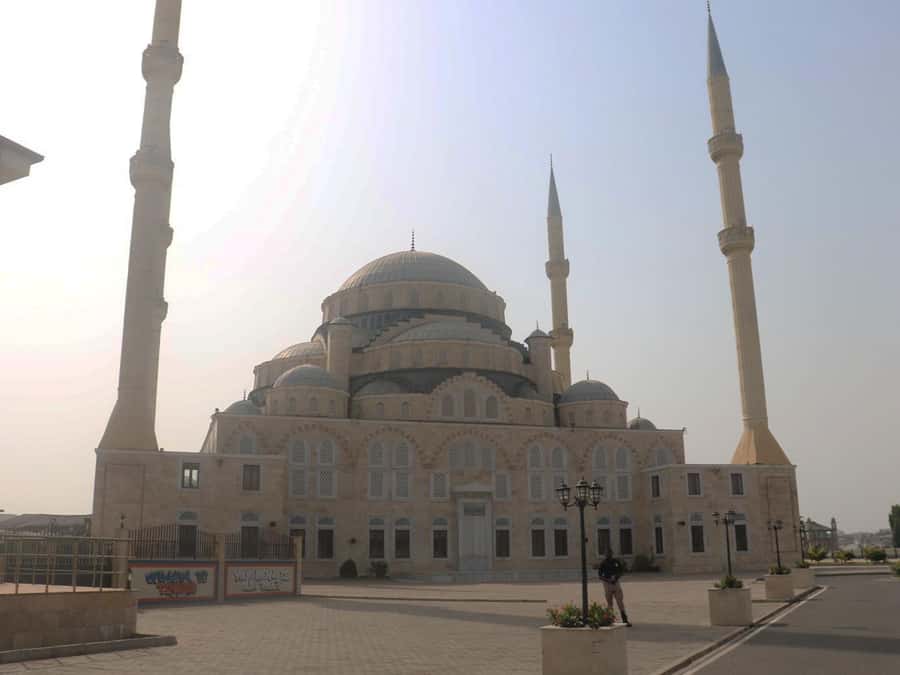
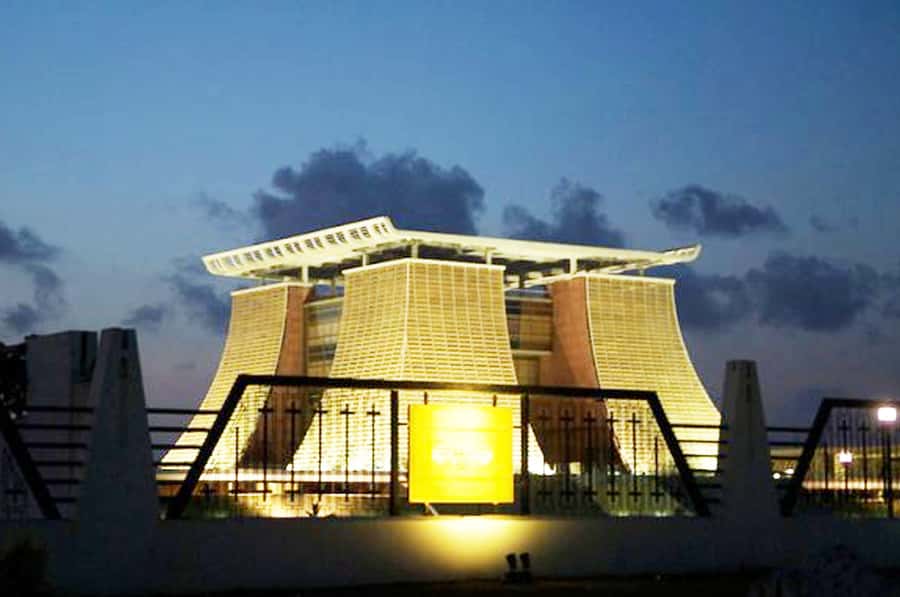
Accra’s architecture tells a story in layers, not in a straight line. I like that this tour links pre and post-colonial buildings you can still see today, with clear guide talk that helps you read what you’re looking at on the street.
Two things I really value are the focus on Danish, Dutch, and English neighborhoods during a long walking stretch, and the way the day ends at the Accra International Art Centre for practical souvenir shopping. One thing to keep in mind is that a big part of the tour is on foot (about 3 to 4 hours of walking), so comfy shoes and sun protection matter.
Key highlights at a glance
- 3 to 4 hours of walking through Accra’s historic neighborhoods with architecture-focused stories
- Danish, Dutch, and English neighborhood stops tied to early European influence
- Jamestown’s Ga-Mashie area as a shift from colonial-style sites to local heritage
- Final visit to Accra International Art Centre for art and take-home pieces
- English and French live guiding, plus audio guides in English, French, and German
- Wheelchair accessible, with private vehicle transportation included
A Walking Route Through Accra’s Colonial Layers
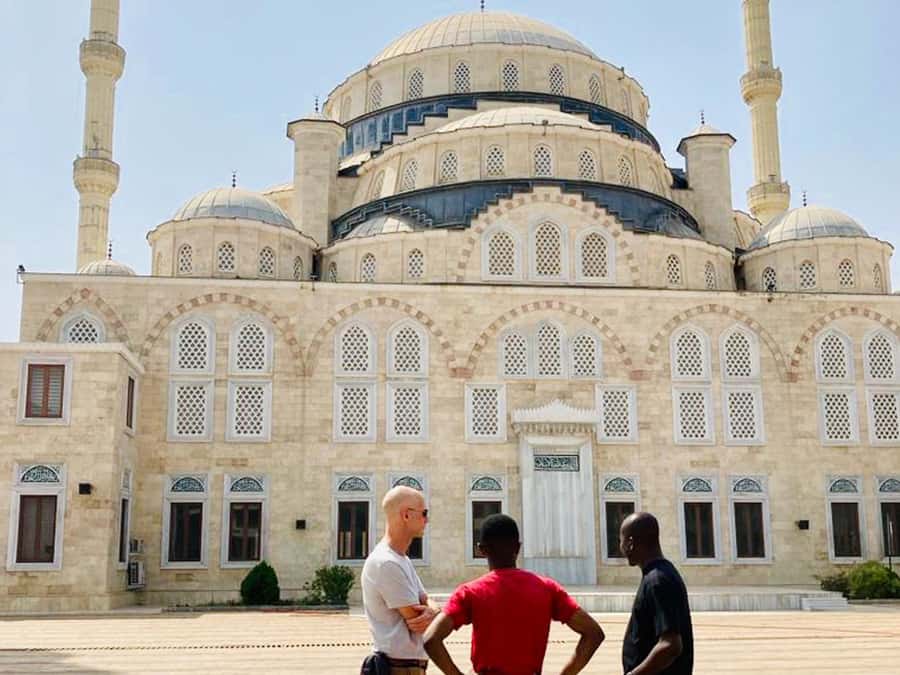
This is the kind of half-day tour that helps you stop treating a city as scenery. Accra can feel fast and loud, but the architectural clues are there if someone points them out. The tour is designed to get you looking at the real stuff, the buildings that have survived for years and still shape how neighborhoods feel.
I’m also glad this isn’t only about one era. You’ll get both pre-colonial and post-colonial context, which matters because European influence did not replace everything overnight. It layered on top of existing urban life and local building traditions.
The tour is guided by professionals from TourGuideKormi, and the reviews highlight how easy it is to talk with the team. One solo traveler specifically mentioned feeling looked after, and another praised the organization and friendly, motivated guides.
More trips leaving Accra:
- The Cape Coast Day Tour
★ 5.0 · 525 reviews - Experience the Beauty, History and the Culture Of Accra in a Day
★ 5.0 · 323 reviews - The Cape Coast Tour
★ 5.0 · 177 reviews
Who Guides You, and How the Story Gets Told
You’ll travel with an experienced English-speaking tour guide (with English and French available). That live narration is the backbone of this tour, especially during the walking segment where you’ll pass by buildings you might otherwise gloss over.
There’s also an audio guide included, offered in English, French, and German. Even if you’re primarily listening to the live guide, it can help you review what you heard later or switch if you need a break from constant talking.
From the reviews, the team name that comes up again and again is Kormi’s group, with guides like Abena and Princess noted as part of the experience. Another review also mentions driver Kwame, and that can matter more than people expect. When your driver is friendly and chatty in a calm way, the day feels smoother, especially if you’re new to Accra.
First Stops in the Danish, Dutch, and English Neighborhoods
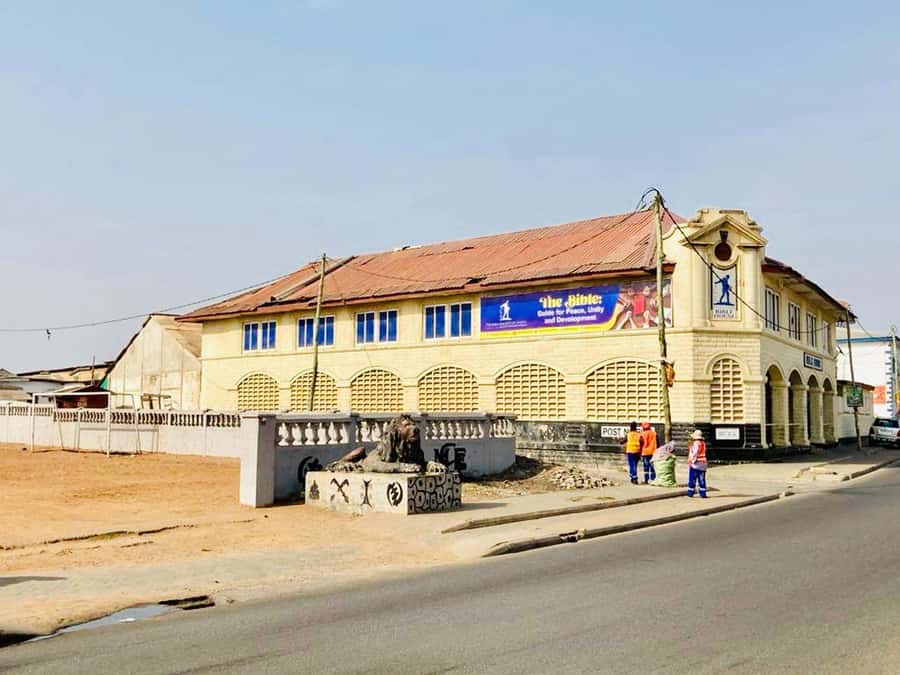
The heart of the tour starts with a 3 to 4 hour walking route through Accra’s Danish, Dutch, and English neighborhoods. The point is not just to see buildings, but to connect each structure to the historical story your guide tells.
As you walk, you’ll be looking at architectural highlights in a coastal city shaped by early European presence. The tour focuses on stories about elegant homes and imposing mansions tied to the first Dutch and Danish colonizers. That’s a big part of why this tour works for architecture lovers, because it gives you a human reason to notice details like layout, style, and how spaces were used.
A practical tip: pace yourself during this segment. Because it’s a walking tour, you’ll be outdoors for long stretches. Plan to take small pauses when you can, especially if you’re heat-sensitive.
One more note based on how the tour is described: you’ll also pass alongside pre-colonial buildings in the same neighborhoods. That contrast is the whole idea. You’ll start to see the city’s layers instead of imagining one era erased the other.
Jamestown Ga-Mashie: Where Heritage Feels Close
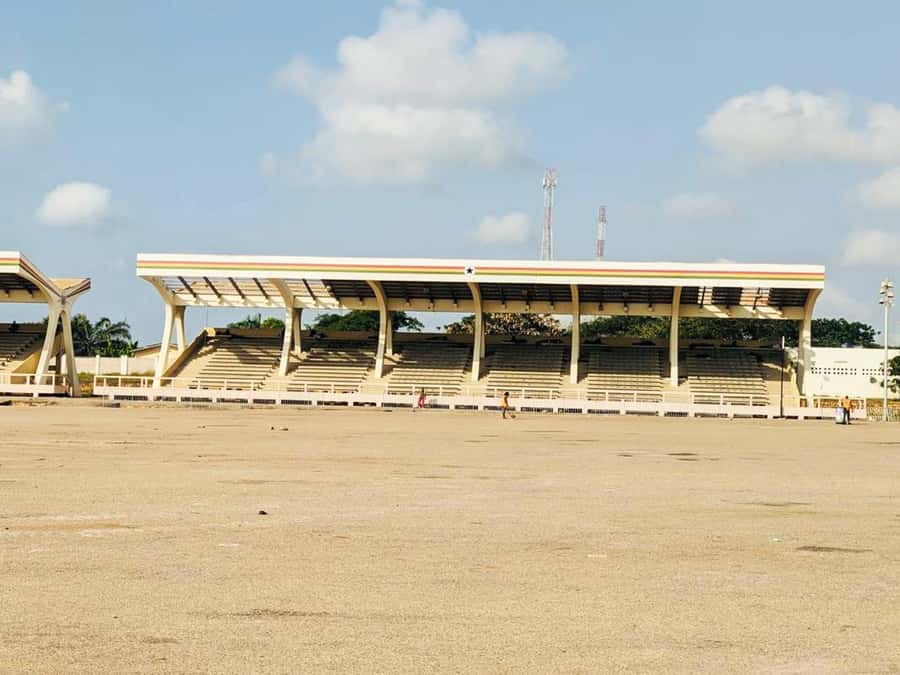
After the neighborhood walking, you move on to Jamestown, specifically the Ga-Mashie area. This is where the tour shifts tone. Instead of focusing only on European-influenced architecture, Jamestown helps you connect the built environment to local heritage.
If you’ve only ever heard Jamestown discussed in history terms, this stop helps bring it back to streets and everyday settings. The guide stories you hear here are meant to show how Accra’s urban life continued and evolved even as outside influences arrived.
This part of the tour is also a good moment to slow down mentally. By now, you’ve probably taken in lots of building shapes and styles. Jamestown provides another frame so you don’t end the day thinking architecture is only about colonial power.
A slower Accra day, if you have one spare:
- From Accra: Cape Coast, Elmina Castle & Kakum Park Day Tour
★ 4.6 · 144 reviews - Accra Detailed City Tour
★ 4.5 · 118 reviews - Accra Guided City Tour Experience
★ 4.7 · 88 reviews - Accra Guided City Tour Experience
★ 5.0 · 76 reviews
Entering Accra International Art Centre for Real Souvenir Shopping
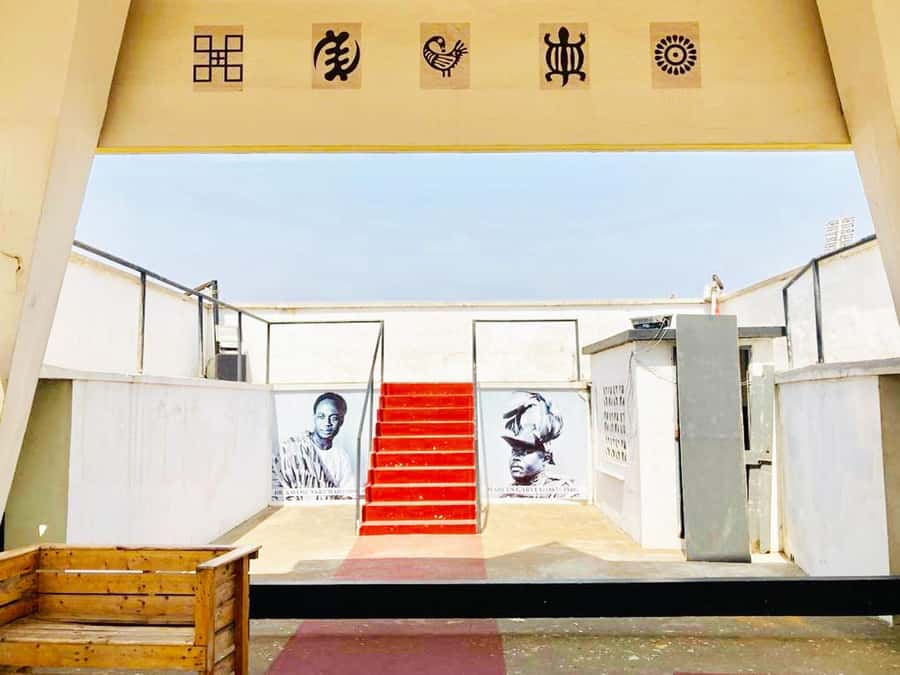
The final stop is Accra International Art Centre, which is there for one clear reason: you can translate what you learned into something you take home. The tour specifically calls out souvenir shopping here.
For me, this is where good tours earn their keep. A lot of architecture days end with photos and vague memories. Here, you get a place where art and craft are a reasonable extension of the day’s theme.
If you like buying locally made pieces, use this stop to ask questions and compare items. You’re more likely to make a smart purchase when you’ve just learned how the city’s identity is shaped by different influences, and you’re looking at work in that same cultural context.
Price and Time: Is $130 Worth It?
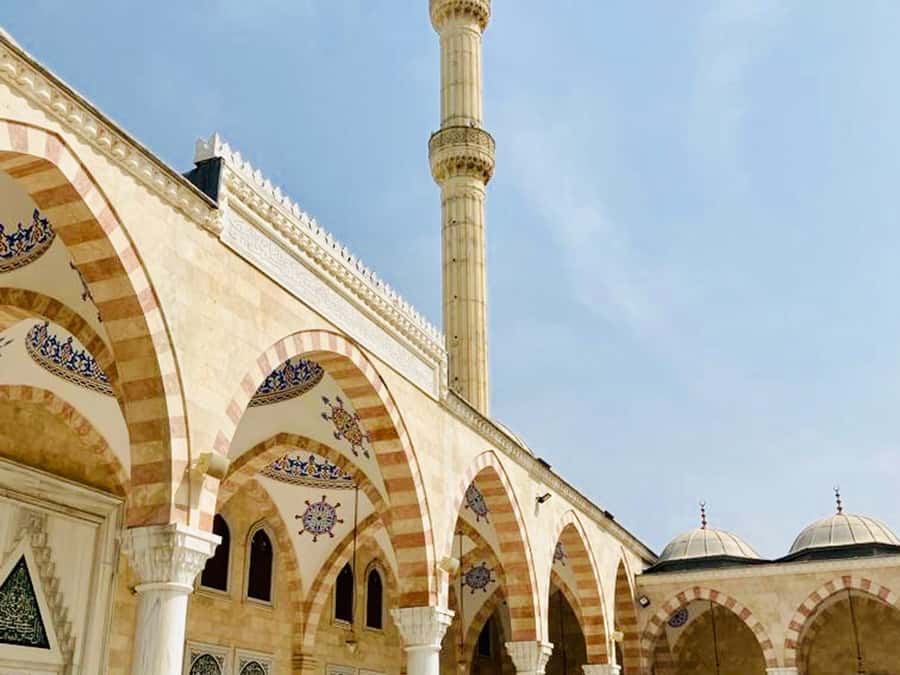
The price is $130 per person for a 6-hour tour. For that cost, you get transportation in a private vehicle, an experienced guide, and entrance fees. You also get skip-the-line handling, plus live guidance in English and French and an audio guide in English, French, and German.
Whether it’s a “good deal” comes down to how you like to travel. If you enjoy walking, structured storytelling, and you want someone to connect buildings to context, $130 for a guided half-day in Accra can make sense. The walking segment alone takes time, and the guide work is the real value.
If you prefer a very relaxed pace with minimal walking, the tour may feel like a lot. Remember that about 3 to 4 hours is dedicated to walking, with outdoor sun exposure. For some travelers, a different format, like a shorter site-by-site plan, could fit better.
My advice: treat this as a research visit for your brain, not just a photo run for your camera roll. You’re paying for interpretation and guided pacing, so show up ready to look carefully.
What to Bring and How to Stay Comfortable
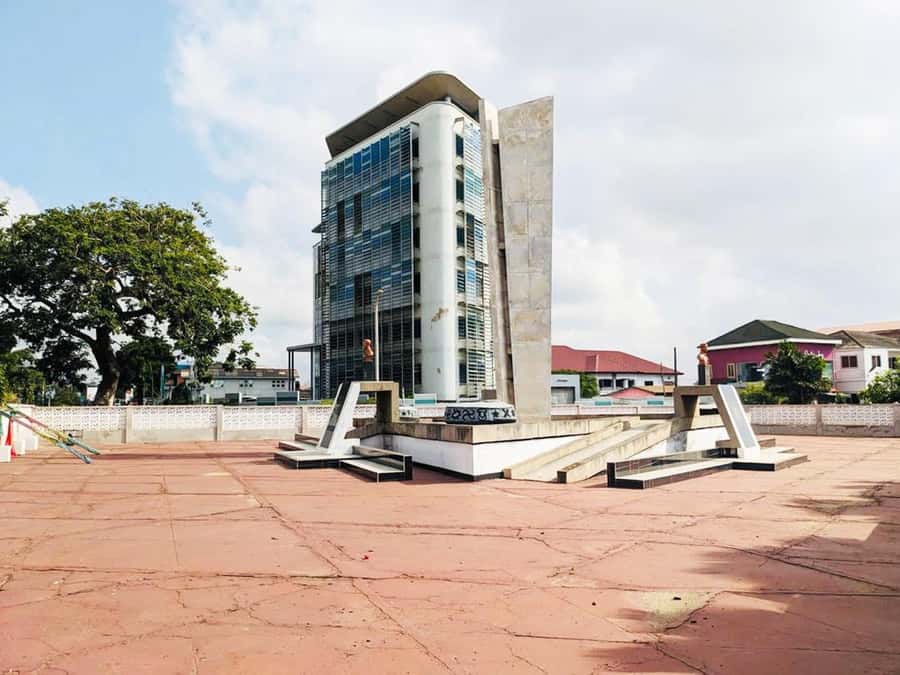
This tour is practical, so pack practical. The recommended items are exactly what I’d expect for an Accra walking day:
- Sports shoes (real traction helps on streets)
- Comfortable clothes
- Sunglasses
- Hat and sunscreen
- Water
- Camera
- Personal medication
- Passport or ID card
Even if you travel light, don’t skip the basics like water, sunglasses, and sun protection. Your pace will be limited by heat and fatigue before it’s limited by the route.
Also, bring your ID since a passport or ID card is listed. That’s a small thing, but it can save you stress if you run into checks.
Comfort, Accessibility, and Getting Around

The tour includes transportation in a private vehicle, which helps break up the walking day. You return to your pick up point at the end, so you’re not stuck figuring out your own next step.
It’s also marked as wheelchair accessible. I can’t tell you the exact curb situations you’ll face, but it’s a meaningful flag that the provider plans for mobility needs and coordinates movement between stops.
If you use a wheelchair or mobility aid, I’d suggest planning for sun exposure and having a plan for hydration during the walking portion. Even accessible tours often include at least some sections where the environment is not perfect.
Who Should Book This Tour (and Who Might Skip It)
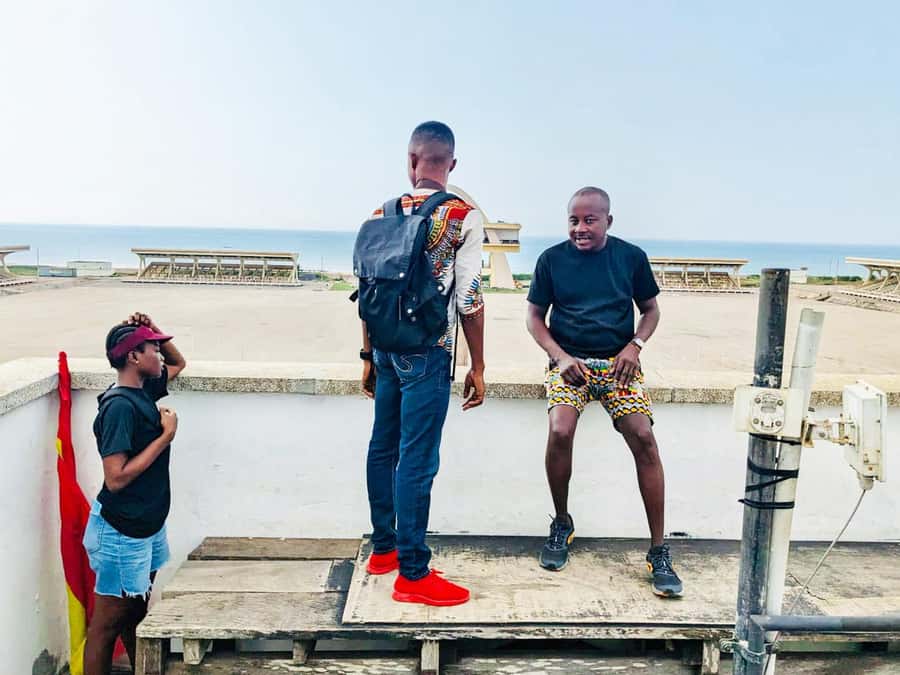
This tour is a strong fit if you:
- like architecture and want help reading what you see
- enjoy guided history that links buildings to real stories
- want a focused half-day option in Accra without planning multiple stops yourself
- want a clear ending with art shopping at a dedicated center
It might be less ideal if you:
- dislike walking outdoors for most of the morning or afternoon
- want a strictly museum-style experience with minimal street time
- prefer a theme like food, nightlife, or one specific landmark type
Based on the reviews, the strongest praise centers on the guides being friendly and organized. One reviewer called the experience eye opening and praised the guides for giving historical facts that make Ghana’s culture easier to appreciate. Another mentioned the day trip was perfectly organized. That combination matters: good content plus smooth flow.
Should You Book the Accra Architectural Tour?
If you want a guided way to understand Accra beyond headlines, I’d book it. This tour does the key thing well: it pairs real buildings with stories, then adds a practical finish at the Accra International Art Centre.
Book it if you’re comfortable walking for half the day and you want both architectural eras in one outing, from European-influenced neighborhoods to Jamestown’s Ga-Mashie area. Pass or consider an alternative if you’re not up for sun, steps, and street walking.
One last deciding tip: if you like the idea of having named guides such as Abena, Princess, and having a team that feels welcoming, this tour seems to deliver that travel-style comfort. And for a first or last day in Ghana when you want momentum, this kind of structured architecture route is exactly the right kind of “useful” souvenir in your head.
FAQ
How long is the Accra Architectural Tour?
The tour lasts 6 hours.
What is the price per person?
The price is $130 per person.
What areas of Accra does the tour cover?
You’ll visit the Danish, Dutch and English neighborhoods, then go to Jamestown, Ga-Mashie, and finish at the Accra International Art Centre.
Is there a walking portion?
Yes. The tour includes a 3 to 4 hour walking tour through the historic neighborhoods.
What language options are available?
The live tour guide is offered in English and French. An audio guide is also included in English, French, and German.
What’s included in the tour price?
Included items are private vehicle transportation, an experienced English-speaking tour guide, and entrance fees.
Does the tour have wheelchair accessibility?
Yes, the tour is wheelchair accessible.
What should I bring for the tour?
Bring sports shoes, comfortable clothes, sunglasses, hat, sunscreen, water, camera, personal medication, and your passport or ID card.
Is cancellation possible?
The tour offers free cancellation up to 24 hours in advance for a full refund.
Newly reviewed around Accra
- Private Slave Castles and Dungeons Tour in Cape Coast, Ghana★ 5.0 · 3 reviews
- Day Tour to Kakum National Park, Cape Coast and Elmina Castles★ 5.0 · 3 reviews
- Half-Day Guided Fabric Tour in Ghana★ 5.0 · 3 reviews
- Cultural Tour Of Ghana And South Africa 12 Days★ 5.0 · 3 reviews
- Cape Coast Day Tour★ 5.0 · 3 reviews
- Full Day Accra Guided Tour★ 5.0 · 3 reviews
- Experience Aburi Botanical Gardens And Boti Water Falls In A Day.★ 5.0 · 3 reviews
- Experience the Culture of Ashanti Kingdom in 5days★ 5.0 · 3 reviews
Tours, compared.
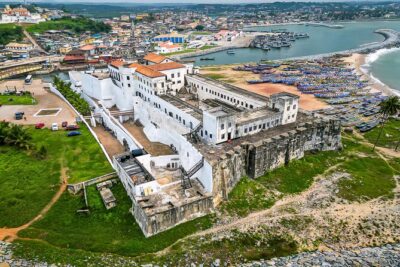


Cape Coast, Elmina Castle & Kakum Park Day Tour
Read our review →

Boti Falls, Umbrella Rock, Aburi Gardens & Cocoa Farm Tour
Read our review →Browse the lists this tour appears in