
Reviewed · ACCRA TOURS
A Taste of West Africa – Ghana Togo & Benin
A Taste of West Africa is interesting because it strings together three countries in one tight 8-day loop, with a mix of coastal forts, inland markets, and lake villages. You also get a private guide, so questions are easy and the day feels less like a checklist.
Two things I especially like are the balance of big, memorable sites and everyday culture. You’ll walk the Kakum canopy walkway and then move on to Cape Coast and Elmina, where the stories are heavy but explained clearly. And you’ll also hit the voodoo-focused stops in Togo and Benin, plus cultural performances like Gelede masked dance and the Zangbeto Ceremony.
One consideration: this trip is active. You’ll do canopy walking, markets, and multiple boat rides, and it asks for moderate physical fitness in a smart-casual dress code. Plan for long days, not a “sit back and relax” pace.
Key highlights worth your attention
- Kakum National Park canopy walkway choice, including a longer, high and famous route
- Cape Coast and Elmina castles, with guided context on slavery and colonial history
- Fantasy coffin makers in Nungua, where coffins signal identity and affiliation
- Akodessewa Fetish Market area, voodoo charms and remedies stop (with extra cost likely)
- Boat rides to Togoville and Ganvie, water life without rushing past it
- Porto-Novo mix of Afro-Brazilian return stories and old palaces, anchored by the Great Mosque
Why this West Africa route works in 8 days
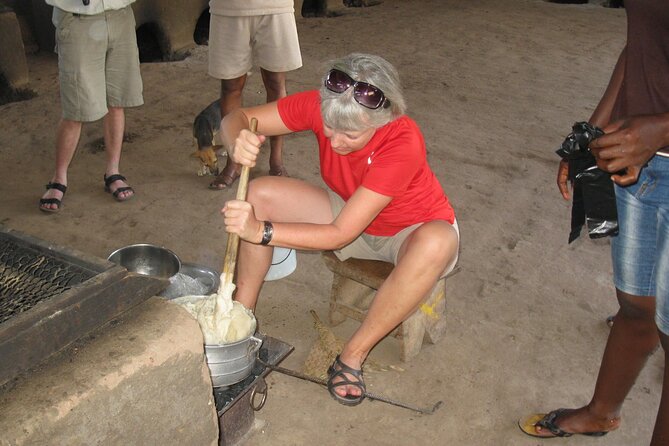
This tour is built for people who want West Africa to feel connected, not like three separate trips stitched together. Starting in Accra lets you get oriented, then the route naturally swings from Ghana’s rainforest and forts toward Togo’s water villages and Benin’s sacred sites.
The private guide format is the real advantage. In places like the castles or the voodoo sites, you’ll want interpretation. A guide can slow things down when you need it, and explain local meaning instead of leaving you to guess.
The schedule is also structured around “big anchors” each day. That matters because the region’s distances and timing can be tricky. You’ll still have market time and cultural stops, not just monuments.
More trips leaving Accra:
- The Cape Coast Day Tour
★ 5.0 · 525 reviews - Experience the Beauty, History and the Culture Of Accra in a Day
★ 5.0 · 323 reviews - The Cape Coast Tour
★ 5.0 · 177 reviews
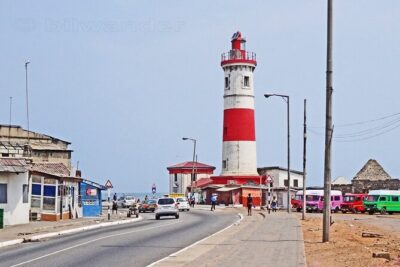
Day 1 in Accra: James Town on foot, then you’re set up for the week
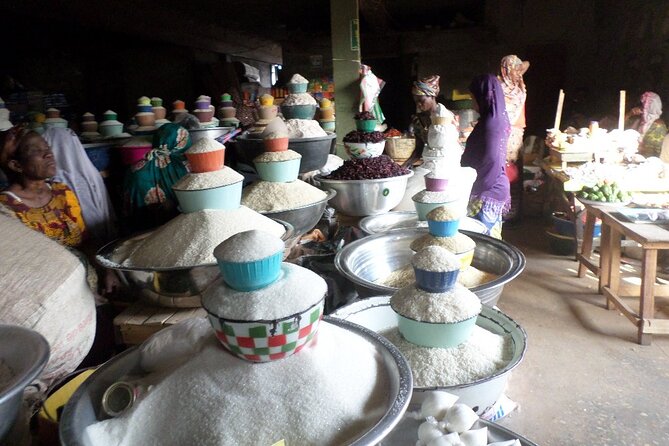
Your day begins in Accra, with a Blastours representative meeting you for a hotel transfer. If arrival timing allows, you can do a walking tour through James Town and old Accra.
Why I like this start: it gives you a sense of place before the more intense days. You’ll see streets and neighborhoods before you jump to castles and shrines, which helps everything later make more emotional sense.
Practical note: walking in old Accra can be uneven, and this is still the start of the trip. Keep water handy and pace yourself so you don’t feel “behind” once the itinerary accelerates.
Kakum National Park canopy walkway: forest air and a long look at nature
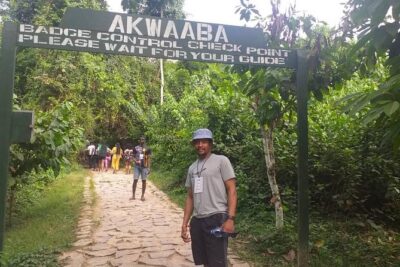
Kakum National Park is Day 2, and the highlight is clear. You get access to the canopy walkway over undisturbed virgin rainforest, with the option of:
- a 1-hour walk on forest trails, or
- the longer hike on the longest and highest canopy walkway in West Africa
Admission is included, which is a nice win in cost control. More importantly, this stop changes the tone. After Accra, it’s a nature reset, with big views and a real sense of the canopy world.
One thing to consider: heights and vibrations. You’ll be on suspension-style walkways, and they can sway. If you’re nervous on bridges or have vertigo, choose the forest trails option instead of the full canopy route.
Cape Coast Castle: history you can’t ignore, explained with stopovers
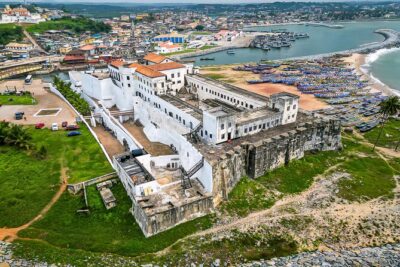
After Kakum, you head to Cape Coast Castle (Cabo Corso), with a couple of brief stopovers along the way: an oil palm plantation and a local factory to see work in progress. Then you tour Cape Coast Castle, a fortress built by the Swedes in 1653, seized by the Danes, and later conquered by the British.
This is the kind of day where the guide makes a difference. A place like Cape Coast can be emotionally heavy on its own, but interpretation helps you understand the system behind the suffering, not just the building.
What’s good about the pacing is that you see everyday production first, oil palm and local work, before you step into the fortress. That contrast makes the history feel less abstract.
A slower Accra day, if you have one spare:
- From Accra: Cape Coast, Elmina Castle & Kakum Park Day Tour
★ 4.6 · 144 reviews - Accra Detailed City Tour
★ 4.5 · 118 reviews - Accra Guided City Tour Experience
★ 4.7 · 88 reviews - Accra Guided City Tour Experience
★ 5.0 · 76 reviews
Elmina Castle and Fort St Jago: colonial past meets Fanti life now
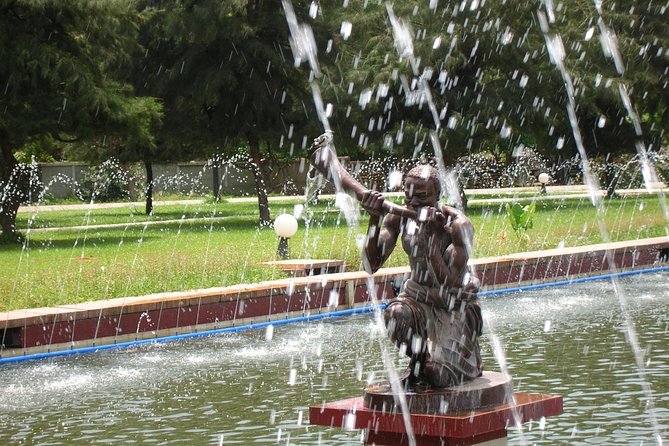
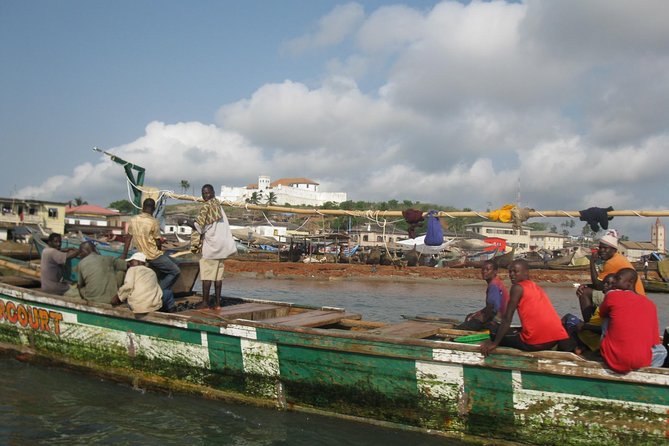
Day 3 is Elmina and its surrounding city stops. You visit Elmina Castle, described as well preserved, for insight into the history of slavery. Then you continue to Fort St Jago as part of an Elmina city tour, where you learn more about the colonial past and also the present lifestyle of the Fantis.
I like how Day 3 doesn’t keep you stuck in the past. You still face history directly, but you also get a window into how communities live after the fact. That balance is important, especially if you’re trying to understand West Africa as a living place, not a museum.
Potential drawback: you may feel “worn out” after castle days. If you’re sensitive to difficult history, take time during breaks to reset. Even with a guide, this is intense subject matter.
Nungua Market, coffin artistry, and Black Star Square in one day
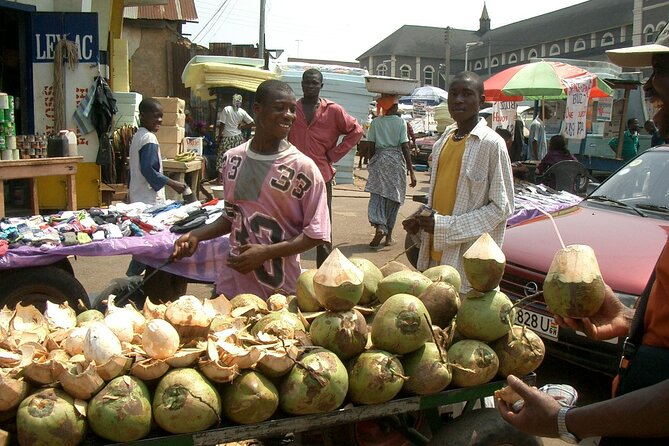
Day 4 is a strong culture-and-identity day in Ghana. It starts at the Nungua Local Market and includes a stop to see the Fantasy Coffin makers. These coffins are shaped to reflect a person’s affiliation, so it’s not “fun” in the theme-park way. It’s a visual language for meaning, status, and identity.
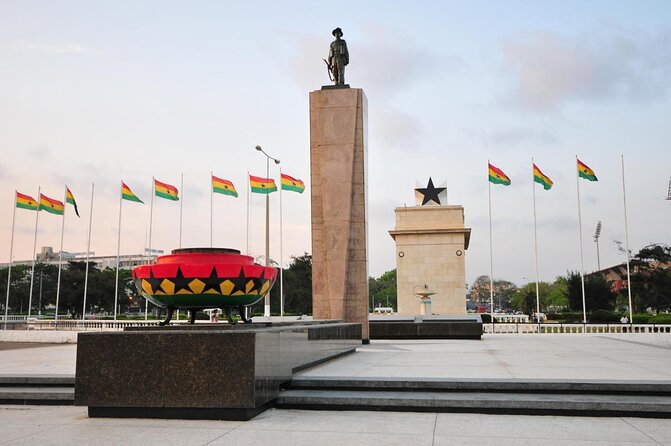
From there, you head to the Artists Alliance Gallery, which features contemporary Ghanaian painting and sculpture by established and up-and-coming artists. Then it’s Independence Square, also called Black Star Square, the site where Ghana’s independence from colonial rule was declared in 1957.
You end with a stroll at the Center for National Culture, Ghana’s largest craft market area. Admission is listed as free for that part, and it’s your chance to shop for African arts and crafts and traditional clothing.
What to watch: market time can tempt you into shopping fast. I’d rather you plan a small budget and buy with intent, because good work is worth slowing down for.
Grand March and the voodoo market near Lomé: what you’ll see and what it costs
Day 5 begins at Grand Marche, an open-air market often associated with “Nana Benz.” It’s also your chance to observe daily commerce without needing special context.
Then you go to Akodessewa Fetish Market, the main voodoo market where you can find magic remedies and local voodoo charms used by local sorcerers. It’s listed as admission not included, so expect that to be an extra cost during the visit, depending on how it’s handled on the day.
After that, you take the big shift toward water and tradition with a boat ride to Togoville on Lac Togo. In Togoville, you visit shrines, the ancient German Cathedral, and the traditional museum of the King of Togoville. Admission is included.
Why this day works: it connects belief systems and place. You’re not only hearing about voodoo as an idea. You see how it lives in trade, in shrines, and in local museums.
Consideration: voodoo sites can be intense culturally. If you’re uncomfortable with spiritual symbolism, I’d still suggest going with respect and staying guided. Let your guide handle what you should photograph, where you should stand, and how to ask questions politely.
Porto-Novo: the Great Mosque, Afro-Brazilian return stories, and palace history
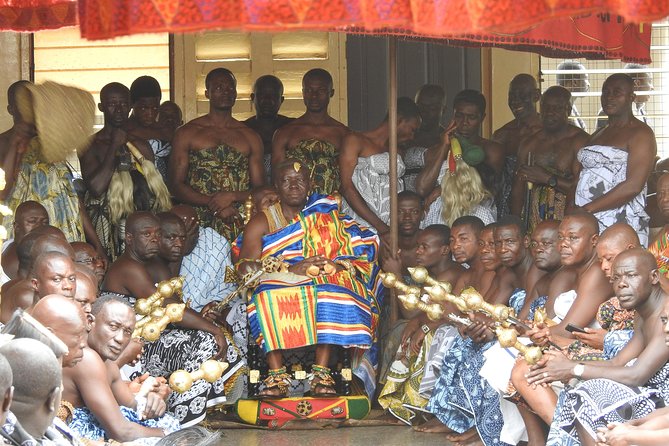
Day 6 centers on Porto-Novo, and the highlight is the Great Mosque of Porto-Novo. Many Afro-Brazilians settled in Porto-Novo after their return to Africa following emancipation in Brazil, and the mosque visit ties into that story.
You also visit the lively market and an ethnographic museum. The tour includes the Grand Mosque, which was formerly a church designed in Brazilian style, plus the Da Silva Museum and the 300-year-old Palace of King Toffa.
This is one of the best “identity layers” days on the route. Porto-Novo gives you a lens on how different Atlantic histories folded back into West Africa. That’s a lot to process, but it’s also why the stop feels meaningful instead of just architectural.
Practical note: you’ll be moving between market areas and museum-like spaces. Dress in smart-casual clothing and plan for respectful behavior around religious spaces.
Lac Nokoué and Ganvie: the Venice of the continent on your feet and on a boat
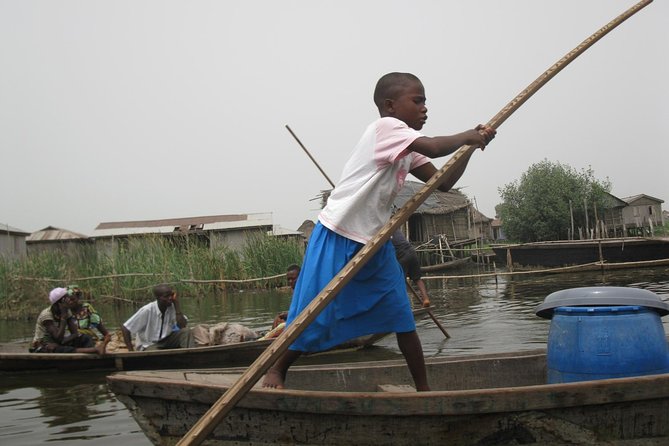
Day 7 is all about Lac Nokoué. You take a boat ride on the Nakoué river, and the highlight is Ganvie, described as the Venice of the Continent. It’s a 500-year-old village on water.
The story here matters. In ancient times, people took refuge on Lake Nokoue from attacks of the Fons and Dahomey warriors. A deep belief forbade fighting on water, which helped Ganvie survive as a refuge community.
After Ganvie, you visit Temple des Pythons. This includes the Sacred Forest and Temple of Pythons, home to sacred snakes. Then you head to Ouidah Museum of History, based in the Portuguese Fort, with exhibits focusing on the slave trade and Benin cultural links with Brazil and the Caribbean.
Why I like stacking these three stops: you get water life, sacred space, and Atlantic history, all in one day. It’s emotionally varied, so it doesn’t become one-note.
Potential drawback: you’ll likely want a quiet evening after this. Between boats, sacred forest time, and museum content, it can be a mentally full day.
Osu Oxford Street on Day 8: breathing room and last-minute shopping
Day 8 gives you a calmer finish. You have free day shopping before departure at Osu Oxford Street for about 2 hours, then the activity ends back at the meeting point.
This is smart pacing. After forts, markets, and ceremonies, you’re allowed to slow down and buy practical souvenirs. It’s also useful for people who missed shopping earlier in the trip.
If you love textiles, art, or small craft items, this is where you can correct course. If you’re not shopping at all, you can use the time to just enjoy the area and people-watch.
Cultural performances you should expect: Gelede and Zangbeto
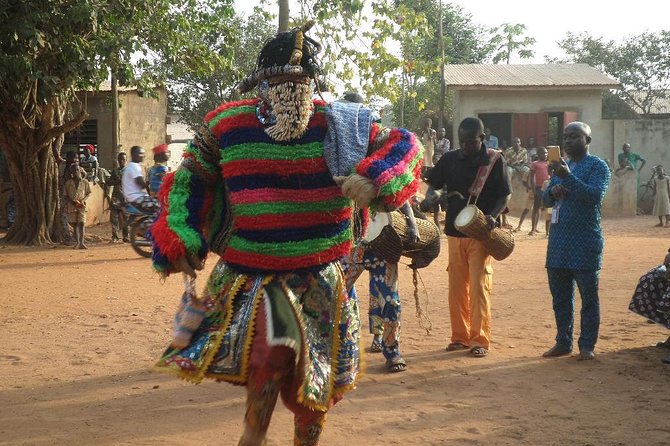
One of the tour’s promises is culture beyond sightseeing. You’re set to experience Gelede masked dance and the Zangbeto Ceremony.
These kinds of events matter because they’re not about monuments. They’re about how people explain society, honor, and community through performance. If you like understanding culture as a living system, you’ll likely find these moments some of the most memorable.
Because the exact timing isn’t spelled out in the stops list you provided, I’d treat these as “watch for it during the trip,” not as something you should plan around like a fixed museum appointment.
Price and what you actually get from $2,861.54 per person
At $2,861.54 per person for about 8 days, this isn’t a budget tour. The real question is value, and in this case the inclusions help justify the cost.
Here’s what the price framing supports based on the provided details:
- Accommodation and some meals are included, so you’re not paying for everything out of pocket.
- Many major sites list admissions as included, including Kakum National Park, Cape Coast Castle, Elmina Castle, Fort St Jago, Lac Togo, Great Mosque of Porto-Novo, Lac Nokoué, Temple des Pythons, and Ouidah Museum of History.
- It’s a private tour, meaning your group stays together instead of mixing with strangers, and you have a guide to interpret difficult places.
- You also have a mobile ticket and group discounts, which can slightly soften the overall spend.
Also, the tour is booked on average about 115 days in advance. That suggests people plan for it early, and early booking can help you lock in your dates before spots fill.
What could make it feel expensive: the trip covers three countries, and you’ll likely spend time in places where discretion and respectful behavior matter. You’re paying for trained guidance and time, not just transportation and entry tickets.
Who this trip fits best, and who should consider alternatives
This tour suits you if you want:
- guided interpretation for major history sites like Cape Coast and Elmina
- a mix of markets, crafts, and religious or sacred spaces
- water-focused days (Lac Togo and Lac Nokoué) that break up land travel
- a private format, where you can ask questions and pace your emotions around heavy content
It may not fit as well if:
- you dislike walking and boats, even at a moderate level
- you don’t want heavy themes like slavery presented through castles and museums
- you prefer lots of free time instead of a structured flow of stops
If it’s your first time traveling in the region, the private guide setup is a big comfort. One of the consistent strengths mentioned in customer feedback is the care and reliability of the team, including a well-regarded driver-guide named Patrick.
The booking call: should you choose this tour
I’d say book it if you want a guided, three-country story of Ghana, Togo, and Benin, not just a pile of attractions. The canopy walkway plus castles plus voodoo and sacred sites is a rare combination, and the private guide angle helps a lot in places that need context.
Skip or reconsider if your idea of a good trip is light, slow, and mostly outdoors with minimal cultural or historical pressure. This one asks you to engage, and it’s rewarding when you’re ready for that.
If you decide to go, use the smart-casual dress code as your default. Pack for sun and walking, and bring patience for busy markets and sacred spaces where photography rules can vary by location.
FAQ
How long is the tour?
The tour lasts about 8 days.
Where does the tour start and end?
It starts in Accra, Ghana, and ends back at the meeting point.
What time does the tour start?
The start time is 8:00 am.
Is this a private tour?
Yes, it is a private tour/activity, and only your group participates.
Is accommodation and food included?
Accommodation and some meals are included.
Are admission tickets included?
Many admissions are included, including Kakum National Park, Cape Coast Castle, Elmina Castle, Fort St Jago, and several other listed sites. Admission to Akodessewa Fetish Market is not included.
What cultural performances are included?
The tour includes Gelede masked dance and the Zangbeto Ceremony.
What physical fitness level do I need?
The tour calls for a moderate physical fitness level.
What is the dress code?
The dress code is smart casual.
Is free cancellation available?
Yes. Free cancellation is available if you cancel up to 24 hours in advance for a full refund.
Newly reviewed around Accra
- Private Slave Castles and Dungeons Tour in Cape Coast, Ghana★ 5.0 · 3 reviews
- Day Tour to Kakum National Park, Cape Coast and Elmina Castles★ 5.0 · 3 reviews
- Half-Day Guided Fabric Tour in Ghana★ 5.0 · 3 reviews
- Cultural Tour Of Ghana And South Africa 12 Days★ 5.0 · 3 reviews
- Cape Coast Day Tour★ 5.0 · 3 reviews
- Experience the Culture of Ashanti Kingdom in 5days★ 5.0 · 3 reviews
- Full Day Accra Guided Tour★ 5.0 · 3 reviews
- Experience Aburi Botanical Gardens And Boti Water Falls In A Day.★ 5.0 · 3 reviews
Accra Tours, compared.

Experience the Beauty, History and the Culture Of Accra in a Day
Read our review →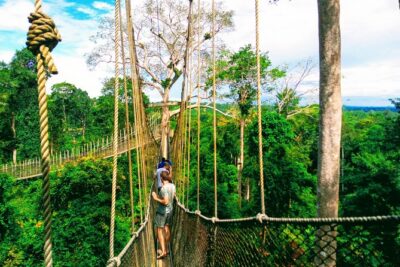

Cape Coast, Elmina Castle & Kakum Park Day Tour
Read our review →
Browse the lists this tour appears in