
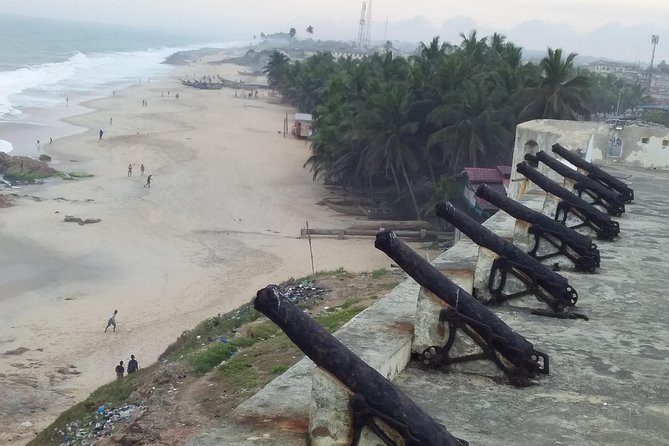
Reviewed · ACCRA TOURS
A 9 Days Experience Of The Motherland
This nine-day Ghana experience is interesting because you get a full sweep, from first-day Accra street scenes to royal Kumasi culture, then out to wildlife and waterfalls, and finally to the emotional weight of Cape Coast and Elmina. It is built around hands-on stops, not just photo stops, including a traditional naming ceremony and active craft time for kente and adinkra.
I especially like how the day structure keeps momentum without feeling random. Two standouts for me are the chance to learn cloth traditions in Kumasi, and the mix of nature and movement with the Kakum canopy walk plus the Boabeng-Fiema Monkey Sanctuary.
One consideration: the schedule is packed and some days are long, with early starts and big drives between regions. If you prefer slow travel and lots of downtime, you will feel the pace more than most.
Key highlights worth your attention

- Accra cultural welcome with a live performance by the Kpalungo Cultural Troupe
- Makola Market and James Town with a look at everyday life plus the lighthouse and fishing harbour
- Kumasi crafts you can touch: kente village learning, plus making your own Adinkra cloth
- Nature stops with real views: Kakum and Kintampo canopy walk experiences
- A serious historical arc at Assin Manso, Cape Coast Castle, and Elmina Castle
- Festival energy and beach reset: Winneba Maskarade plus Labadi Pleasure Beach time
Accra Arrival With a Cultural Welcome That Sets the tone
Your tour starts in Accra with pickup from the airport, then a transfer to your hotel. That matters because Ghana first-time logistics can be a bit much, and having someone handle the “get you settled” part lets you start focused.
On day one, you get a traditional cultural performance by the Kpalungo Cultural Troupe. This is not a random add-on. A live performance early in the trip helps you tune in to rhythm, storytelling, and community style, which makes the later cultural stops in Kumasi and beyond feel connected instead of scattered.
The practical detail I like: this day is light on travel time. It is the kind of start that helps you avoid the jet lag spiral. Bring a light layer for the evening, and plan to arrive with energy for listening, not just watching.
More trips leaving Accra:
- The Cape Coast Day Tour
★ 5.0 · 525 reviews - Experience the Beauty, History and the Culture Of Accra in a Day
★ 5.0 · 323 reviews - The Cape Coast Tour
★ 5.0 · 177 reviews
Du Bois, Nkrumah, and Makola Market: Accra Fast, But Not Shallow
Day two is the Accra “get your bearings” day, and it hits three different kinds of Ghana in one loop: modern national identity, political legacy, and everyday city life.
You’ll start at the W.E.B. DuBois Center, visiting the former residence and library of W.E.B. DuBois, a writer and Pan African Congress leader. This is a good anchor for understanding why Ghana feels like a hub for ideas, not just a place to visit.
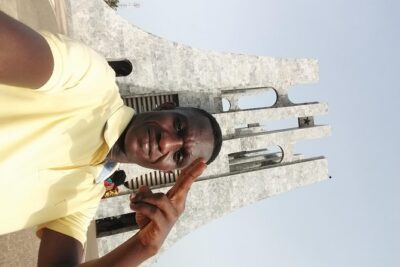
Next up is Kwame Nkrumah Memorial Park, where you’ll visit the mausoleum of Ghana’s first president. Together with Du Bois, these stops give you context for Ghana’s independence story and its role in Pan African thinking.
Then you shift from institutions to street life at Makola Market, one of West Africa’s busiest open-air markets. This is the kind of stop where you learn quickly. Keep cash small-denomination if you can. Expect lots of activity. If you want photos, ask first and be patient while you frame shots.
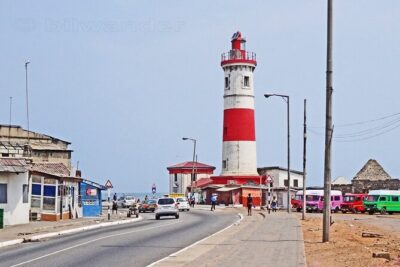
After that, you’ll head to James Town Lighthouse, which connects the British settlement history area with the Usher Fort and the nearby fishing harbour and community. It is a strong contrast day: old defenses and maritime life right next to the present day hustle.
You finish at the Center for National Culture, described as Ghana’s biggest arts market. This can be a smart place to browse Ghanaian crafts in one concentrated area, especially if you want souvenirs that still look like work you can explain.
If you want the best experience here, go in with a plan for what you will buy later, and what you will just look at now. Markets like this can turn into “oops, I bought ten things” quickly.
Kumasi Royal Power: Manhyia Palace Museum and Prempeh II
Kumasi is where Ghana’s cultural depth turns from learning to feeling. Day three keeps it focused on Ashanti leadership history through museum time.
At Manhyia Palace Museum, you visit the residence and museum of the Ashanti king. It helps to think of this stop as more than objects behind glass. You’re stepping into a living tradition where clothing, authority, and ceremony are part of the story.
Then you’ll visit the Prempeh II Jubilee Museum at the Kumasi Cultural Centre to learn about Nana Agyeman Prempeh. Spending time in these spaces gives you a clearer read on why later craft work in Kumasi is not random. It has meaning tied to status, identity, and community roles.
A drawback to consider here is that museum pacing can vary depending on your group energy. If your group likes to ask lots of questions, you’ll love it. If you get tired easily in indoor spaces, you might want to slow down between stops and take a breather outside when possible.
Kente Weaving, Adinkra Cloth, Cocoa, Healers Shrine, and Your Naming Day
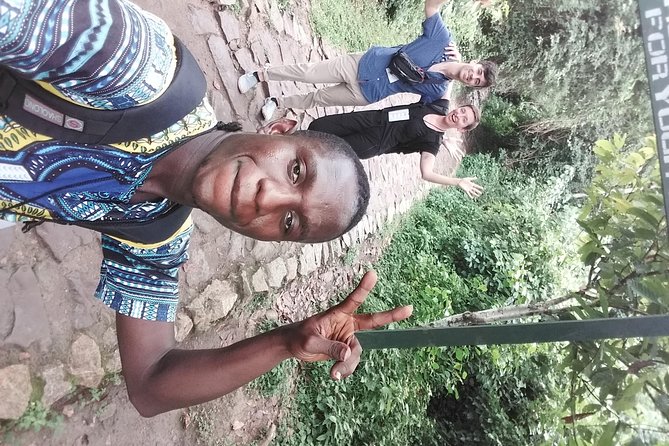
Day four is one of the most memorable parts of this trip because it mixes culture learning with active participation. You start with a visit to the kente weaving village of Adansomaso to learn the history of kente, the cloth that Ghana is known for worldwide.
You also visit a local cocoa farm and a local healers shrine. That combination matters because it connects textiles to the land and to local belief systems. You start seeing Ghana as a whole system, not separate “attractions” on a map.
Then comes the part many people remember for years: the traditional local naming ceremony, where you’ll be given a local name. This is not just a fun souvenir moment. It’s a cultural exchange moment where you’ll likely be included in a way that feels personal, and it helps you experience Ghanaian identity beyond the usual tourist scripts.
In the afternoon, you move to Ntonso Adinkra Craftsmen, learning the process and history of Adinkra cloth. The best part here is the chance to try making your own Adinkra cloth. If you’ve ever wondered what makes patterns feel meaningful, this kind of hands-on time clears it up fast.
The practical note: crafts days can mean you will get messy a little, and you’ll want comfortable clothes. Bring something you can stain, and consider keeping a small plastic bag for your belongings.
A slower Accra day, if you have one spare:
- From Accra: Cape Coast, Elmina Castle & Kakum Park Day Tour
★ 4.6 · 144 reviews - Accra Detailed City Tour
★ 4.5 · 118 reviews - Accra Guided City Tour Experience
★ 4.7 · 88 reviews - Accra Guided City Tour Experience
★ 5.0 · 76 reviews
Boabeng-Fiema Monkeys and Kintampo Falls Canopy Walk
Day five gives you two nature moments that feel different from each other, which is smart on a nine-day schedule.
First is Boabeng Fiema Monkey Sanctuary, visiting the traditional village and the sanctuary to see Mona and black and white colobus monkeys. You’ll also make a courtesy call on the monkey priest of the village. That detail is what elevates it above a basic animal encounter, because it connects the animals to community tradition and rules.
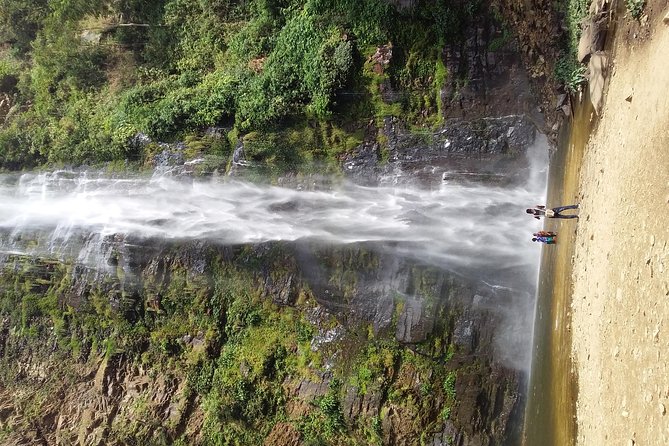
Then you head to Kintampo Falls, where you can enjoy the falls and the newly constructed Kintampo Falls canopy walk way. This is one of those stops where your effort pays back. The canopy walk typically gives you a different perspective from the ground, and it adds that “I’m moving through the environment” feeling.
If you want to enjoy both parts without stress, wear shoes with grip. Rainy conditions can make ground surfaces slippery. Also, keep expectations realistic: monkeys are wild. You might see them close up, but you should still give them space.
Assin Manso Slave River Park: A Hard Stop Done Right
Day six is the emotional pivot of the trip. You’ll visit Assin Manso Ancestral Slave River Park, focusing on the river where captive slaves were taken to have their last bath on the way to slave castles in Cape Coast and Elmina during the Trans Atlantic Slave Trade.
A stop like this needs time to land. The schedule sets aside about six hours here, which usually means you will have enough room to read, reflect, and absorb without rushing. I appreciate that, because skipping too fast can turn a serious memorial into a checklist.
This is also the day where you should bring your own coping tools. If you find heavy history overwhelming, set expectations before you arrive. Be respectful with your tone. Take photos only if you know it feels appropriate to you and the site.
The day can feel long because it is heavy. If you need a quiet moment afterward, plan for it mentally and physically. Drink water, use shade when you can, and don’t feel like you need to be “high energy” on departure.
Cape Coast Castle, Kakum Canopy Walk, and Elmina Castle
Day seven is a strong combination day, with two UNESCO World Heritage sites plus nature.
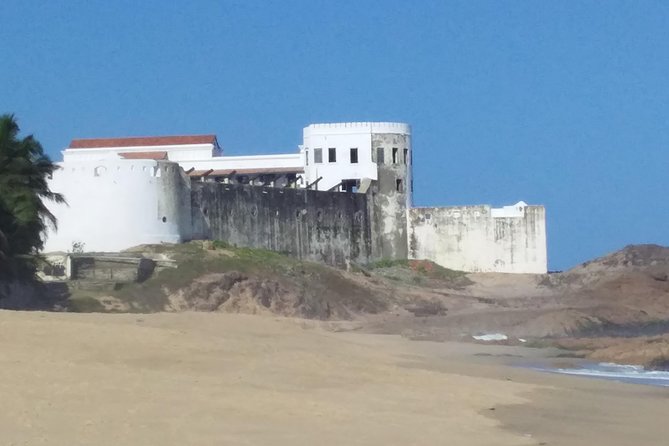
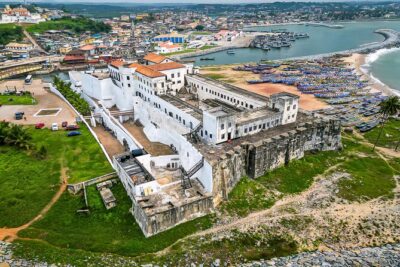
First is Cape Coast Castle, a UNESCO World Heritage site. This place is historically central to the slave trade story, and you’ll want to stay present while you move through it. The emotional impact is real, and it helps to let the guide’s explanations do their job rather than trying to power through.
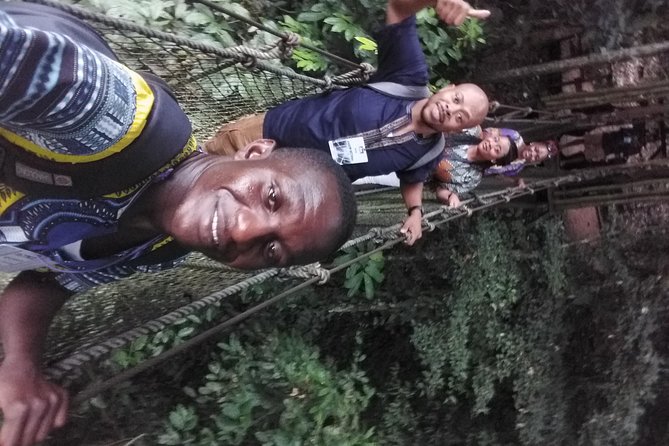
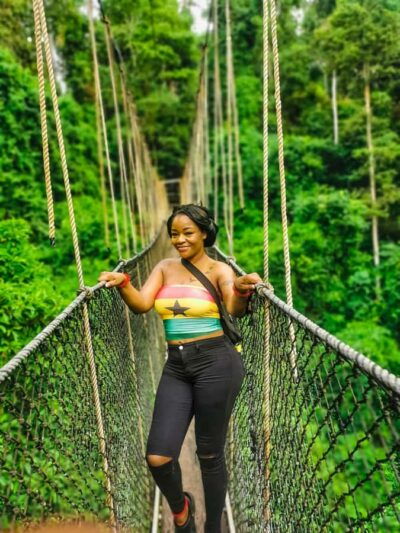
Next is Kakum National Park. You’ll see animals, trees, and bird species, and you’ll enjoy fun on the famous Kakum canopy walk way. This is not “replace the heavy day with something fun.” It’s more like your brain gets a breather with fresh air and movement, while you still stay in nature’s context.
Then you visit Elmina Castle, described as the first colonial buildings in sub-Saharan Africa and also a UNESCO World Heritage site. When you pair Cape Coast and Elmina back-to-back, you get a clearer picture of how the system worked across locations.
A potential drawback here is simple: emotional load plus travel time. If your group tends to get quieter after historical sites, that’s normal. If your group wants to talk and ask questions, that’s also normal. Either way, Kakum’s canopy walk offers a physical contrast that helps reset your senses before you keep going.
Winneba Maskarade and a Beachy Reset in Modern Accra
Day eight turns the volume up. You’ll visit Winneba for the Annual Maskarade Festival, celebrated by the people of Winneba. Festival days are where you feel the living side of culture, and masking traditions often carry deep meaning beyond the costumes themselves.
Because the festival is the focus, this is also a long day, with about six hours set aside. If you love ceremony, music, and crowd energy, you’ll be in your element. If you prefer quiet sightseeing, you might treat this as a day to soak in the atmosphere from a comfortable vantage point.
Then day nine gives you an easy swing back toward modern life and relaxation.
You’ll visit West Hills Mall for a feel of modern Accra life, which is a useful stop if you want indoor comfort, restrooms, and a sense of current city flow. After that, you head to Labadi Pleasure Beach to relax and enjoy the breeze, including the option for horse riding at the beach.
This is also the day you go back to the airport, leaving about two hours before check-in. That timing keeps your trip from turning into a travel scramble. It is especially helpful if you dislike last-minute airport stress.
Meals, water, and comfort: what you’re paying for beyond transport
The tour includes air-conditioned vehicle, a driver and tour guide, unlimited bottle water, and it covers breakfast and lunch for eight days. The highlights also describe dinner on eight days, so the plan is clearly meant to feed you through most of the trip.
That kind of meal coverage is a value win in Ghana. It reduces decision fatigue and protects you from the classic first-timer problem of not knowing what is convenient or safe in each moment.
What is not included is also important: drinks and items for personal use. Think sunscreen, snacks between meals, laundry, and any shopping you do at markets or craft villages.
The trip also offers pickup, and you’ll have a private format where only your group participates. That matters for families or groups who want conversation in your own pace rather than waiting for a larger bus rhythm.
Price and value: $1,948.72 per person and what makes it feel fair
At $1,948.72 per person for roughly nine days, you’re paying for structure, transport, and guided visits across multiple regions. The price can feel steep if you compare it to a DIY Ghana trip booked loosely. But the value is in the bundled logistics: airport pickup, air-conditioned transport, a driver and tour guide, water, and a long string of included admissions and experiences.
Also, this is booked on average about 13 days in advance, which suggests it is a popular windowed itinerary. If you are booking within a tight timeline, expect costs and availability to vary, so plan early when you can.
When the itinerary includes museum entries, castle visits, craft experiences, and multiple guided stops, the money starts to make sense as time bought back. Instead of negotiating routes and ticket timing yourself, you show up and go.
If you are traveling as a group, your individual value often improves because fixed costs get shared, especially with private travel.
Who should book this Ghana experience, and who should watch the pace
This is a great fit if you want your trip to cover a lot of Ghana ground while still feeling guided. It’s also ideal if you enjoy practical cultural learning, like kente and Adinkra process time, and if you want meaningful historical context at Cape Coast and Elmina.
It also suits people who like variety. You go from markets to palaces to wildlife to falls to festival energy to beach time. That mix keeps the trip from feeling like one repeating theme.
Who should think twice? If you strongly prefer slow days, frequent rest stops, and minimal driving, the schedule might feel intense. Some days are long, and early starts shape your whole rhythm.
Should you book A 9 Days Experience Of The Motherland?
I’d book it if you want a Ghana trip that balances culture, craft, nature, and history with a guide you can rely on. I especially like that the experience is not only about landmarks, it includes participation, like the naming ceremony and making Adinkra.
If your ideal trip is mostly “wander and spontaneous stops,” this may feel too planned. If your ideal trip is “show me the real Ghana, with someone handling the connections,” this one is a strong match.
FAQ
What time does the tour start?
The start time listed is 7:00 am.
Is airport pickup included?
Yes, you are picked up at the airport and transferred to your booked hotel at the start of the tour.
What kinds of meals are included?
The highlights say the tour includes breakfast, lunch, and dinner for eight days. The included section also specifies breakfast (8) and lunch (8).
What is included in the tour price?
The included items are an air-conditioned vehicle, all fees and taxes, unlimited bottle water, a driver and tour guide, breakfast (8), and lunch (8).
What should I budget for that is not included?
Not included are drinks, gratuity to the tour guide and driver, and items for personal use.
Can I get a full refund if I cancel?
Yes. You can cancel up to 24 hours in advance for a full refund. If you cancel less than 24 hours before the start time, the amount paid is not refunded.
Newly reviewed around Accra
- Private Slave Castles and Dungeons Tour in Cape Coast, Ghana★ 5.0 · 3 reviews
- Day Tour to Kakum National Park, Cape Coast and Elmina Castles★ 5.0 · 3 reviews
- Half-Day Guided Fabric Tour in Ghana★ 5.0 · 3 reviews
- Cultural Tour Of Ghana And South Africa 12 Days★ 5.0 · 3 reviews
- Cape Coast Day Tour★ 5.0 · 3 reviews
- Experience Aburi Botanical Gardens And Boti Water Falls In A Day.★ 5.0 · 3 reviews
- Experience the Culture of Ashanti Kingdom in 5days★ 5.0 · 3 reviews
- Full Day Accra Guided Tour★ 5.0 · 3 reviews
Accra Tours, compared.
Experience the Beauty, History and the Culture Of Accra in a Day
Read our review →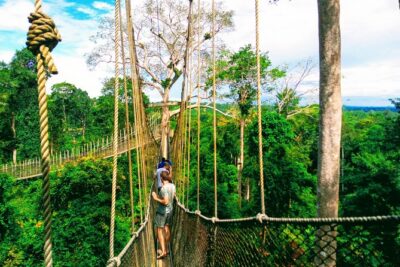
Cape Coast, Elmina Castle & Kakum Park Day Tour
Read our review →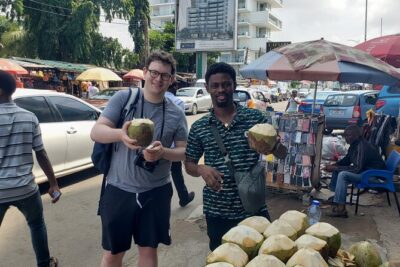
Browse the lists this tour appears in